
About This Book
The author argues that prohibition is primarily a political and legal danger because it advances a coercive principle allowing moral majorities to impose religious and moral standards through civil law. The pamphlet explains how such enforcement can capture and overturn established jurisprudence, expand sumptuary and Sunday legislation, enable censorship, and produce collective tyranny in government. It surveys political activity at the national level, examines economic and industrial factors, cites contemporary legal and economic opinion, and outlines practical effects anticipated from national prohibition. The writer warns that these developments risk replacing individual liberty with enforced conformity and urges vigilance in defense of constitutional rights.
About the Author

You May Also Like
 Life and public services of Martin R. Delany / Sub-Assistant Commissioner Bureau Relief of Refugees, Freedmen, and of Abandoned Lands, and late Major 104th U.S. Colored Troops
by Frank A. Rollin
Life and public services of Martin R. Delany / Sub-Assistant Commissioner Bureau Relief of Refugees, Freedmen, and of Abandoned Lands, and late Major 104th U.S. Colored Troops
by Frank A. Rollin
 American Leaders and Heroes: A preliminary text-book in United States History
by Wilbur F. Gordy
American Leaders and Heroes: A preliminary text-book in United States History
by Wilbur F. Gordy
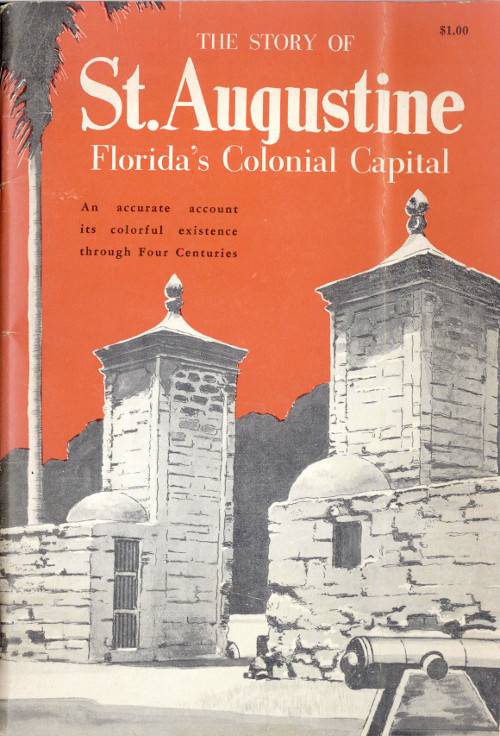 St. Augustine, Florida's Colonial Capital
by J. T. Van Campen
St. Augustine, Florida's Colonial Capital
by J. T. Van Campen
 The Camp-life of the Third Regiment
by Robert Thomas Kerlin
The Camp-life of the Third Regiment
by Robert Thomas Kerlin
 The Story of Cole Younger, by Himself
by Cole Younger
The Story of Cole Younger, by Himself
by Cole Younger
 The Rural Life Problem of the United States / Notes of an Irish Observer
by Sir Horace Curzon Plunkett
The Rural Life Problem of the United States / Notes of an Irish Observer
by Sir Horace Curzon Plunkett