

About This Book
A sequence of personal journal entries blends day-to-day notes, work on essays and dramas, visits and correspondence, and sustained reflections on faith, morality, and social change. The author debates nonresistance and conscientious refusal of state violence, considers the purpose and accessibility of art, and criticizes social injustices while attending to domestic details and illness. Entries move between practical reportage—plans, drafts, meetings—and philosophical meditation on human welfare, ethical duty, and the tensions between individual conscience and collective political action.
About the Author

More Books by This Author
6 picks
 "Bethink Yourselves!"
by graf Leo Tolstoy
"Bethink Yourselves!"
by graf Leo Tolstoy
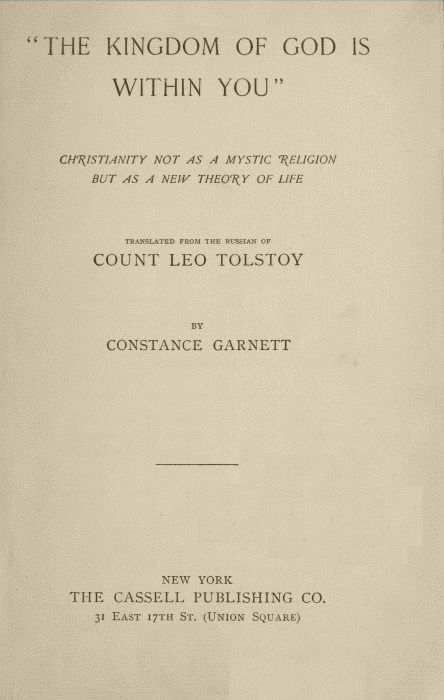 "The Kingdom of God Is Within You" / Christianity Not as a Mystic Religion but as a New Theory of Life
by graf Leo Tolstoy
"The Kingdom of God Is Within You" / Christianity Not as a Mystic Religion but as a New Theory of Life
by graf Leo Tolstoy
 A Letter to a Hindu
by graf Leo Tolstoy
A Letter to a Hindu
by graf Leo Tolstoy
 A Russian Proprietor, and Other Stories
by graf Leo Tolstoy
A Russian Proprietor, and Other Stories
by graf Leo Tolstoy
 Anna Karenina
by graf Leo Tolstoy
Anna Karenina
by graf Leo Tolstoy
 Anna Karénine, Tome I
by graf Leo Tolstoy
Anna Karénine, Tome I
by graf Leo Tolstoy
You May Also Like
6 picks
 Sorrettuja ja solvaistuja: Romaani
by Fyodor Dostoyevsky
Sorrettuja ja solvaistuja: Romaani
by Fyodor Dostoyevsky
 Some Jewish Witnesses For Christ
by Aaron Bernstein
Some Jewish Witnesses For Christ
by Aaron Bernstein
 De republiek van Plato
by Plato
De republiek van Plato
by Plato
 Above the Battle
by Romain Rolland
Above the Battle
by Romain Rolland
 The Interesting Narrative of the Life of Olaudah Equiano, Or Gustavus Vassa, The African / Written By Himself
by Olaudah Equiano
The Interesting Narrative of the Life of Olaudah Equiano, Or Gustavus Vassa, The African / Written By Himself
by Olaudah Equiano
 Mietteitä kasvatuksesta
by Lorenz Kellner
Mietteitä kasvatuksesta
by Lorenz Kellner