
The Golden Bowl — Volume 2
A wealthy young woman discovers and wrestles with a secret intimacy between the two men closest to her—her husband and her father—and undergoes a slow moral scrutiny of love, duty, and identity. The narrative dwells on subtle psychological shifts and domestic ritual as she learns, conceals, and reconfigures attachments to preserve social and familial harmony. The narrative examines self-deception, the restraints of propriety, and the imaginative work by which a person sustains outward felicity while living with painful knowledge. The ending pivots on a deliberate, ambiguous decision about forgiveness and the costs of preserving appearances.
About This Book
A wealthy young woman discovers and wrestles with a secret intimacy between the two men closest to her—her husband and her father—and undergoes a slow moral scrutiny of love, duty, and identity. The narrative dwells on subtle psychological shifts and domestic ritual as she learns, conceals, and reconfigures attachments to preserve social and familial harmony. The narrative examines self-deception, the restraints of propriety, and the imaginative work by which a person sustains outward felicity while living with painful knowledge. The ending pivots on a deliberate, ambiguous decision about forgiveness and the costs of preserving appearances.
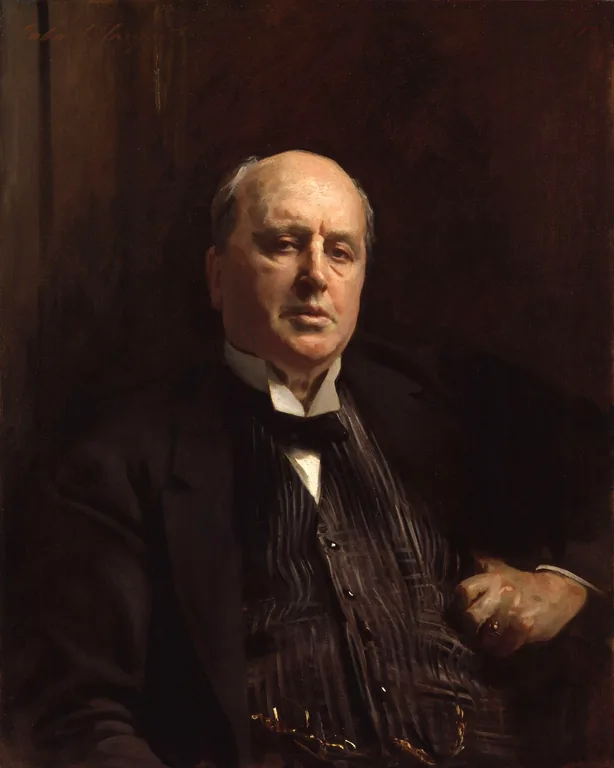
About the Author