
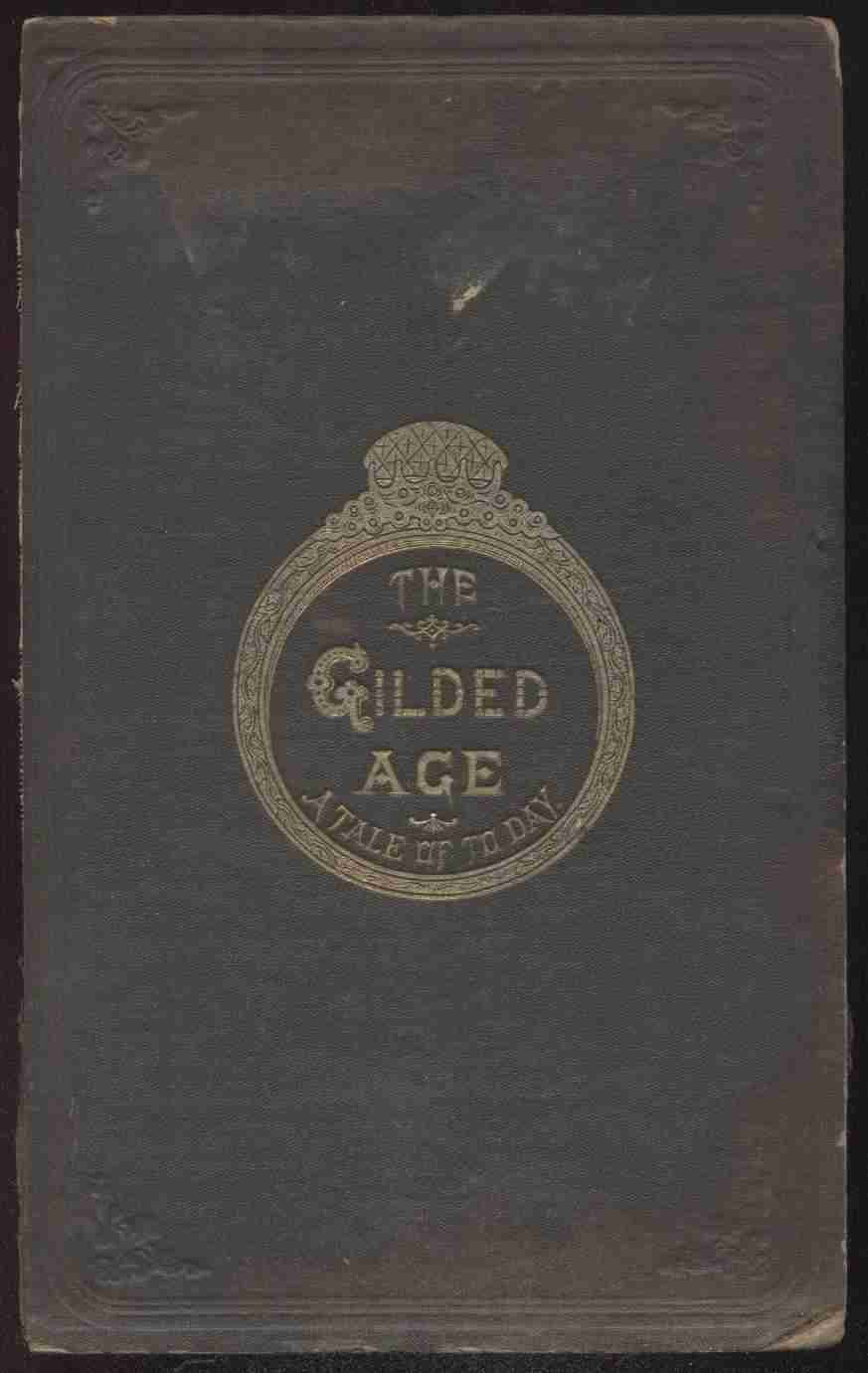
The Gilded Age, Part 3.
The narrative traces a cluster of ambitious townspeople whose romances, alliances, and reputations become entwined with land speculation and political patronage. A wealthy, socially adept speculator leverages banking ties and Washington connections to promote a railroad project and pursue an appropriation while a younger engineer struggles with professional duties and temptation. A Quaker woman discovers intellectual freedom and social pleasures at a cultivated household and forms a close friendship with its spirited daughter. Scenes move between seminary life, village entertainments, legislative committees, and boom-and-bust real estate ventures, offering a satirical view of social pretension, corruption, and the hunger for quick profit.
About This Book
The narrative traces a cluster of ambitious townspeople whose romances, alliances, and reputations become entwined with land speculation and political patronage. A wealthy, socially adept speculator leverages banking ties and Washington connections to promote a railroad project and pursue an appropriation while a younger engineer struggles with professional duties and temptation. A Quaker woman discovers intellectual freedom and social pleasures at a cultivated household and forms a close friendship with its spirited daughter. Scenes move between seminary life, village entertainments, legislative committees, and boom-and-bust real estate ventures, offering a satirical view of social pretension, corruption, and the hunger for quick profit.
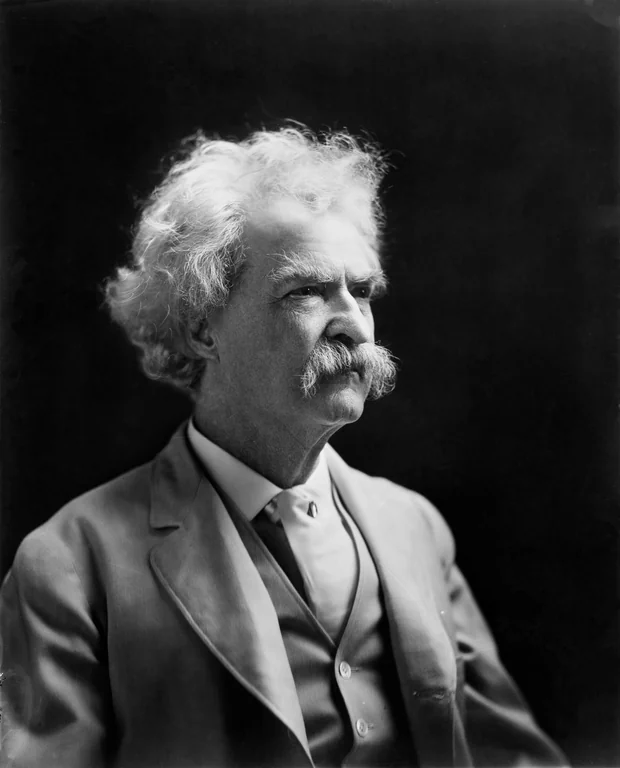
About the Author
More Books by This Author
 1601: Conversation as it was by the Social Fireside in the Time of the Tudors
by Mark Twain
1601: Conversation as it was by the Social Fireside in the Time of the Tudors
by Mark Twain
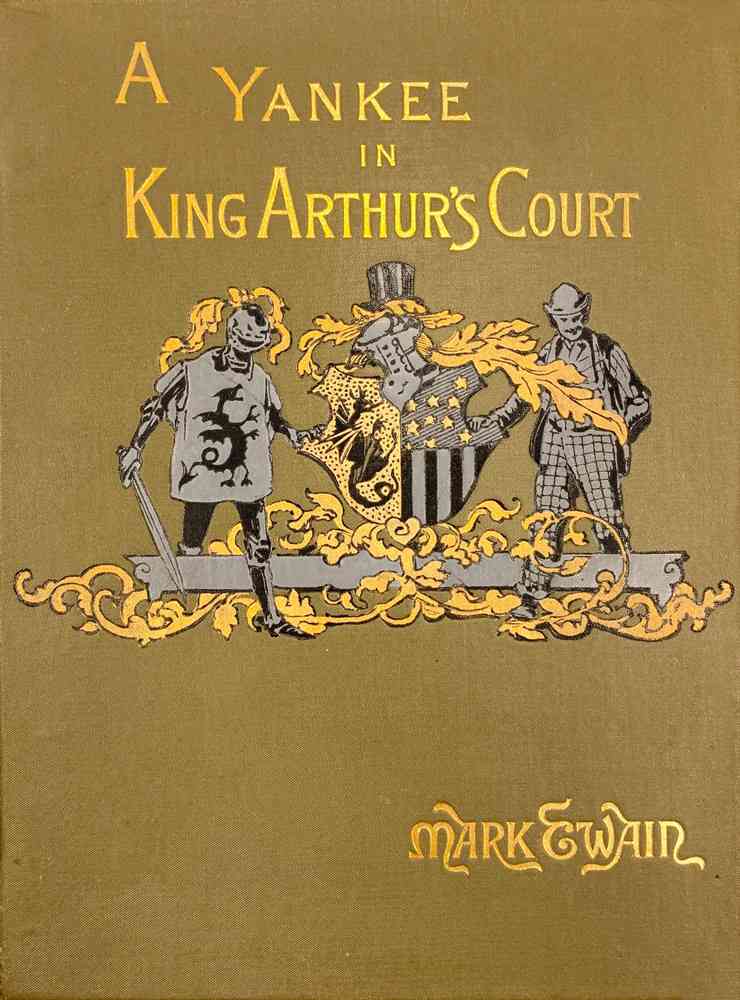 A Connecticut Yankee in King Arthur's Court
by Mark Twain
A Connecticut Yankee in King Arthur's Court
by Mark Twain
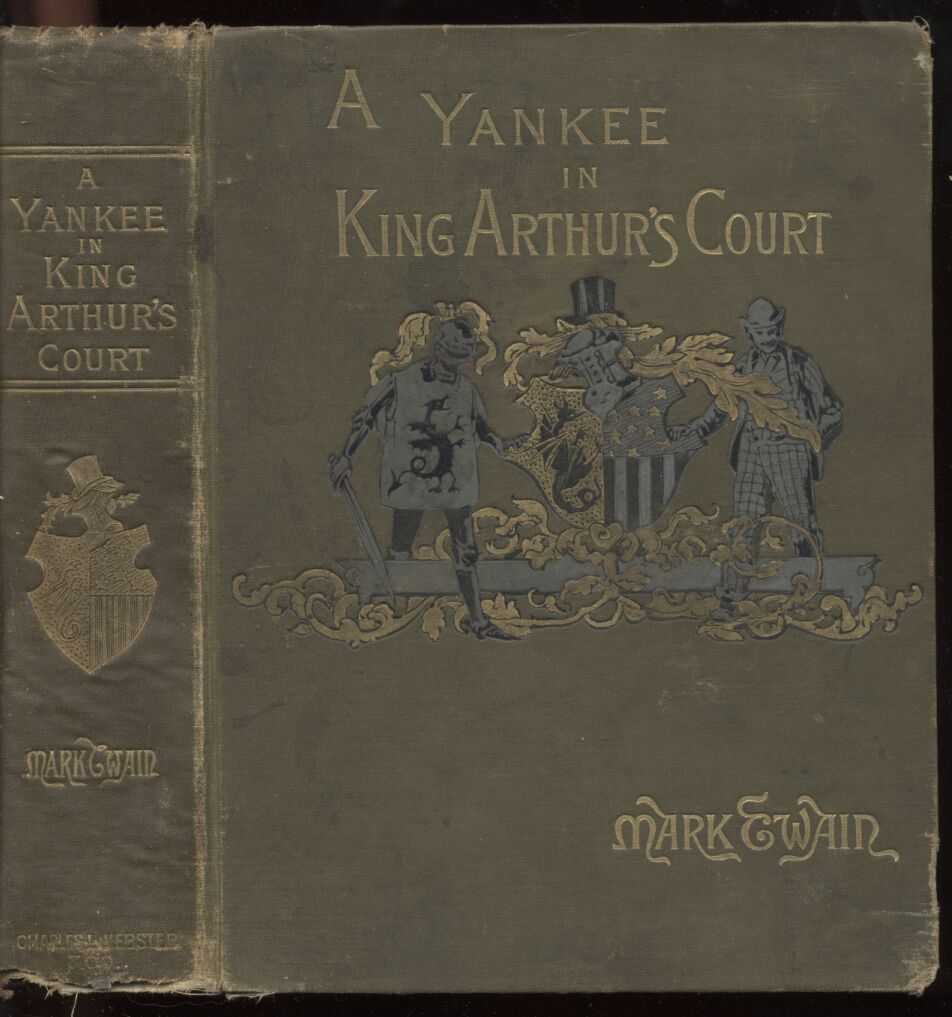 A Connecticut Yankee in King Arthur's Court, Part 1.
by Mark Twain
A Connecticut Yankee in King Arthur's Court, Part 1.
by Mark Twain
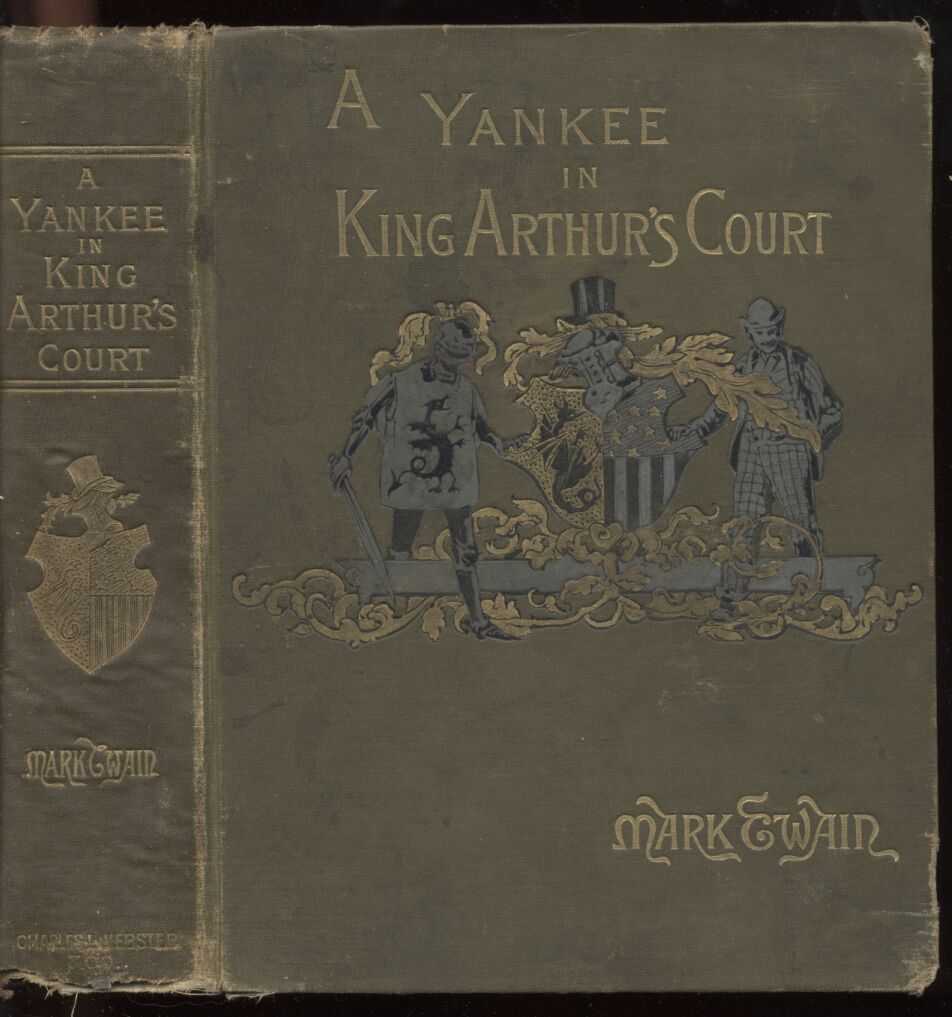 A Connecticut Yankee in King Arthur's Court, Part 2.
by Mark Twain
A Connecticut Yankee in King Arthur's Court, Part 2.
by Mark Twain
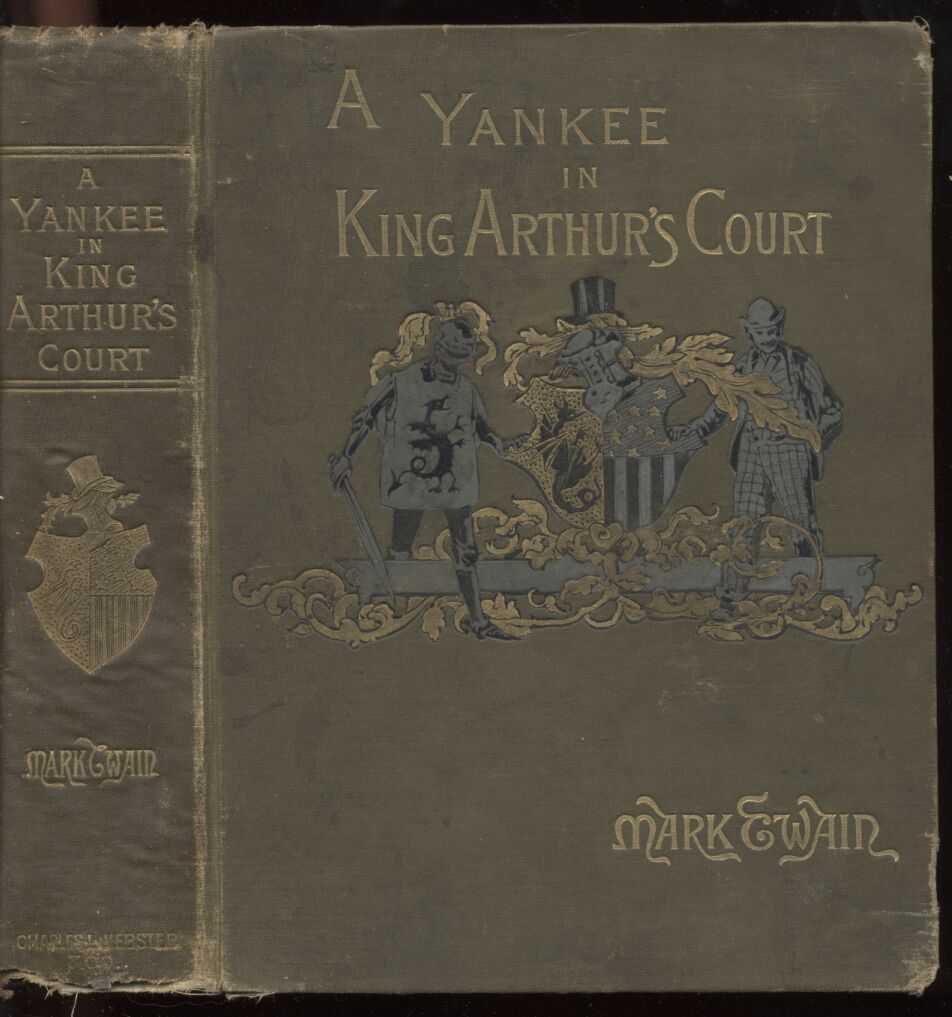 A Connecticut Yankee in King Arthur's Court, Part 3.
by Mark Twain
A Connecticut Yankee in King Arthur's Court, Part 3.
by Mark Twain
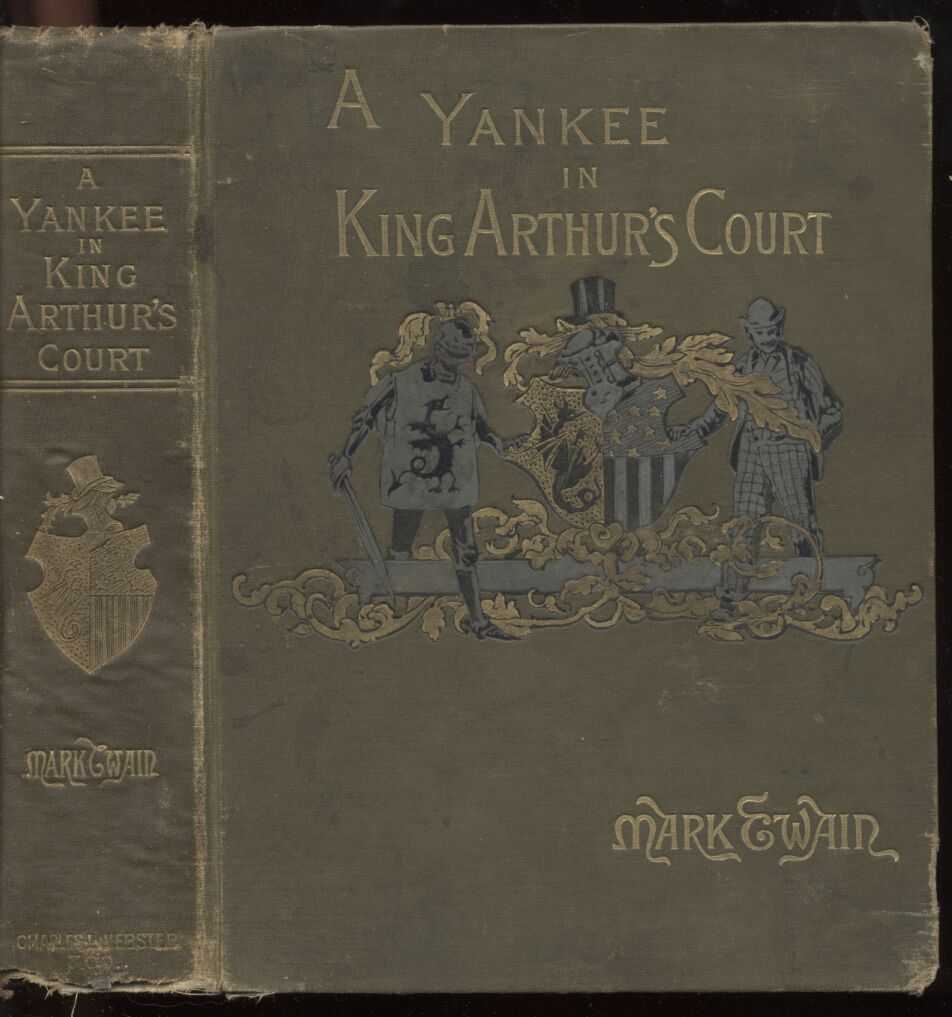 A Connecticut Yankee in King Arthur's Court, Part 4.
by Mark Twain
A Connecticut Yankee in King Arthur's Court, Part 4.
by Mark Twain