
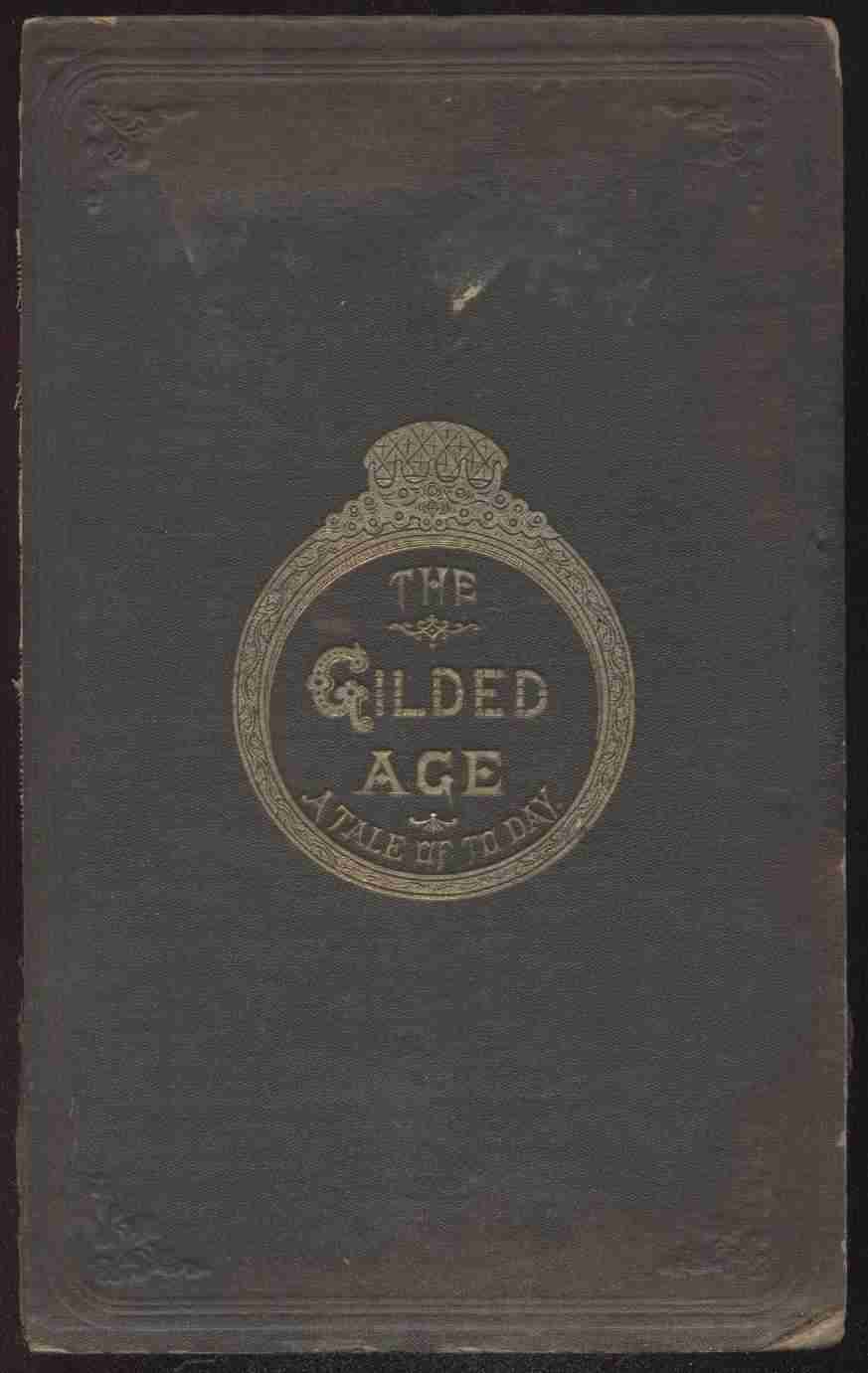
The Gilded Age, Part 1.
The narrative follows a provincial American community and several interlinked families as they negotiate land, reputation, and sudden opportunities amid rampant speculation and civic ambition. Through episodes of domestic life, legal entanglements, and public schemes—including a dramatic steamboat incident and flamboyant get-rich plans—the authors satirize greed, political influence, and social pretension. Orphaned children and fallible local leaders provide human interest while exposing a hunger for quick fortunes. The work alternates comic anecdote with pointed social critique, showing how rumor, optimism, and unscrupulous enterprise reshape lives and local institutions.
About This Book
The narrative follows a provincial American community and several interlinked families as they negotiate land, reputation, and sudden opportunities amid rampant speculation and civic ambition. Through episodes of domestic life, legal entanglements, and public schemes—including a dramatic steamboat incident and flamboyant get-rich plans—the authors satirize greed, political influence, and social pretension. Orphaned children and fallible local leaders provide human interest while exposing a hunger for quick fortunes. The work alternates comic anecdote with pointed social critique, showing how rumor, optimism, and unscrupulous enterprise reshape lives and local institutions.
About the Author
More Books by This Author
 1601: Conversation as it was by the Social Fireside in the Time of the Tudors
by Mark Twain
1601: Conversation as it was by the Social Fireside in the Time of the Tudors
by Mark Twain
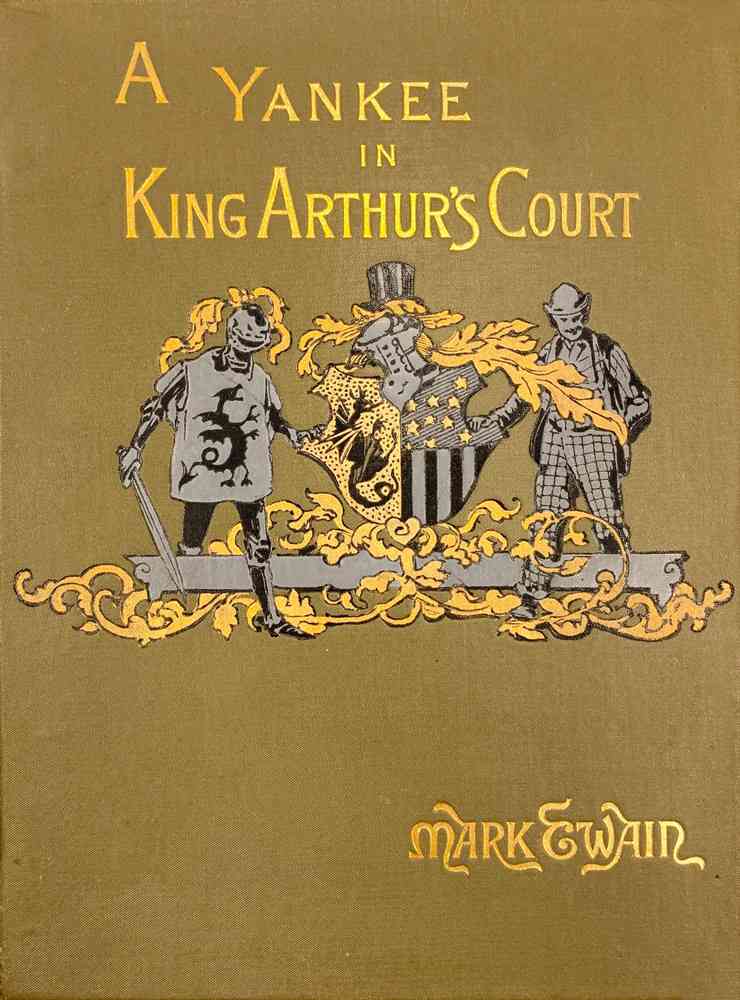 A Connecticut Yankee in King Arthur's Court
by Mark Twain
A Connecticut Yankee in King Arthur's Court
by Mark Twain
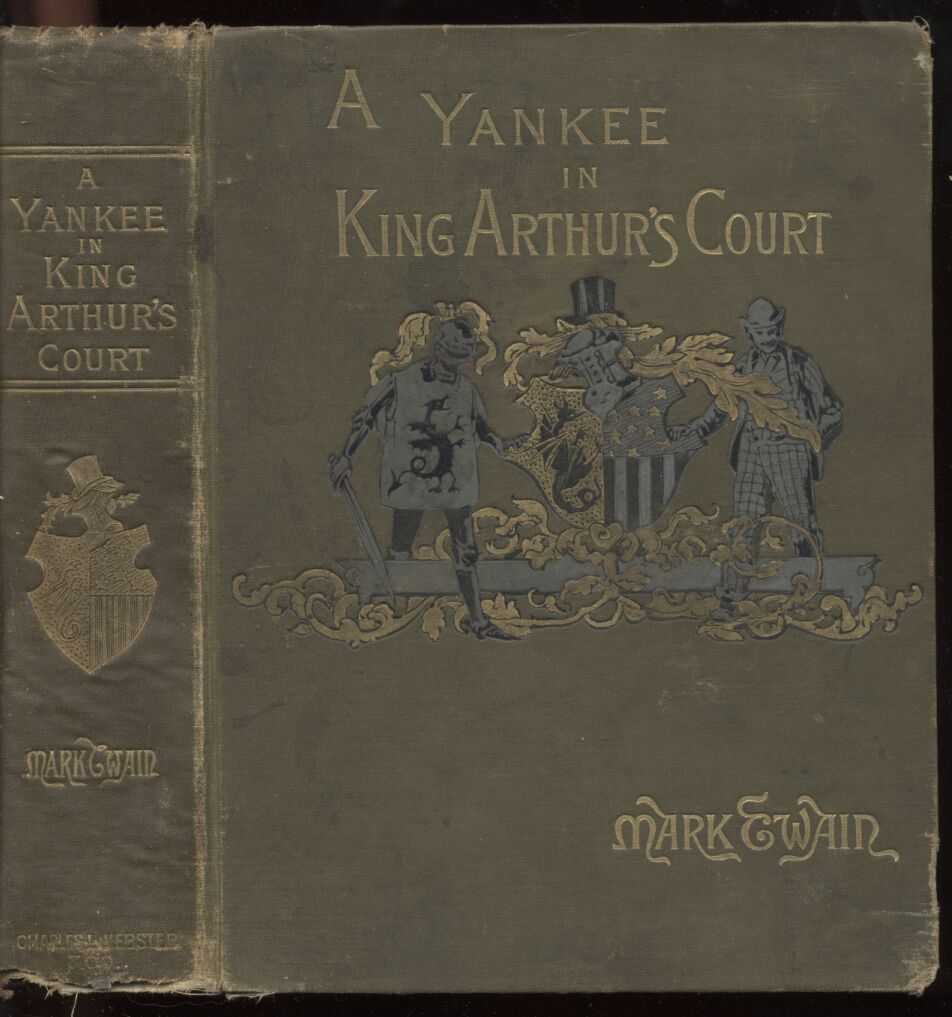 A Connecticut Yankee in King Arthur's Court, Part 1.
by Mark Twain
A Connecticut Yankee in King Arthur's Court, Part 1.
by Mark Twain
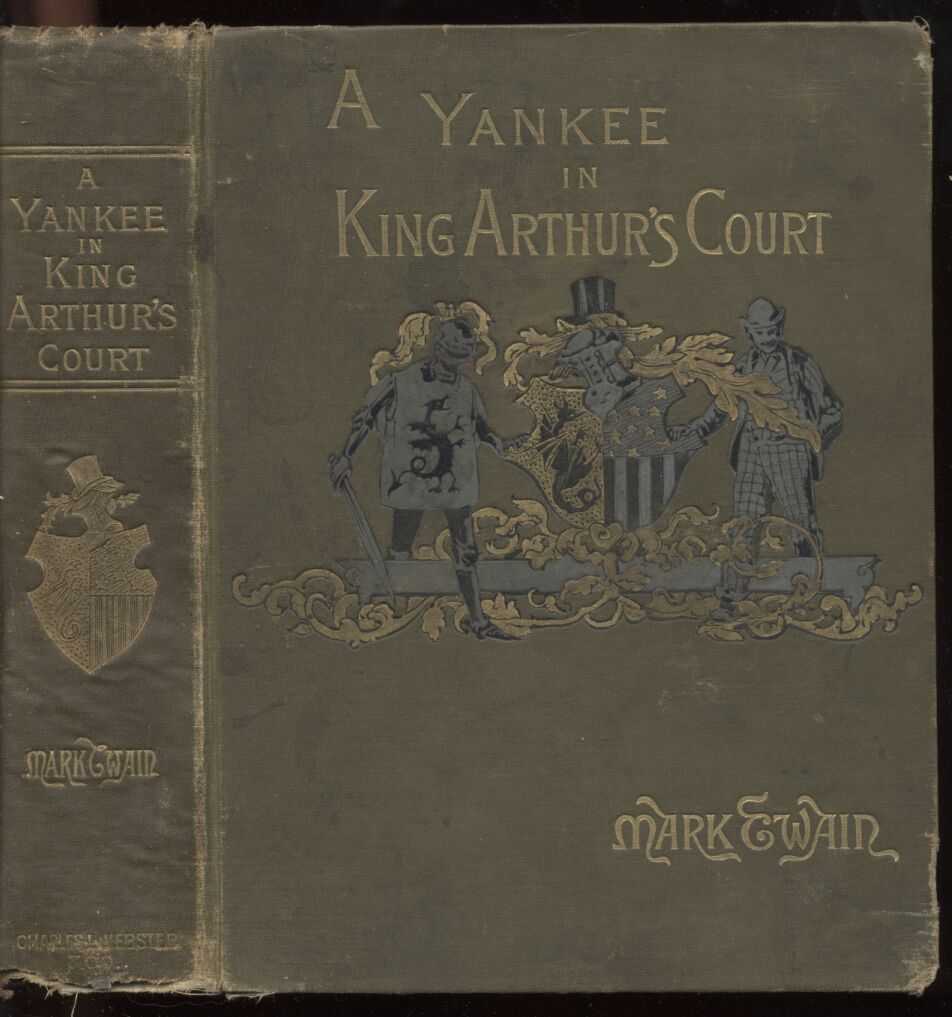 A Connecticut Yankee in King Arthur's Court, Part 2.
by Mark Twain
A Connecticut Yankee in King Arthur's Court, Part 2.
by Mark Twain
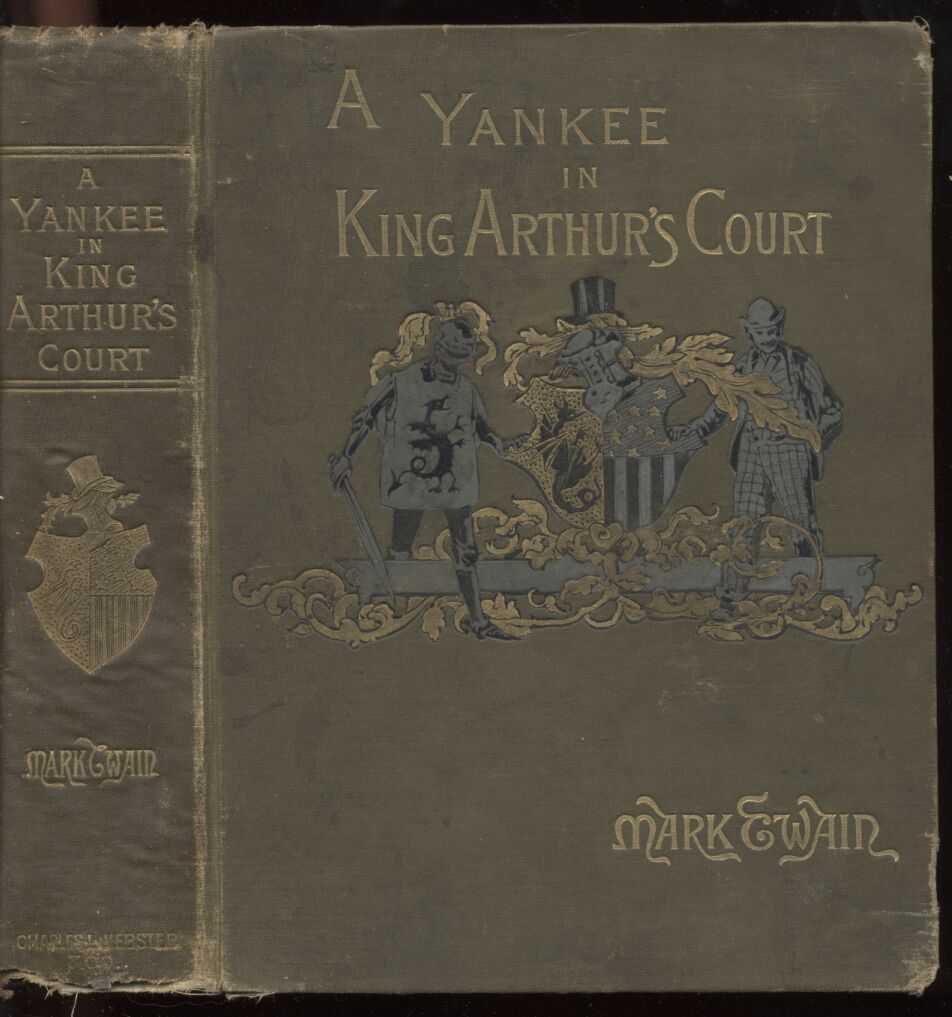 A Connecticut Yankee in King Arthur's Court, Part 3.
by Mark Twain
A Connecticut Yankee in King Arthur's Court, Part 3.
by Mark Twain
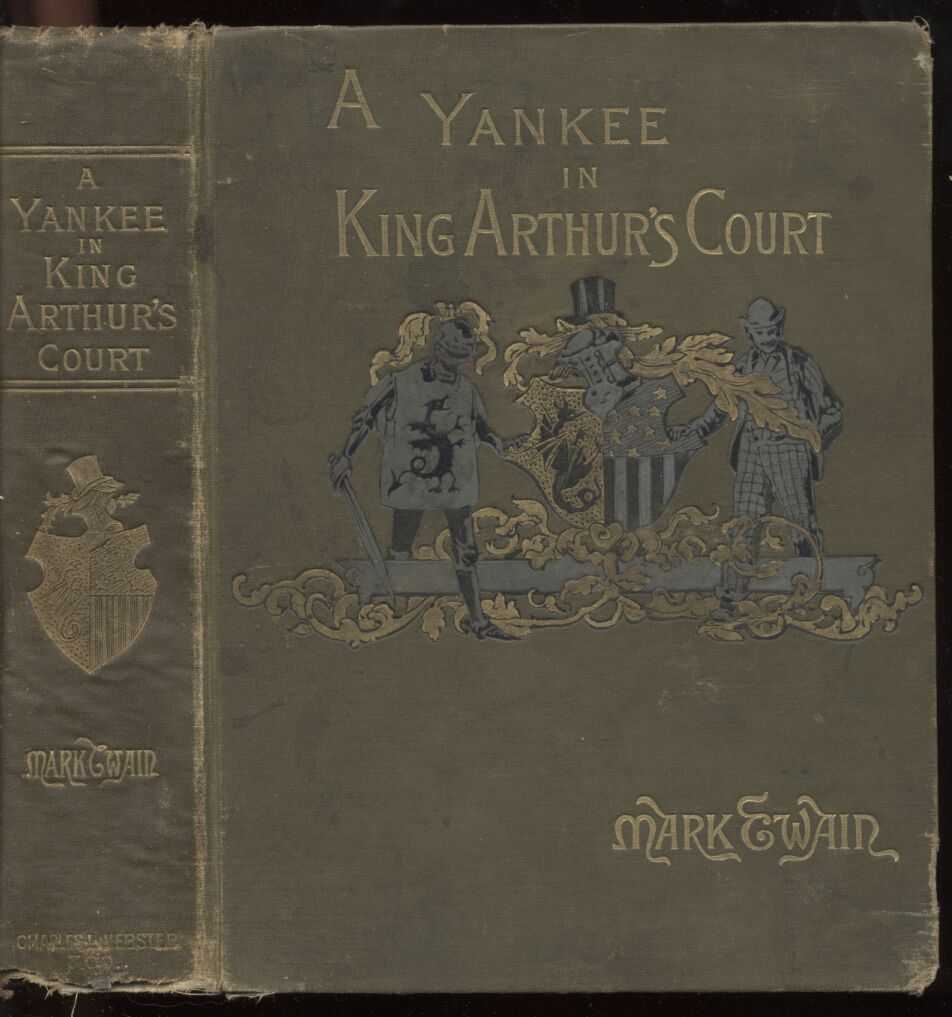 A Connecticut Yankee in King Arthur's Court, Part 4.
by Mark Twain
A Connecticut Yankee in King Arthur's Court, Part 4.
by Mark Twain
You May Also Like
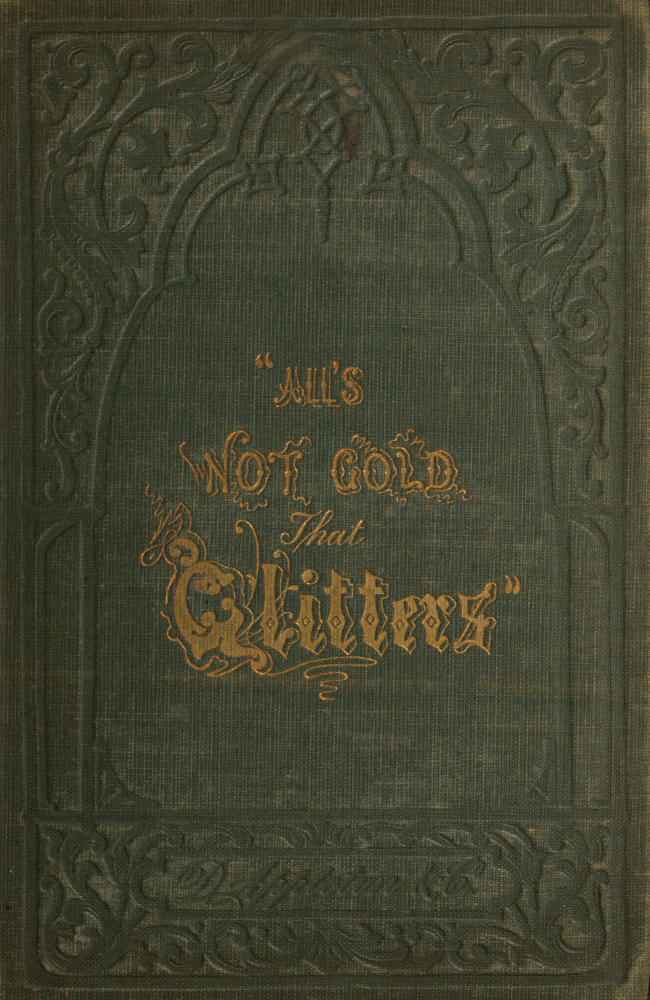 "All's not Gold that Glitters;" or, The Young Californian
by Alice B. Haven
"All's not Gold that Glitters;" or, The Young Californian
by Alice B. Haven
 "Bring Me His Ears"
by Clarence Edward Mulford
"Bring Me His Ears"
by Clarence Edward Mulford
 "Browne's Folly" / (From: "The Doliver Romance and Other Pieces: Tales and Sketches")
by Nathaniel Hawthorne
"Browne's Folly" / (From: "The Doliver Romance and Other Pieces: Tales and Sketches")
by Nathaniel Hawthorne
 "Forward, March": A Tale of the Spanish-American War
by Kirk Munroe
"Forward, March": A Tale of the Spanish-American War
by Kirk Munroe
 "Gentlemen prefer blondes"
by Anita Loos
"Gentlemen prefer blondes"
by Anita Loos
 "George Washington's" Last Duel / 1891
by Thomas Nelson Page
"George Washington's" Last Duel / 1891
by Thomas Nelson Page