
About This Book
The treatise examines what constitutes the human good and identifies happiness as the highest end of practical life, arguing that it is achieved through exercise of virtue. It distinguishes moral virtues, formed by habituation and guided by the doctrine of the mean, from intellectual virtues developed by instruction and deliberation. Topics include practical reasoning, justice, friendship, pleasure, and the role of law and political community in cultivating character. The final section argues that contemplative activity represents the most self-sufficient form of happiness while framing moral education as central to individual and civic flourishing.
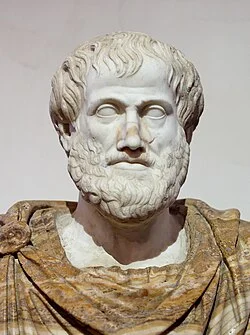
About the Author
More Books by This Author
6 picks

You May Also Like
6 picks
 Röda rummet: Skildringar ur artist- och författarlivet
by August Strindberg
Röda rummet: Skildringar ur artist- och författarlivet
by August Strindberg
 Il libro delle figurazioni ideali
by Gian Pietro Lucini
Il libro delle figurazioni ideali
by Gian Pietro Lucini
 Creating Capital / Money-making as an aim in business
by Frederick L. Lipman
Creating Capital / Money-making as an aim in business
by Frederick L. Lipman
 Leaves of Grass
by Walt Whitman
Leaves of Grass
by Walt Whitman
 The Song of Hiawatha: An Epic Poem
by Henry Wadsworth Longfellow
The Song of Hiawatha: An Epic Poem
by Henry Wadsworth Longfellow
 What Have the Greeks Done for Modern Civilisation?
by J. P. Mahaffy
What Have the Greeks Done for Modern Civilisation?
by J. P. Mahaffy