

The Divine Comedy, Volume 3, Paradise
A pilgrim ascends through the celestial spheres, guided by a beloved companion, encountering blessed souls and angelic orders arranged according to virtue and divine law; the cantos blend vivid visionary imagery with theological discussion and moral exempla, treating themes such as divine justice, the ordering of the cosmos, the sanctity of vows, the lives and reputations of exemplary figures, and the relation between earthly renown and spiritual reward. The ascent yields progressively brighter revelations and sustained reflection on love and grace, culminating in a final vision whose fullness the narrator finds beyond the capacities of memory and language.
About This Book
A pilgrim ascends through the celestial spheres, guided by a beloved companion, encountering blessed souls and angelic orders arranged according to virtue and divine law; the cantos blend vivid visionary imagery with theological discussion and moral exempla, treating themes such as divine justice, the ordering of the cosmos, the sanctity of vows, the lives and reputations of exemplary figures, and the relation between earthly renown and spiritual reward. The ascent yields progressively brighter revelations and sustained reflection on love and grace, culminating in a final vision whose fullness the narrator finds beyond the capacities of memory and language.
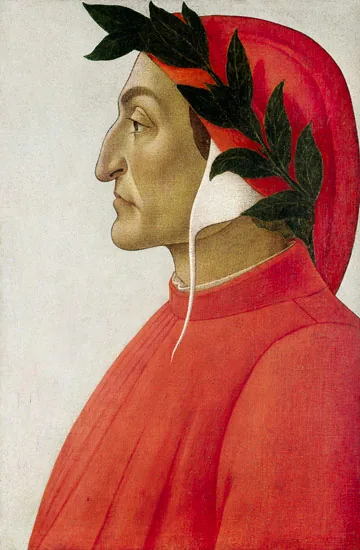
About the Author
More Books by This Author
 Dante's Hel / In proza overgebracht en met een inleiding voorzien
by Dante Alighieri
Dante's Hel / In proza overgebracht en met een inleiding voorzien
by Dante Alighieri
 Dante's Louteringsberg / in proza overgebracht
by Dante Alighieri
Dante's Louteringsberg / in proza overgebracht
by Dante Alighieri
 Die Göttliche Komödie
by Dante Alighieri
Die Göttliche Komödie
by Dante Alighieri
 Divina Commedia di Dante: Inferno
by Dante Alighieri
Divina Commedia di Dante: Inferno
by Dante Alighieri
 Divina Commedia di Dante: Paradiso
by Dante Alighieri
Divina Commedia di Dante: Paradiso
by Dante Alighieri
 Divina Commedia di Dante: Purgatorio
by Dante Alighieri
Divina Commedia di Dante: Purgatorio
by Dante Alighieri
You May Also Like
 "Old Scrooge": A Christmas Carol in Five Staves. / Dramatized from Charles Dickens' Celebrated Christmas Story.
by Charles Augustus Scott
"Old Scrooge": A Christmas Carol in Five Staves. / Dramatized from Charles Dickens' Celebrated Christmas Story.
by Charles Augustus Scott
 20.000 Mijlen onder Zee: Oostelijk Halfrond
by Jules Verne
20.000 Mijlen onder Zee: Oostelijk Halfrond
by Jules Verne
 20.000 Mijlen onder Zee: Westelijk Halfrond
by Jules Verne
20.000 Mijlen onder Zee: Westelijk Halfrond
by Jules Verne
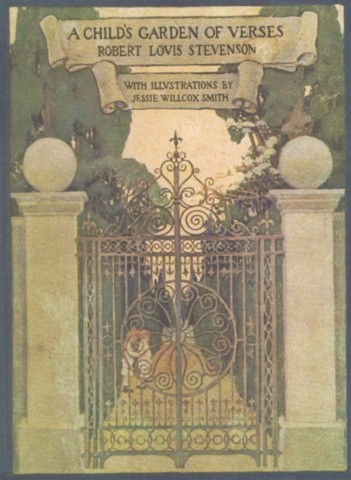 A Child's Garden of Verses
by Robert Louis Stevenson
A Child's Garden of Verses
by Robert Louis Stevenson
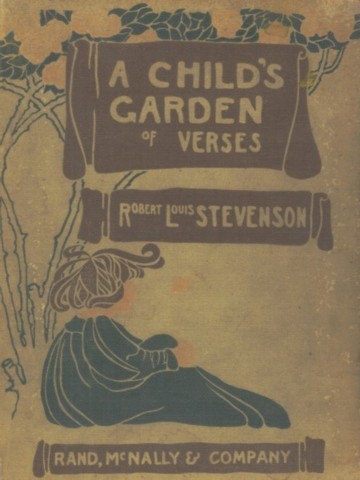 A Child's Garden of Verses
by Robert Louis Stevenson
A Child's Garden of Verses
by Robert Louis Stevenson
 A Child's Garden of Verses
by Robert Louis Stevenson
A Child's Garden of Verses
by Robert Louis Stevenson