

The Divine Comedy, Volume 2, Purgatory
The poem follows a pilgrim who, guided by a classical poet, ascends the mountain of Purgatory, visiting anterooms and seven terraces where souls undertake purgative punishments corresponding to particular sins. Each canto presents encounters with penitent spirits, moral exempla, allegorical figures, and visions that explore repentance, free will, and the ordering of love. Rituals of cleansing, angelic interventions, and poetic digressions interweave personal memory, political allusion, and theological reflection. The journey culminates in preparation for the Earthly Paradise atop the mountain, emphasizing moral reformation, the efficacy of prayer, and the soul’s gradual restoration toward divine harmony.
About This Book
The poem follows a pilgrim who, guided by a classical poet, ascends the mountain of Purgatory, visiting anterooms and seven terraces where souls undertake purgative punishments corresponding to particular sins. Each canto presents encounters with penitent spirits, moral exempla, allegorical figures, and visions that explore repentance, free will, and the ordering of love. Rituals of cleansing, angelic interventions, and poetic digressions interweave personal memory, political allusion, and theological reflection. The journey culminates in preparation for the Earthly Paradise atop the mountain, emphasizing moral reformation, the efficacy of prayer, and the soul’s gradual restoration toward divine harmony.
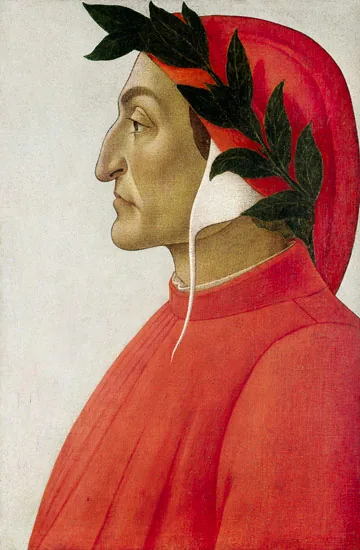
About the Author
More Books by This Author
 Dante's Hel / In proza overgebracht en met een inleiding voorzien
by Dante Alighieri
Dante's Hel / In proza overgebracht en met een inleiding voorzien
by Dante Alighieri
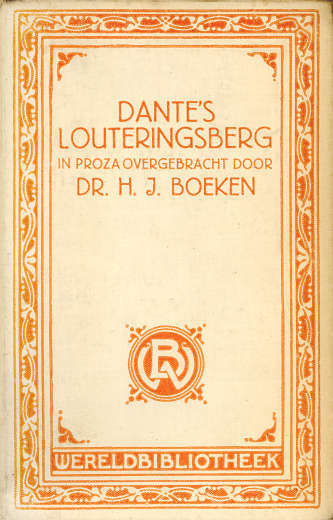 Dante's Louteringsberg / in proza overgebracht
by Dante Alighieri
Dante's Louteringsberg / in proza overgebracht
by Dante Alighieri
 Die Göttliche Komödie
by Dante Alighieri
Die Göttliche Komödie
by Dante Alighieri
 Divina Commedia di Dante: Inferno
by Dante Alighieri
Divina Commedia di Dante: Inferno
by Dante Alighieri
 Divina Commedia di Dante: Paradiso
by Dante Alighieri
Divina Commedia di Dante: Paradiso
by Dante Alighieri
 Divina Commedia di Dante: Purgatorio
by Dante Alighieri
Divina Commedia di Dante: Purgatorio
by Dante Alighieri
You May Also Like
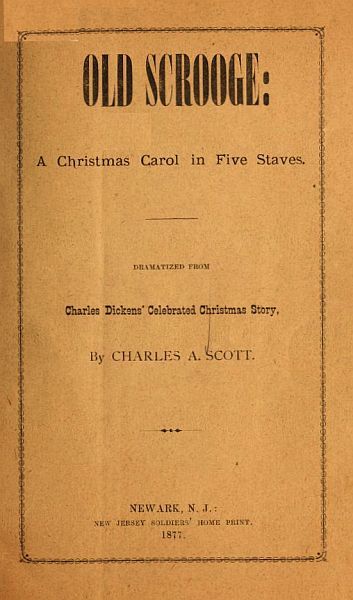 "Old Scrooge": A Christmas Carol in Five Staves. / Dramatized from Charles Dickens' Celebrated Christmas Story.
by Charles Augustus Scott
"Old Scrooge": A Christmas Carol in Five Staves. / Dramatized from Charles Dickens' Celebrated Christmas Story.
by Charles Augustus Scott
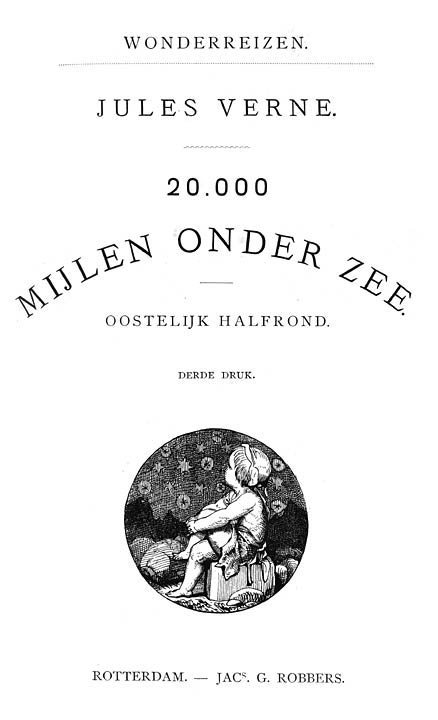 20.000 Mijlen onder Zee: Oostelijk Halfrond
by Jules Verne
20.000 Mijlen onder Zee: Oostelijk Halfrond
by Jules Verne
 20.000 Mijlen onder Zee: Westelijk Halfrond
by Jules Verne
20.000 Mijlen onder Zee: Westelijk Halfrond
by Jules Verne
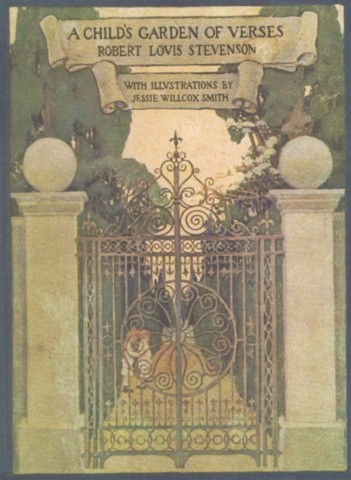 A Child's Garden of Verses
by Robert Louis Stevenson
A Child's Garden of Verses
by Robert Louis Stevenson
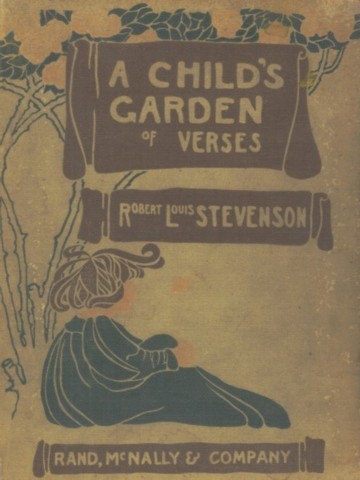 A Child's Garden of Verses
by Robert Louis Stevenson
A Child's Garden of Verses
by Robert Louis Stevenson
 A Child's Garden of Verses
by Robert Louis Stevenson
A Child's Garden of Verses
by Robert Louis Stevenson