

The Divine Comedy, Volume 1, Hell
The narrator, lost in a dark wood, is led by an ancient poet through a descending realm of suffering where sinners receive punishments proportioned to their vices. The route passes through ordered circles that distinguish incontinence, violence, fraud, and betrayal, with vivid tableaux that pair classical myth and contemporary personages to moral and theological lessons. Encounters with condemned souls prompt reflections on responsibility, politics, and human desire, while descriptive set pieces convey both horror and symbolic meaning. The descent ends at the frozen center of treachery and frames the voyage as an imaginative, ethical survey of sin that prepares the way for later movement toward purification.
About This Book
The narrator, lost in a dark wood, is led by an ancient poet through a descending realm of suffering where sinners receive punishments proportioned to their vices. The route passes through ordered circles that distinguish incontinence, violence, fraud, and betrayal, with vivid tableaux that pair classical myth and contemporary personages to moral and theological lessons. Encounters with condemned souls prompt reflections on responsibility, politics, and human desire, while descriptive set pieces convey both horror and symbolic meaning. The descent ends at the frozen center of treachery and frames the voyage as an imaginative, ethical survey of sin that prepares the way for later movement toward purification.
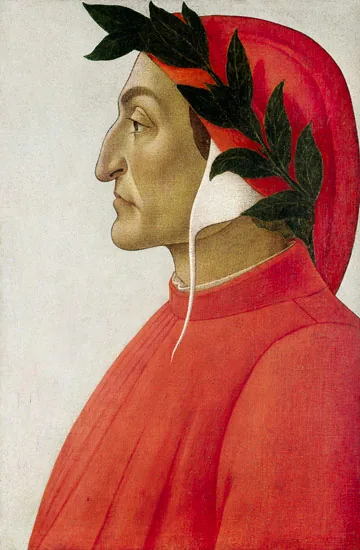
About the Author
More Books by This Author
 Dante's Hel / In proza overgebracht en met een inleiding voorzien
by Dante Alighieri
Dante's Hel / In proza overgebracht en met een inleiding voorzien
by Dante Alighieri
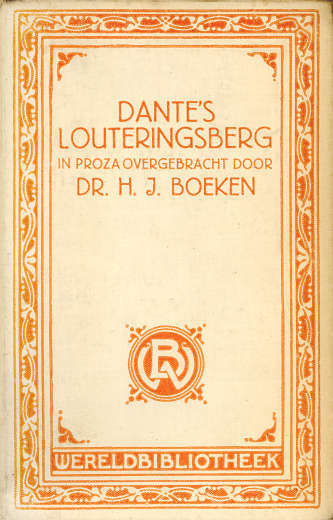 Dante's Louteringsberg / in proza overgebracht
by Dante Alighieri
Dante's Louteringsberg / in proza overgebracht
by Dante Alighieri
 Die Göttliche Komödie
by Dante Alighieri
Die Göttliche Komödie
by Dante Alighieri
 Divina Commedia di Dante: Inferno
by Dante Alighieri
Divina Commedia di Dante: Inferno
by Dante Alighieri
 Divina Commedia di Dante: Paradiso
by Dante Alighieri
Divina Commedia di Dante: Paradiso
by Dante Alighieri
 Divina Commedia di Dante: Purgatorio
by Dante Alighieri
Divina Commedia di Dante: Purgatorio
by Dante Alighieri
You May Also Like
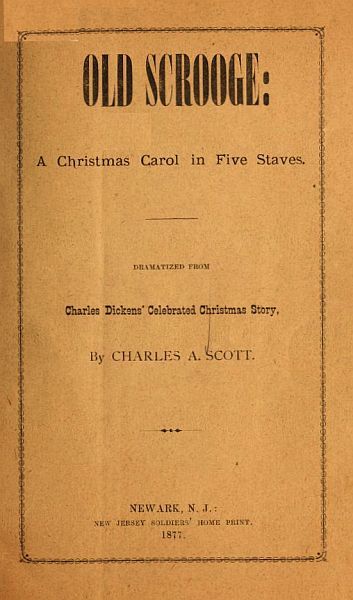 "Old Scrooge": A Christmas Carol in Five Staves. / Dramatized from Charles Dickens' Celebrated Christmas Story.
by Charles Augustus Scott
"Old Scrooge": A Christmas Carol in Five Staves. / Dramatized from Charles Dickens' Celebrated Christmas Story.
by Charles Augustus Scott
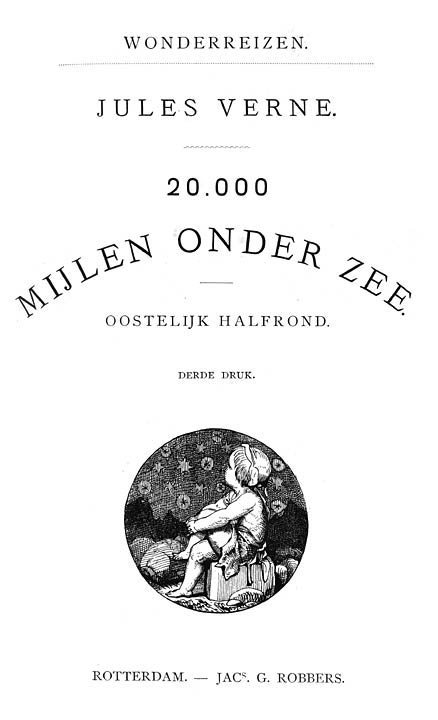 20.000 Mijlen onder Zee: Oostelijk Halfrond
by Jules Verne
20.000 Mijlen onder Zee: Oostelijk Halfrond
by Jules Verne
 20.000 Mijlen onder Zee: Westelijk Halfrond
by Jules Verne
20.000 Mijlen onder Zee: Westelijk Halfrond
by Jules Verne
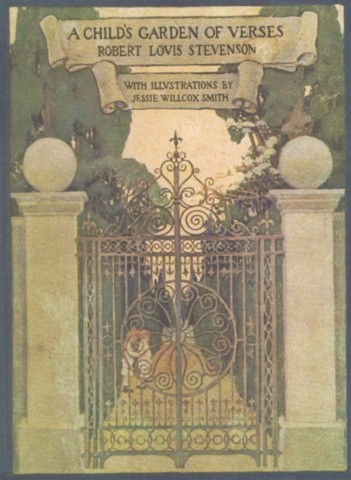 A Child's Garden of Verses
by Robert Louis Stevenson
A Child's Garden of Verses
by Robert Louis Stevenson
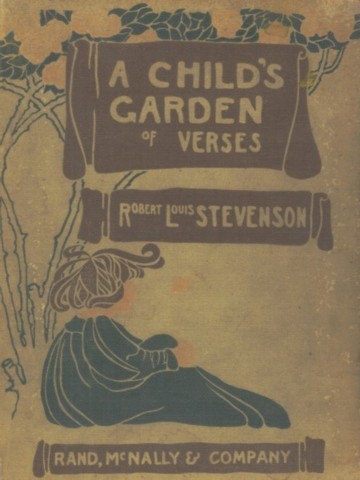 A Child's Garden of Verses
by Robert Louis Stevenson
A Child's Garden of Verses
by Robert Louis Stevenson
 A Child's Garden of Verses
by Robert Louis Stevenson
A Child's Garden of Verses
by Robert Louis Stevenson