

The Divine Comedy of Dante Alighieri: The Inferno
The narrative follows a pilgrim who, guided by an authoritative classical figure, descends through a vividly structured underworld divided into concentric circles that punish different kinds of moral failings. Along the way the pilgrim encounters tormented souls whose individualized sufferings illuminate ethical principles and personal and civic grievances, and learns an ordered cosmology where divine justice metes out fitting retribution. The journey mixes vivid allegory, moral analysis, and political and autobiographical allusion, preparing the traveler to ascend toward purification in the subsequent parts of the poem.
About This Book
The narrative follows a pilgrim who, guided by an authoritative classical figure, descends through a vividly structured underworld divided into concentric circles that punish different kinds of moral failings. Along the way the pilgrim encounters tormented souls whose individualized sufferings illuminate ethical principles and personal and civic grievances, and learns an ordered cosmology where divine justice metes out fitting retribution. The journey mixes vivid allegory, moral analysis, and political and autobiographical allusion, preparing the traveler to ascend toward purification in the subsequent parts of the poem.
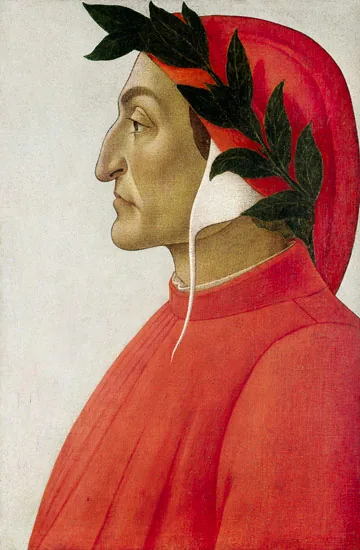
About the Author
More Books by This Author
 Dante's Hel / In proza overgebracht en met een inleiding voorzien
by Dante Alighieri
Dante's Hel / In proza overgebracht en met een inleiding voorzien
by Dante Alighieri
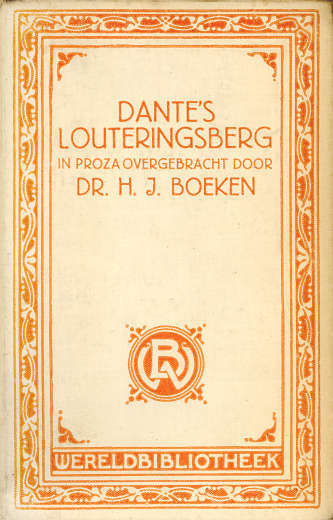 Dante's Louteringsberg / in proza overgebracht
by Dante Alighieri
Dante's Louteringsberg / in proza overgebracht
by Dante Alighieri
 Die Göttliche Komödie
by Dante Alighieri
Die Göttliche Komödie
by Dante Alighieri
 Divina Commedia di Dante: Inferno
by Dante Alighieri
Divina Commedia di Dante: Inferno
by Dante Alighieri
 Divina Commedia di Dante: Paradiso
by Dante Alighieri
Divina Commedia di Dante: Paradiso
by Dante Alighieri
 Divina Commedia di Dante: Purgatorio
by Dante Alighieri
Divina Commedia di Dante: Purgatorio
by Dante Alighieri
You May Also Like
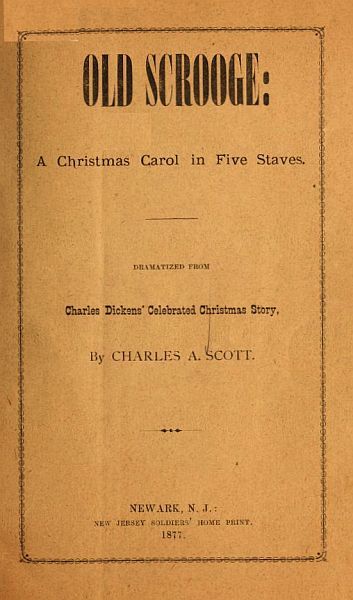 "Old Scrooge": A Christmas Carol in Five Staves. / Dramatized from Charles Dickens' Celebrated Christmas Story.
by Charles Augustus Scott
"Old Scrooge": A Christmas Carol in Five Staves. / Dramatized from Charles Dickens' Celebrated Christmas Story.
by Charles Augustus Scott
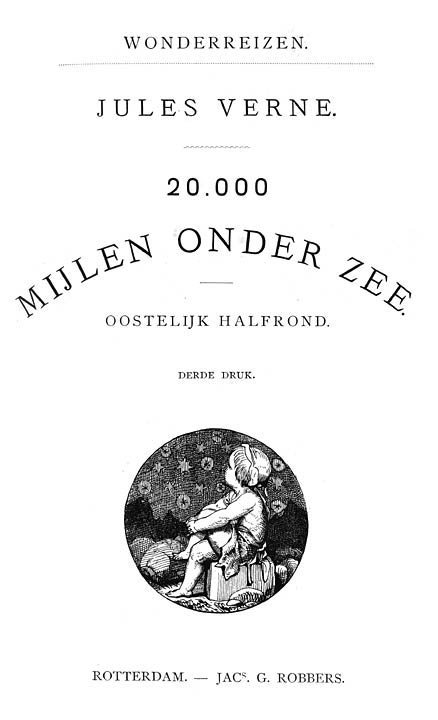 20.000 Mijlen onder Zee: Oostelijk Halfrond
by Jules Verne
20.000 Mijlen onder Zee: Oostelijk Halfrond
by Jules Verne
 20.000 Mijlen onder Zee: Westelijk Halfrond
by Jules Verne
20.000 Mijlen onder Zee: Westelijk Halfrond
by Jules Verne
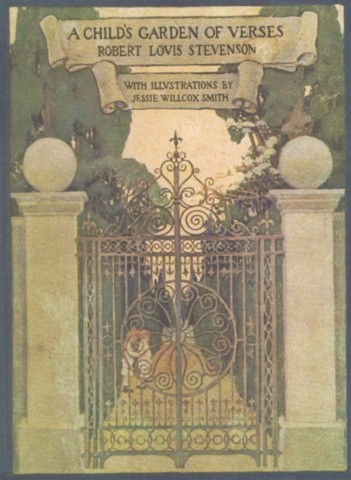 A Child's Garden of Verses
by Robert Louis Stevenson
A Child's Garden of Verses
by Robert Louis Stevenson
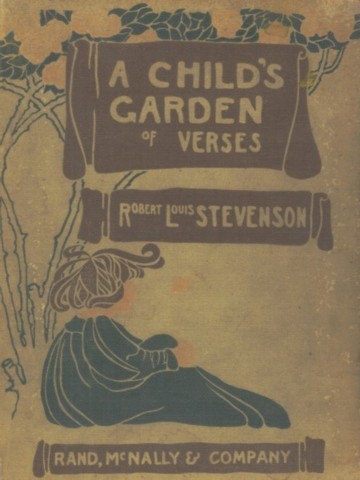 A Child's Garden of Verses
by Robert Louis Stevenson
A Child's Garden of Verses
by Robert Louis Stevenson
 A Child's Garden of Verses
by Robert Louis Stevenson
A Child's Garden of Verses
by Robert Louis Stevenson