
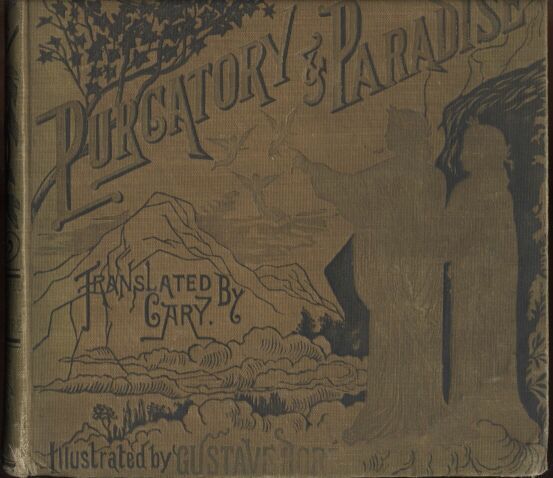
The Divine Comedy by Dante, Illustrated, Purgatory, Volume 5
The narrative follows a pilgrim's ascent of a penitential mountain where he and his guide climb terraces of purification, encounter poets and penitents whose contrition illuminates themes of love, art, and moral reform, and witness rites that cleanse past faults. Episodes portray inspection of repentant souls, confession of former follies rendered through poetic names, and a culminating passage through purifying flame accompanied by an angelic chant. The pilgrim endures inner struggle but finds consolation, recognises exemplary figures, and receives counsel from his guide as daylight wanes and the group pauses on the slope, readying for the next stage toward celestial vision.
About This Book
The narrative follows a pilgrim's ascent of a penitential mountain where he and his guide climb terraces of purification, encounter poets and penitents whose contrition illuminates themes of love, art, and moral reform, and witness rites that cleanse past faults. Episodes portray inspection of repentant souls, confession of former follies rendered through poetic names, and a culminating passage through purifying flame accompanied by an angelic chant. The pilgrim endures inner struggle but finds consolation, recognises exemplary figures, and receives counsel from his guide as daylight wanes and the group pauses on the slope, readying for the next stage toward celestial vision.
About the Author
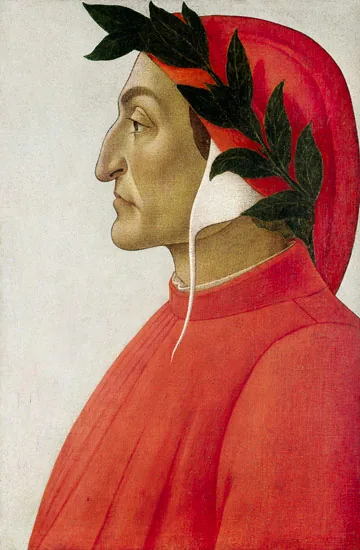
More Books by This Author
 Dante's Hel / In proza overgebracht en met een inleiding voorzien
by Dante Alighieri
Dante's Hel / In proza overgebracht en met een inleiding voorzien
by Dante Alighieri
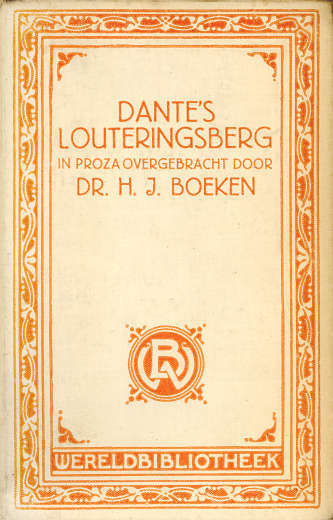 Dante's Louteringsberg / in proza overgebracht
by Dante Alighieri
Dante's Louteringsberg / in proza overgebracht
by Dante Alighieri
 Die Göttliche Komödie
by Dante Alighieri
Die Göttliche Komödie
by Dante Alighieri
 Divina Commedia di Dante: Inferno
by Dante Alighieri
Divina Commedia di Dante: Inferno
by Dante Alighieri
 Divina Commedia di Dante: Paradiso
by Dante Alighieri
Divina Commedia di Dante: Paradiso
by Dante Alighieri
 Divina Commedia di Dante: Purgatorio
by Dante Alighieri
Divina Commedia di Dante: Purgatorio
by Dante Alighieri
You May Also Like
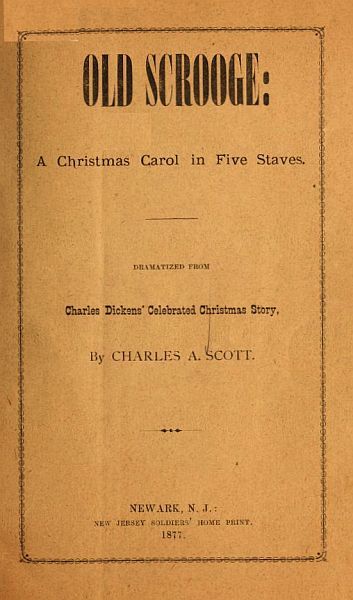 "Old Scrooge": A Christmas Carol in Five Staves. / Dramatized from Charles Dickens' Celebrated Christmas Story.
by Charles Augustus Scott
"Old Scrooge": A Christmas Carol in Five Staves. / Dramatized from Charles Dickens' Celebrated Christmas Story.
by Charles Augustus Scott
 20.000 Mijlen onder Zee: Oostelijk Halfrond
by Jules Verne
20.000 Mijlen onder Zee: Oostelijk Halfrond
by Jules Verne
 20.000 Mijlen onder Zee: Westelijk Halfrond
by Jules Verne
20.000 Mijlen onder Zee: Westelijk Halfrond
by Jules Verne
 A Child's Garden of Verses
by Robert Louis Stevenson
A Child's Garden of Verses
by Robert Louis Stevenson
 A Child's Garden of Verses
by Robert Louis Stevenson
A Child's Garden of Verses
by Robert Louis Stevenson
 A Child's Garden of Verses
by Robert Louis Stevenson
A Child's Garden of Verses
by Robert Louis Stevenson