
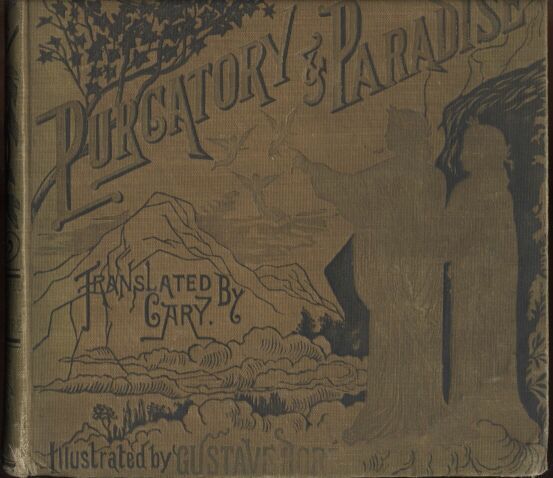
The Divine Comedy by Dante, Illustrated, Purgatory, Volume 4
A pilgrim, guided by a classical poet, ascends a mountain of purification and meets allegorical figures, angelic guardians, and souls undergoing penance. An alluring enchantress is exposed and overcome, while terraces expose the consequences of attachment to wealth, pride, and other faults through physical restraints and lamentation. Penitents speak of their late repentance, urge reform, and recount dynastic and moral wrongs as warnings to the living. Instruction from heavenly beings and the steady progress of the journey frame a movement from recognition of vice toward cleansing, hope, and continued ascent toward spiritual renewal.
About This Book
A pilgrim, guided by a classical poet, ascends a mountain of purification and meets allegorical figures, angelic guardians, and souls undergoing penance. An alluring enchantress is exposed and overcome, while terraces expose the consequences of attachment to wealth, pride, and other faults through physical restraints and lamentation. Penitents speak of their late repentance, urge reform, and recount dynastic and moral wrongs as warnings to the living. Instruction from heavenly beings and the steady progress of the journey frame a movement from recognition of vice toward cleansing, hope, and continued ascent toward spiritual renewal.
About the Author
More Books by This Author
 Dante's Hel / In proza overgebracht en met een inleiding voorzien
by Dante Alighieri
Dante's Hel / In proza overgebracht en met een inleiding voorzien
by Dante Alighieri
 Dante's Louteringsberg / in proza overgebracht
by Dante Alighieri
Dante's Louteringsberg / in proza overgebracht
by Dante Alighieri
 Die Göttliche Komödie
by Dante Alighieri
Die Göttliche Komödie
by Dante Alighieri
 Divina Commedia di Dante: Inferno
by Dante Alighieri
Divina Commedia di Dante: Inferno
by Dante Alighieri
 Divina Commedia di Dante: Paradiso
by Dante Alighieri
Divina Commedia di Dante: Paradiso
by Dante Alighieri
 Divina Commedia di Dante: Purgatorio
by Dante Alighieri
Divina Commedia di Dante: Purgatorio
by Dante Alighieri
You May Also Like
 "Old Scrooge": A Christmas Carol in Five Staves. / Dramatized from Charles Dickens' Celebrated Christmas Story.
by Charles Augustus Scott
"Old Scrooge": A Christmas Carol in Five Staves. / Dramatized from Charles Dickens' Celebrated Christmas Story.
by Charles Augustus Scott
 20.000 Mijlen onder Zee: Oostelijk Halfrond
by Jules Verne
20.000 Mijlen onder Zee: Oostelijk Halfrond
by Jules Verne
 20.000 Mijlen onder Zee: Westelijk Halfrond
by Jules Verne
20.000 Mijlen onder Zee: Westelijk Halfrond
by Jules Verne
 A Child's Garden of Verses
by Robert Louis Stevenson
A Child's Garden of Verses
by Robert Louis Stevenson
 A Child's Garden of Verses
by Robert Louis Stevenson
A Child's Garden of Verses
by Robert Louis Stevenson
 A Child's Garden of Verses
by Robert Louis Stevenson
A Child's Garden of Verses
by Robert Louis Stevenson