
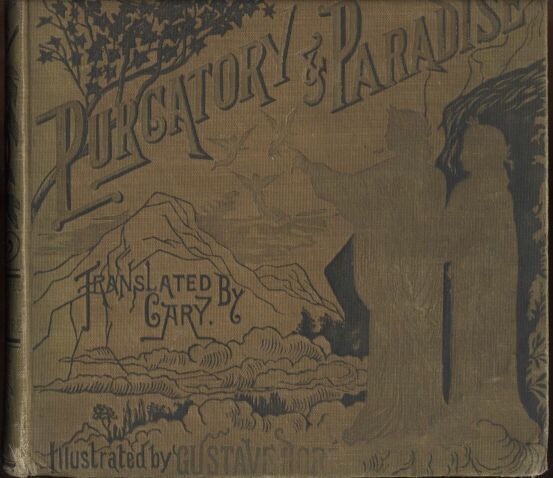
The Divine Comedy by Dante, Illustrated, Purgatory, Volume 2
The narrative follows a pilgrim led by a classical Roman poet as they climb a spiritual mountain where souls undergo orderly purgation. Each terrace purges a particular vice through symbolic trials and contrition, and the pilgrim hears confessions, petitions, and stories that reveal how repentance, prayer, and intercession accelerate purification. Encounters include bereaved souls, penitents who recall violent deaths, and a reunion with a native poet that prompts political lament for a fractured homeland. The work combines vivid allegory, ethical instruction, and reflective dialogue to trace moral renewal en route to the gates of Paradise.
About This Book
The narrative follows a pilgrim led by a classical Roman poet as they climb a spiritual mountain where souls undergo orderly purgation. Each terrace purges a particular vice through symbolic trials and contrition, and the pilgrim hears confessions, petitions, and stories that reveal how repentance, prayer, and intercession accelerate purification. Encounters include bereaved souls, penitents who recall violent deaths, and a reunion with a native poet that prompts political lament for a fractured homeland. The work combines vivid allegory, ethical instruction, and reflective dialogue to trace moral renewal en route to the gates of Paradise.
About the Author
More Books by This Author
 Dante's Hel / In proza overgebracht en met een inleiding voorzien
by Dante Alighieri
Dante's Hel / In proza overgebracht en met een inleiding voorzien
by Dante Alighieri
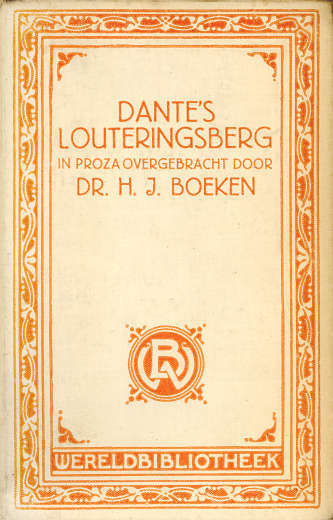 Dante's Louteringsberg / in proza overgebracht
by Dante Alighieri
Dante's Louteringsberg / in proza overgebracht
by Dante Alighieri
 Die Göttliche Komödie
by Dante Alighieri
Die Göttliche Komödie
by Dante Alighieri
 Divina Commedia di Dante: Inferno
by Dante Alighieri
Divina Commedia di Dante: Inferno
by Dante Alighieri
 Divina Commedia di Dante: Paradiso
by Dante Alighieri
Divina Commedia di Dante: Paradiso
by Dante Alighieri
 Divina Commedia di Dante: Purgatorio
by Dante Alighieri
Divina Commedia di Dante: Purgatorio
by Dante Alighieri
You May Also Like
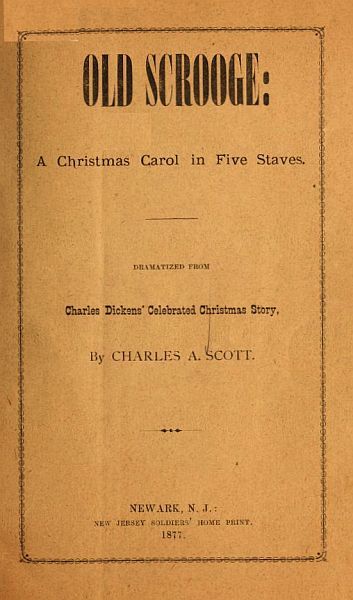 "Old Scrooge": A Christmas Carol in Five Staves. / Dramatized from Charles Dickens' Celebrated Christmas Story.
by Charles Augustus Scott
"Old Scrooge": A Christmas Carol in Five Staves. / Dramatized from Charles Dickens' Celebrated Christmas Story.
by Charles Augustus Scott
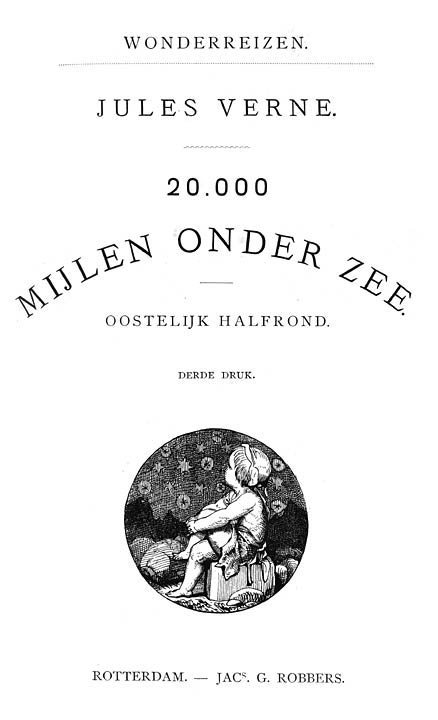 20.000 Mijlen onder Zee: Oostelijk Halfrond
by Jules Verne
20.000 Mijlen onder Zee: Oostelijk Halfrond
by Jules Verne
 20.000 Mijlen onder Zee: Westelijk Halfrond
by Jules Verne
20.000 Mijlen onder Zee: Westelijk Halfrond
by Jules Verne
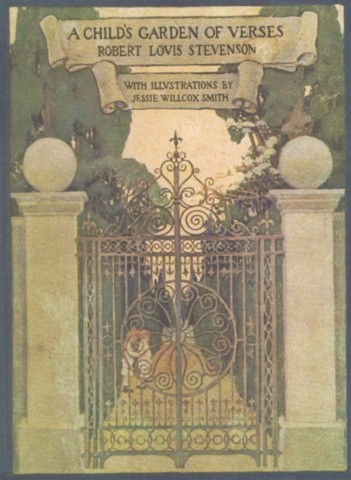 A Child's Garden of Verses
by Robert Louis Stevenson
A Child's Garden of Verses
by Robert Louis Stevenson
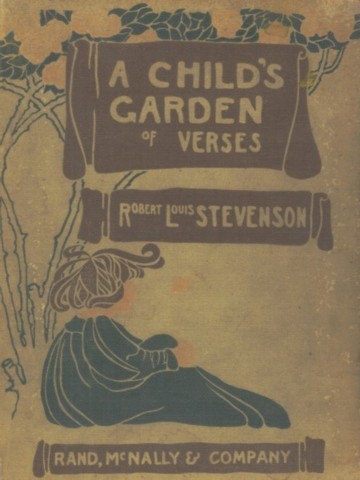 A Child's Garden of Verses
by Robert Louis Stevenson
A Child's Garden of Verses
by Robert Louis Stevenson
 A Child's Garden of Verses
by Robert Louis Stevenson
A Child's Garden of Verses
by Robert Louis Stevenson