
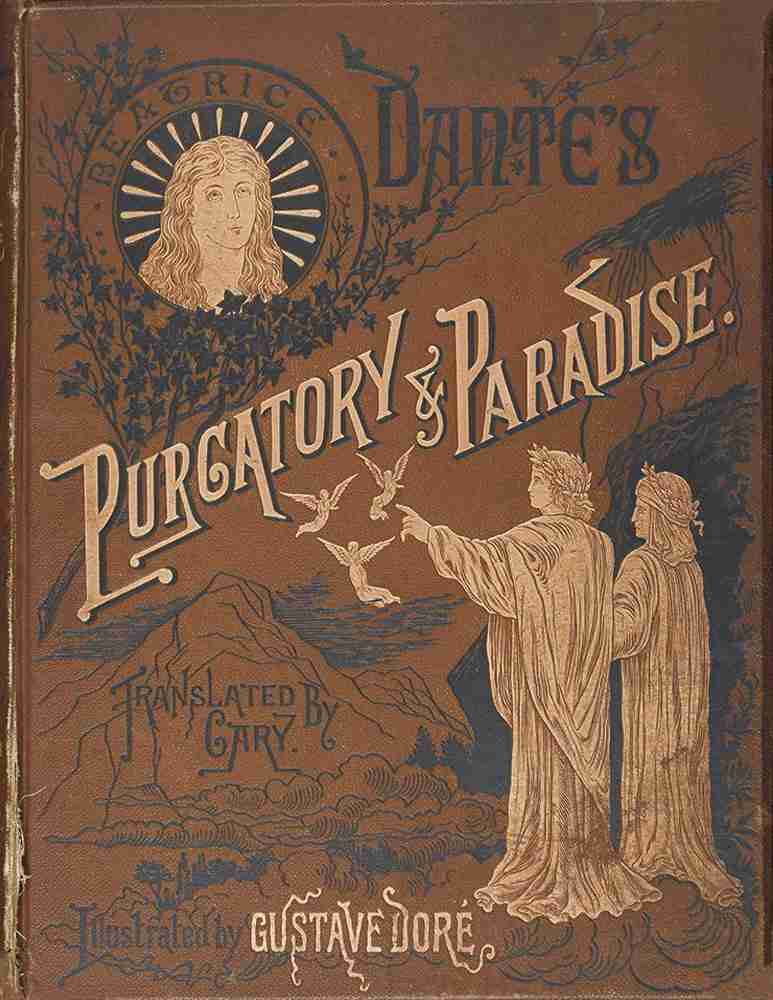
The Divine Comedy by Dante, Illustrated, Purgatory, Complete
A living pilgrim is led by a classical Roman poet from a dark sea-shore to the slopes of a sacred mountain where souls undergo moral purification. The journey ascends through ordered terraces that each correct a particular vice, populated by penitent souls, symbolic punishments, and instructive dialogues that illustrate themes of repentance, divine justice, and rightful love. Cantos alternate scene, witness, and theological reflection, moving from shadow toward increasing light. The pilgrimage culminates at an earthly paradise on the summit where a heavenly woman appears to succeed the human guide and the traveler prepares for the next stage of ascent into the celestial realms.
About This Book
A living pilgrim is led by a classical Roman poet from a dark sea-shore to the slopes of a sacred mountain where souls undergo moral purification. The journey ascends through ordered terraces that each correct a particular vice, populated by penitent souls, symbolic punishments, and instructive dialogues that illustrate themes of repentance, divine justice, and rightful love. Cantos alternate scene, witness, and theological reflection, moving from shadow toward increasing light. The pilgrimage culminates at an earthly paradise on the summit where a heavenly woman appears to succeed the human guide and the traveler prepares for the next stage of ascent into the celestial realms.
About the Author
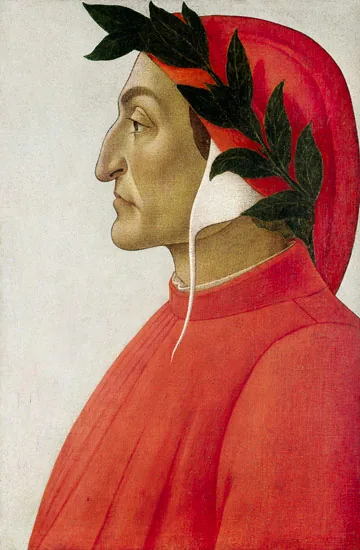
More Books by This Author
 Dante's Hel / In proza overgebracht en met een inleiding voorzien
by Dante Alighieri
Dante's Hel / In proza overgebracht en met een inleiding voorzien
by Dante Alighieri
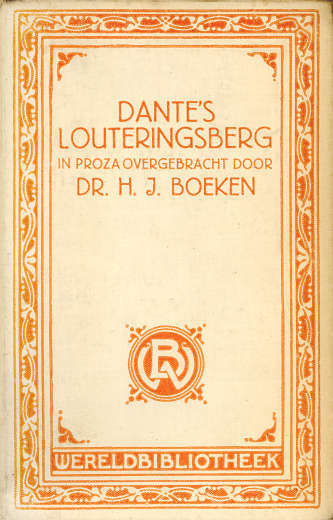 Dante's Louteringsberg / in proza overgebracht
by Dante Alighieri
Dante's Louteringsberg / in proza overgebracht
by Dante Alighieri
 Die Göttliche Komödie
by Dante Alighieri
Die Göttliche Komödie
by Dante Alighieri
 Divina Commedia di Dante: Inferno
by Dante Alighieri
Divina Commedia di Dante: Inferno
by Dante Alighieri
 Divina Commedia di Dante: Paradiso
by Dante Alighieri
Divina Commedia di Dante: Paradiso
by Dante Alighieri
 Divina Commedia di Dante: Purgatorio
by Dante Alighieri
Divina Commedia di Dante: Purgatorio
by Dante Alighieri
You May Also Like
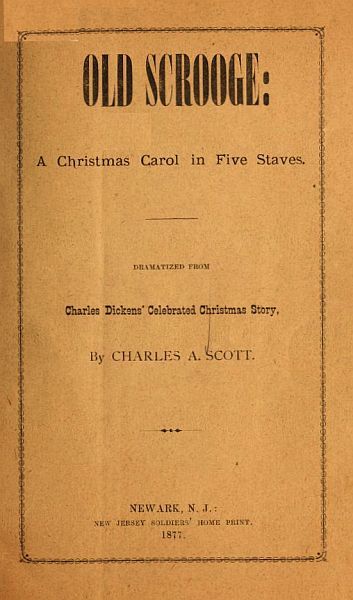 "Old Scrooge": A Christmas Carol in Five Staves. / Dramatized from Charles Dickens' Celebrated Christmas Story.
by Charles Augustus Scott
"Old Scrooge": A Christmas Carol in Five Staves. / Dramatized from Charles Dickens' Celebrated Christmas Story.
by Charles Augustus Scott
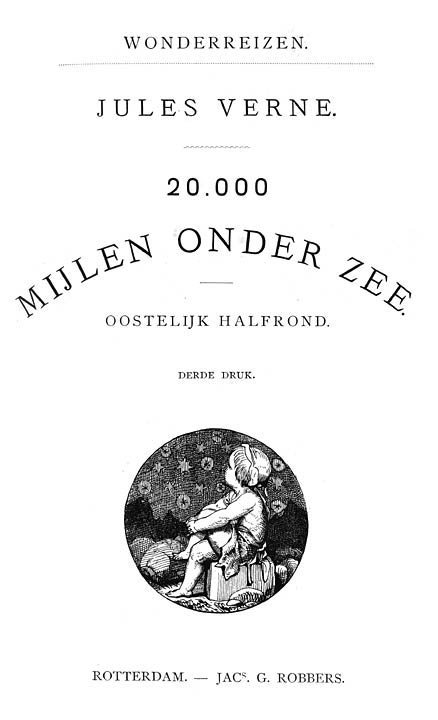 20.000 Mijlen onder Zee: Oostelijk Halfrond
by Jules Verne
20.000 Mijlen onder Zee: Oostelijk Halfrond
by Jules Verne
 20.000 Mijlen onder Zee: Westelijk Halfrond
by Jules Verne
20.000 Mijlen onder Zee: Westelijk Halfrond
by Jules Verne
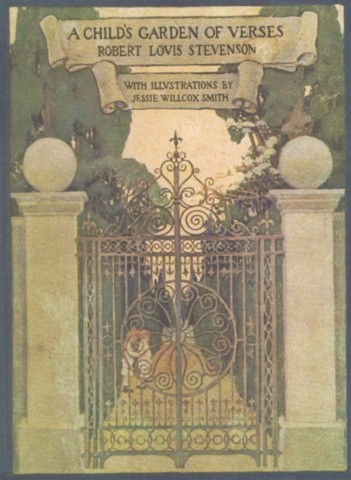 A Child's Garden of Verses
by Robert Louis Stevenson
A Child's Garden of Verses
by Robert Louis Stevenson
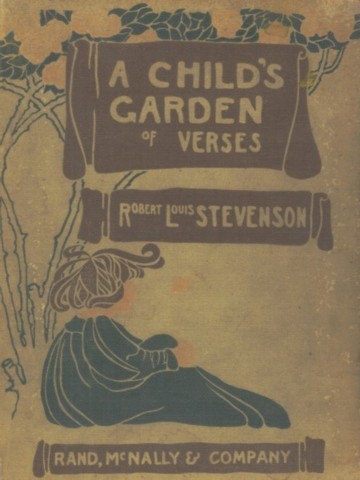 A Child's Garden of Verses
by Robert Louis Stevenson
A Child's Garden of Verses
by Robert Louis Stevenson
 A Child's Garden of Verses
by Robert Louis Stevenson
A Child's Garden of Verses
by Robert Louis Stevenson