
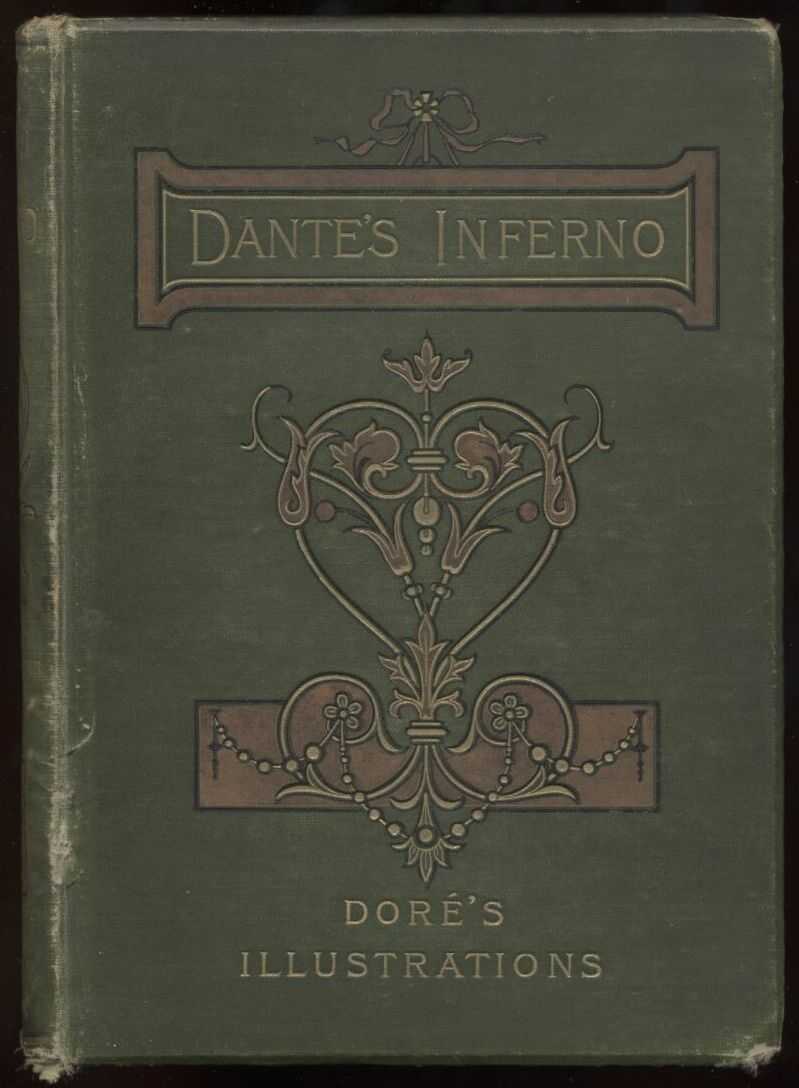
The Divine Comedy by Dante, Illustrated, Hell, Volume 10
A pilgrim guided through the underworld reaches the frozen center where traitors are immobilized in a glassy lake beneath towering giants. The narrative catalogs grotesque punishments: sinners trapped in ice, mutilation, and cannibalistic violence enacted as fitting retribution for betrayal. Encounters with contorted faces and hostile shades lead to a prolonged, anguished confession by a prisoner who recounts imprisonment, starvation, and the death of his children, revealing motives of treachery and vengeance. Throughout, stark sensory detail and judicial symmetry between crime and penalty emphasize themes of justice, culpability, and the human cost of betrayal.
About This Book
A pilgrim guided through the underworld reaches the frozen center where traitors are immobilized in a glassy lake beneath towering giants. The narrative catalogs grotesque punishments: sinners trapped in ice, mutilation, and cannibalistic violence enacted as fitting retribution for betrayal. Encounters with contorted faces and hostile shades lead to a prolonged, anguished confession by a prisoner who recounts imprisonment, starvation, and the death of his children, revealing motives of treachery and vengeance. Throughout, stark sensory detail and judicial symmetry between crime and penalty emphasize themes of justice, culpability, and the human cost of betrayal.
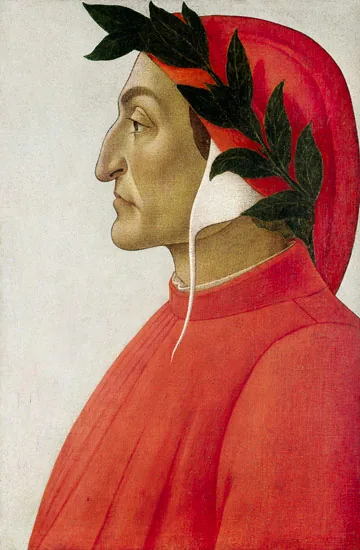
About the Author
More Books by This Author
 Dante's Hel / In proza overgebracht en met een inleiding voorzien
by Dante Alighieri
Dante's Hel / In proza overgebracht en met een inleiding voorzien
by Dante Alighieri
 Dante's Louteringsberg / in proza overgebracht
by Dante Alighieri
Dante's Louteringsberg / in proza overgebracht
by Dante Alighieri
 Die Göttliche Komödie
by Dante Alighieri
Die Göttliche Komödie
by Dante Alighieri
 Divina Commedia di Dante: Inferno
by Dante Alighieri
Divina Commedia di Dante: Inferno
by Dante Alighieri
 Divina Commedia di Dante: Paradiso
by Dante Alighieri
Divina Commedia di Dante: Paradiso
by Dante Alighieri
 Divina Commedia di Dante: Purgatorio
by Dante Alighieri
Divina Commedia di Dante: Purgatorio
by Dante Alighieri
You May Also Like
 "Old Scrooge": A Christmas Carol in Five Staves. / Dramatized from Charles Dickens' Celebrated Christmas Story.
by Charles Augustus Scott
"Old Scrooge": A Christmas Carol in Five Staves. / Dramatized from Charles Dickens' Celebrated Christmas Story.
by Charles Augustus Scott
 20.000 Mijlen onder Zee: Oostelijk Halfrond
by Jules Verne
20.000 Mijlen onder Zee: Oostelijk Halfrond
by Jules Verne
 20.000 Mijlen onder Zee: Westelijk Halfrond
by Jules Verne
20.000 Mijlen onder Zee: Westelijk Halfrond
by Jules Verne
 A Child's Garden of Verses
by Robert Louis Stevenson
A Child's Garden of Verses
by Robert Louis Stevenson
 A Child's Garden of Verses
by Robert Louis Stevenson
A Child's Garden of Verses
by Robert Louis Stevenson
 A Child's Garden of Verses
by Robert Louis Stevenson
A Child's Garden of Verses
by Robert Louis Stevenson