
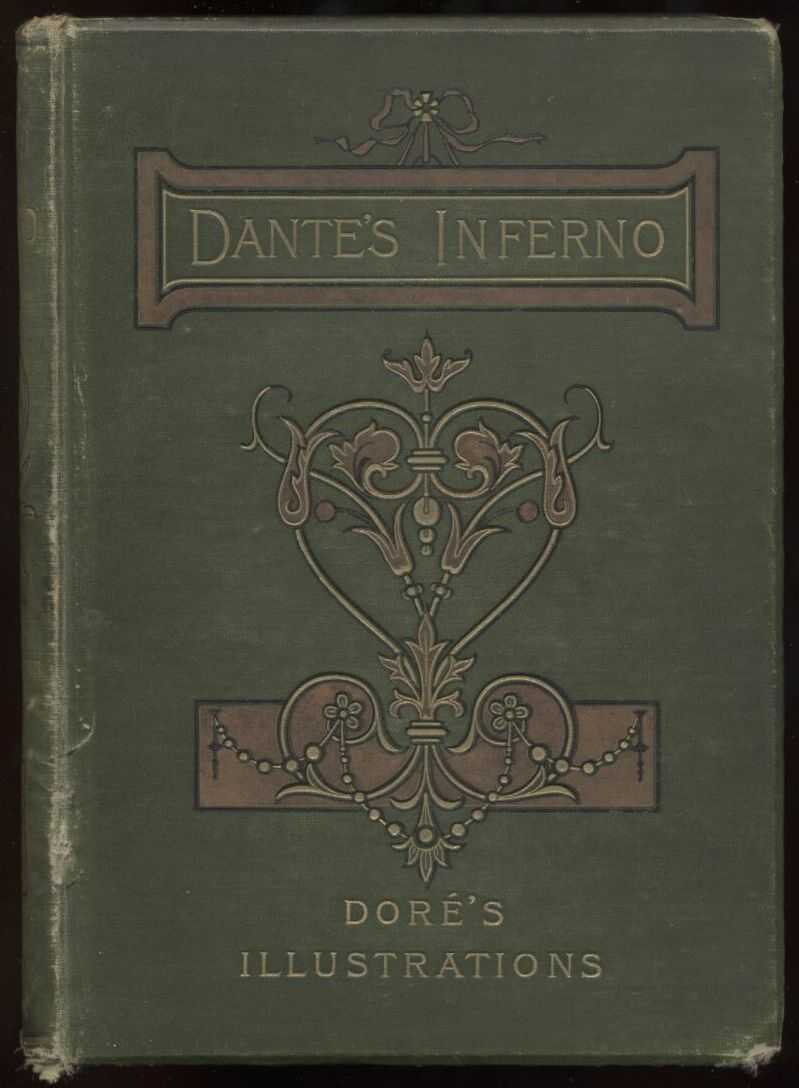
The Divine Comedy by Dante, Illustrated, Hell, Volume 07
The poem follows a pilgrim, guided by the Roman poet Virgil, as he descends through Hell's concentric circles to witness sinners punished according to their crimes. Each canto maps a distinct vice and its contrapasso, populated by classical, biblical, and contemporary figures whose dialogues and torments illustrate moral and theological judgments. The journey blends vivid, grotesque imagery with allegorical meditation on justice, sin, and repentance, arranging ethical lessons into a structured sequence of episodes that foreshadow later passages through Purgatory and Paradise.
About This Book
The poem follows a pilgrim, guided by the Roman poet Virgil, as he descends through Hell's concentric circles to witness sinners punished according to their crimes. Each canto maps a distinct vice and its contrapasso, populated by classical, biblical, and contemporary figures whose dialogues and torments illustrate moral and theological judgments. The journey blends vivid, grotesque imagery with allegorical meditation on justice, sin, and repentance, arranging ethical lessons into a structured sequence of episodes that foreshadow later passages through Purgatory and Paradise.
About the Author
More Books by This Author
 Dante's Hel / In proza overgebracht en met een inleiding voorzien
by Dante Alighieri
Dante's Hel / In proza overgebracht en met een inleiding voorzien
by Dante Alighieri
 Dante's Louteringsberg / in proza overgebracht
by Dante Alighieri
Dante's Louteringsberg / in proza overgebracht
by Dante Alighieri
 Die Göttliche Komödie
by Dante Alighieri
Die Göttliche Komödie
by Dante Alighieri
 Divina Commedia di Dante: Inferno
by Dante Alighieri
Divina Commedia di Dante: Inferno
by Dante Alighieri
 Divina Commedia di Dante: Paradiso
by Dante Alighieri
Divina Commedia di Dante: Paradiso
by Dante Alighieri
 Divina Commedia di Dante: Purgatorio
by Dante Alighieri
Divina Commedia di Dante: Purgatorio
by Dante Alighieri
You May Also Like
 "Old Scrooge": A Christmas Carol in Five Staves. / Dramatized from Charles Dickens' Celebrated Christmas Story.
by Charles Augustus Scott
"Old Scrooge": A Christmas Carol in Five Staves. / Dramatized from Charles Dickens' Celebrated Christmas Story.
by Charles Augustus Scott
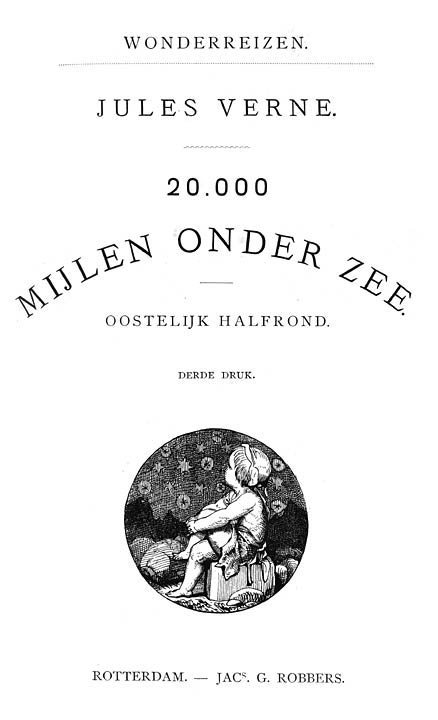 20.000 Mijlen onder Zee: Oostelijk Halfrond
by Jules Verne
20.000 Mijlen onder Zee: Oostelijk Halfrond
by Jules Verne
 20.000 Mijlen onder Zee: Westelijk Halfrond
by Jules Verne
20.000 Mijlen onder Zee: Westelijk Halfrond
by Jules Verne
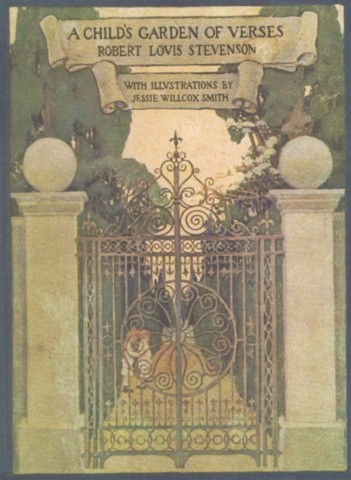 A Child's Garden of Verses
by Robert Louis Stevenson
A Child's Garden of Verses
by Robert Louis Stevenson
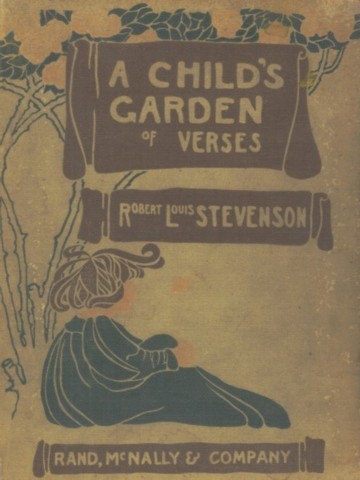 A Child's Garden of Verses
by Robert Louis Stevenson
A Child's Garden of Verses
by Robert Louis Stevenson
 A Child's Garden of Verses
by Robert Louis Stevenson
A Child's Garden of Verses
by Robert Louis Stevenson