
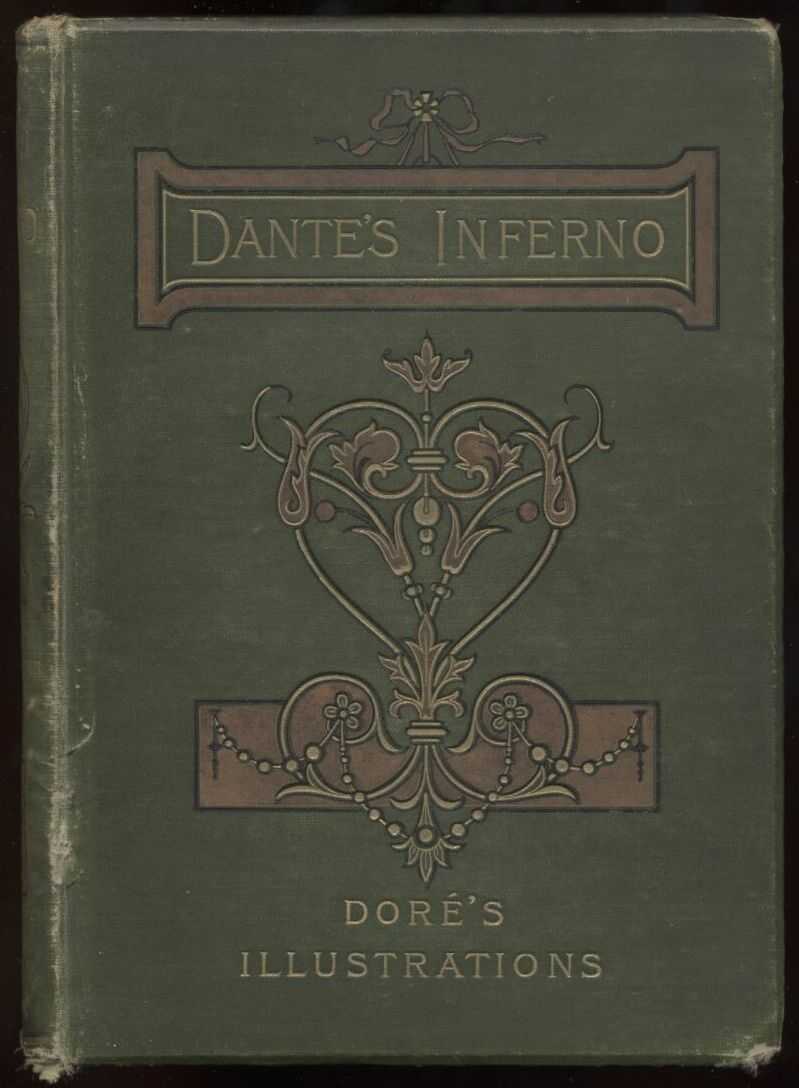
The Divine Comedy by Dante, Illustrated, Hell, Volume 05
The poem presents an allegorical, guided descent through the afterlife's infernal realms, mapping sins to distinct circles where punishments reflect moral culpability. A pilgrim, accompanied by a guide, traverses grotesque landscapes, encounters tormented souls and mythic beings, and receives moral and political commentary that explains the structure of guilt and justice. Vivid sensory descriptions and layered symbolism alternate with encounters that disclose personal histories and ethical lessons, while the journey’s ordered geography and escalating horrors dramatize a Christian vision of retribution and the possibility of moral insight leading beyond suffering.
About This Book
The poem presents an allegorical, guided descent through the afterlife's infernal realms, mapping sins to distinct circles where punishments reflect moral culpability. A pilgrim, accompanied by a guide, traverses grotesque landscapes, encounters tormented souls and mythic beings, and receives moral and political commentary that explains the structure of guilt and justice. Vivid sensory descriptions and layered symbolism alternate with encounters that disclose personal histories and ethical lessons, while the journey’s ordered geography and escalating horrors dramatize a Christian vision of retribution and the possibility of moral insight leading beyond suffering.
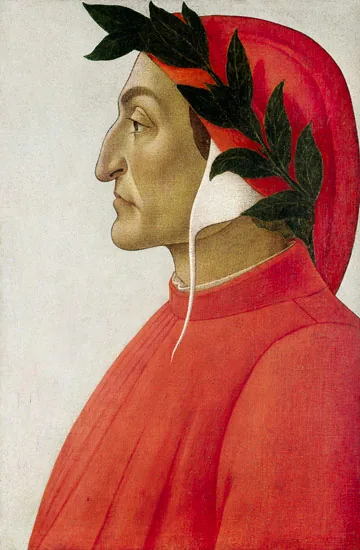
About the Author
More Books by This Author
 Dante's Hel / In proza overgebracht en met een inleiding voorzien
by Dante Alighieri
Dante's Hel / In proza overgebracht en met een inleiding voorzien
by Dante Alighieri
 Dante's Louteringsberg / in proza overgebracht
by Dante Alighieri
Dante's Louteringsberg / in proza overgebracht
by Dante Alighieri
 Die Göttliche Komödie
by Dante Alighieri
Die Göttliche Komödie
by Dante Alighieri
 Divina Commedia di Dante: Inferno
by Dante Alighieri
Divina Commedia di Dante: Inferno
by Dante Alighieri
 Divina Commedia di Dante: Paradiso
by Dante Alighieri
Divina Commedia di Dante: Paradiso
by Dante Alighieri
 Divina Commedia di Dante: Purgatorio
by Dante Alighieri
Divina Commedia di Dante: Purgatorio
by Dante Alighieri
You May Also Like
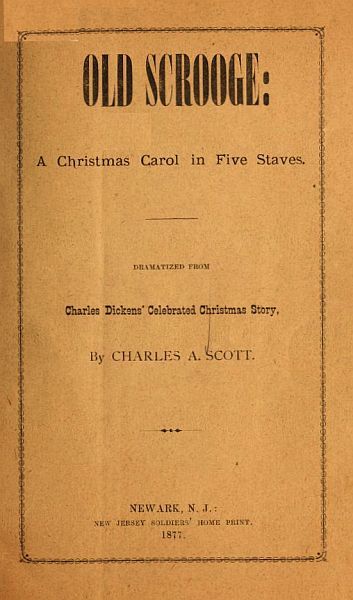 "Old Scrooge": A Christmas Carol in Five Staves. / Dramatized from Charles Dickens' Celebrated Christmas Story.
by Charles Augustus Scott
"Old Scrooge": A Christmas Carol in Five Staves. / Dramatized from Charles Dickens' Celebrated Christmas Story.
by Charles Augustus Scott
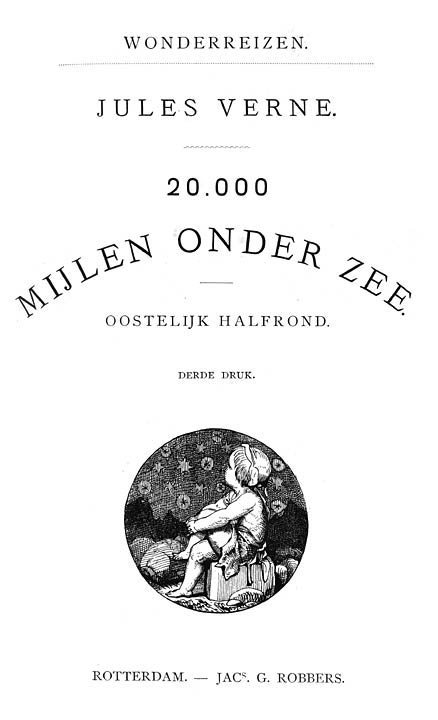 20.000 Mijlen onder Zee: Oostelijk Halfrond
by Jules Verne
20.000 Mijlen onder Zee: Oostelijk Halfrond
by Jules Verne
 20.000 Mijlen onder Zee: Westelijk Halfrond
by Jules Verne
20.000 Mijlen onder Zee: Westelijk Halfrond
by Jules Verne
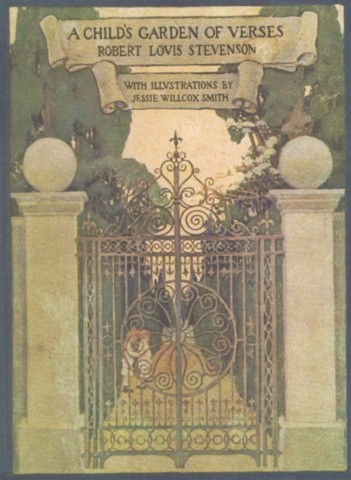 A Child's Garden of Verses
by Robert Louis Stevenson
A Child's Garden of Verses
by Robert Louis Stevenson
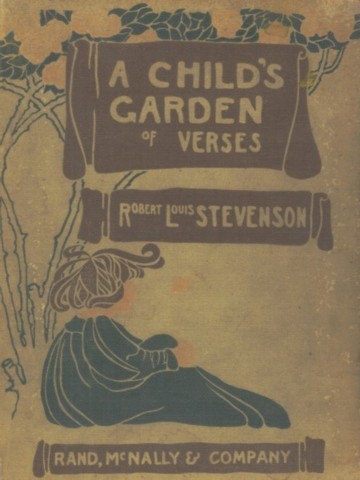 A Child's Garden of Verses
by Robert Louis Stevenson
A Child's Garden of Verses
by Robert Louis Stevenson
 A Child's Garden of Verses
by Robert Louis Stevenson
A Child's Garden of Verses
by Robert Louis Stevenson