
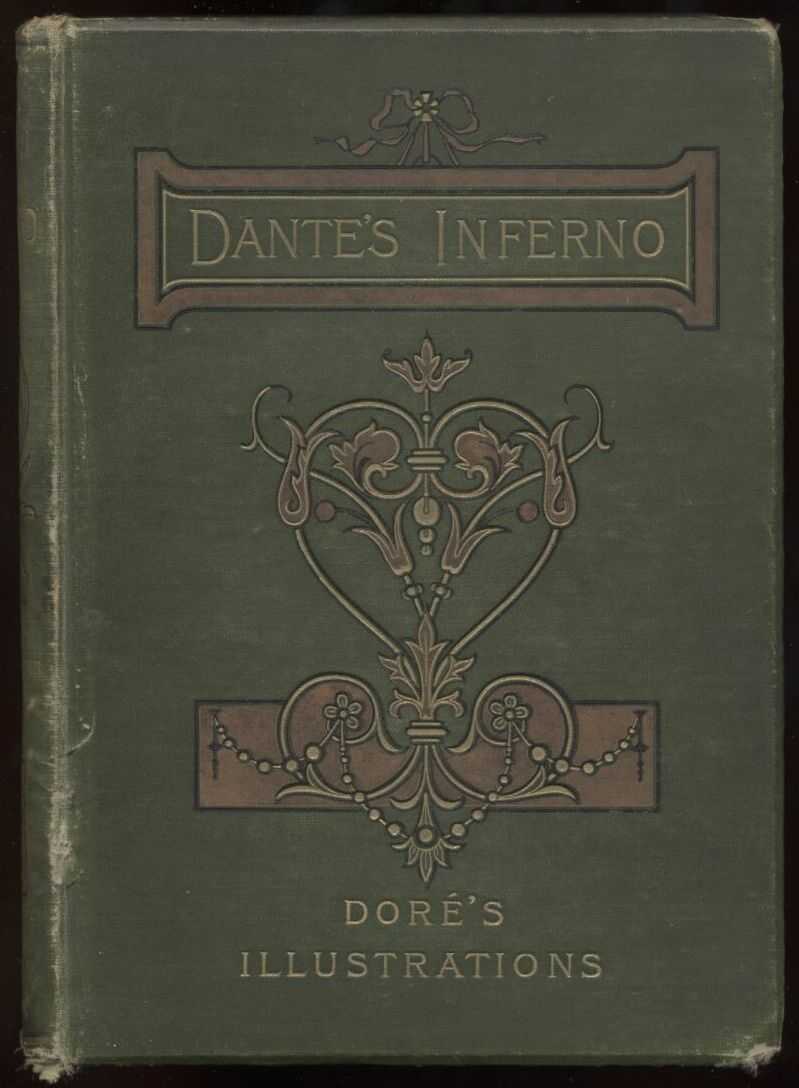
The Divine Comedy by Dante, Illustrated, Hell, Volume 01
The poem follows a pilgrim who, finding himself lost in a dark wood, is guided by a classical poet through the underworld. They descend through concentric circles where sinners receive punishments reflecting their transgressions, and the pilgrim hears testimonies and allegorical explanations that probe moral, political, and theological themes. Encounters with historical and mythical figures illustrate culpability, justice, and the consequences of vice. After reaching the abyssal center and witnessing ultimate evil, the guide leads the pilgrim out toward renewal, setting up a continued ascent through purification and toward heavenly vision.
About This Book
The poem follows a pilgrim who, finding himself lost in a dark wood, is guided by a classical poet through the underworld. They descend through concentric circles where sinners receive punishments reflecting their transgressions, and the pilgrim hears testimonies and allegorical explanations that probe moral, political, and theological themes. Encounters with historical and mythical figures illustrate culpability, justice, and the consequences of vice. After reaching the abyssal center and witnessing ultimate evil, the guide leads the pilgrim out toward renewal, setting up a continued ascent through purification and toward heavenly vision.
About the Author
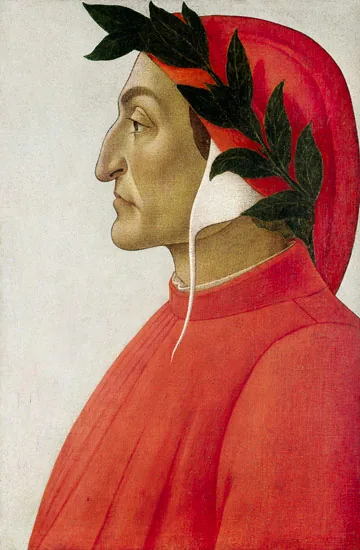
More Books by This Author
 Dante's Hel / In proza overgebracht en met een inleiding voorzien
by Dante Alighieri
Dante's Hel / In proza overgebracht en met een inleiding voorzien
by Dante Alighieri
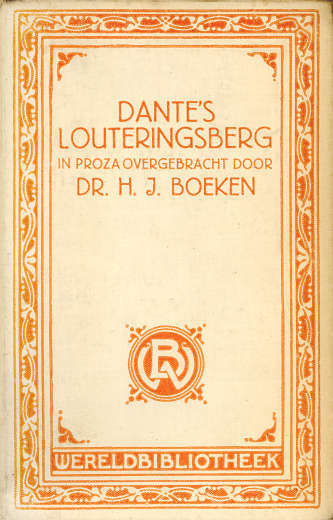 Dante's Louteringsberg / in proza overgebracht
by Dante Alighieri
Dante's Louteringsberg / in proza overgebracht
by Dante Alighieri
 Die Göttliche Komödie
by Dante Alighieri
Die Göttliche Komödie
by Dante Alighieri
 Divina Commedia di Dante: Inferno
by Dante Alighieri
Divina Commedia di Dante: Inferno
by Dante Alighieri
 Divina Commedia di Dante: Paradiso
by Dante Alighieri
Divina Commedia di Dante: Paradiso
by Dante Alighieri
 Divina Commedia di Dante: Purgatorio
by Dante Alighieri
Divina Commedia di Dante: Purgatorio
by Dante Alighieri
You May Also Like
 "Old Scrooge": A Christmas Carol in Five Staves. / Dramatized from Charles Dickens' Celebrated Christmas Story.
by Charles Augustus Scott
"Old Scrooge": A Christmas Carol in Five Staves. / Dramatized from Charles Dickens' Celebrated Christmas Story.
by Charles Augustus Scott
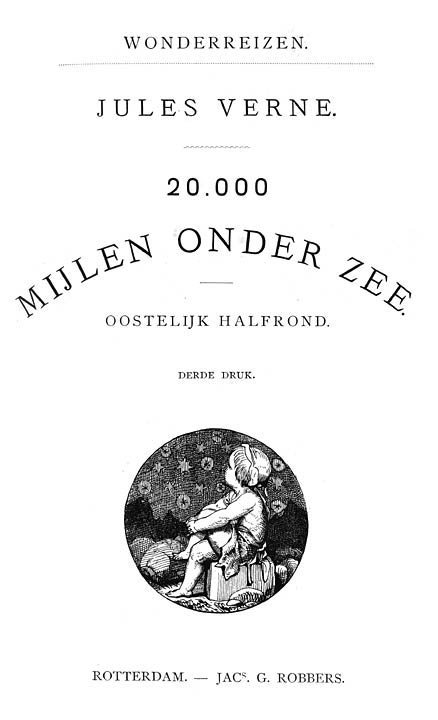 20.000 Mijlen onder Zee: Oostelijk Halfrond
by Jules Verne
20.000 Mijlen onder Zee: Oostelijk Halfrond
by Jules Verne
 20.000 Mijlen onder Zee: Westelijk Halfrond
by Jules Verne
20.000 Mijlen onder Zee: Westelijk Halfrond
by Jules Verne
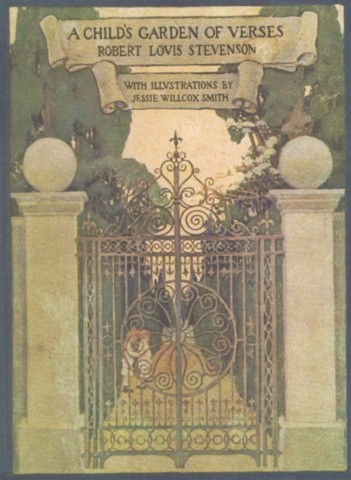 A Child's Garden of Verses
by Robert Louis Stevenson
A Child's Garden of Verses
by Robert Louis Stevenson
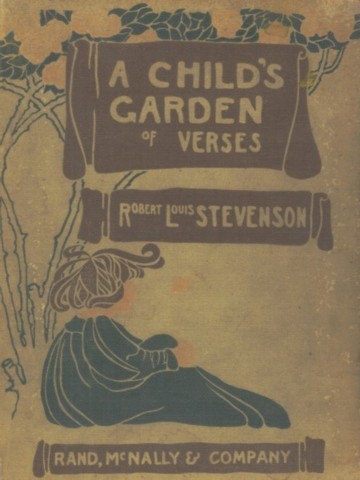 A Child's Garden of Verses
by Robert Louis Stevenson
A Child's Garden of Verses
by Robert Louis Stevenson
 A Child's Garden of Verses
by Robert Louis Stevenson
A Child's Garden of Verses
by Robert Louis Stevenson