
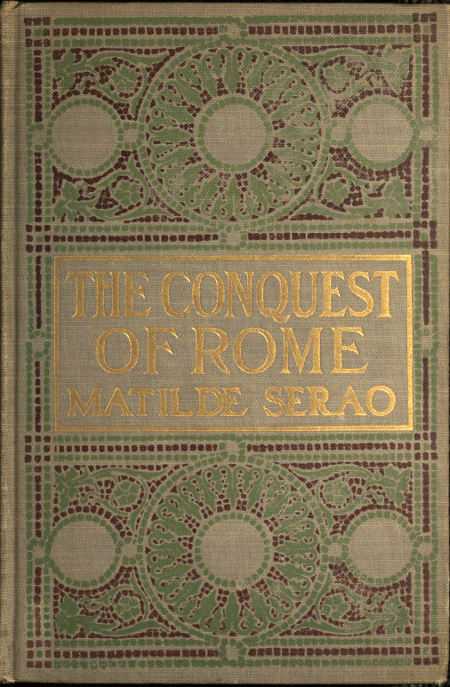
The conquest of Rome
About This Book
The narrative, arranged in three parts, traces a capital city in the midst of political upheaval by moving between public spectacle and private observation. Episodes range from night trains and station platforms to parliamentary ceremonies and the precincts of religious power, portraying crowds, officials, and travellers as participants and witnesses. The prose places ceremonial pageantry alongside intimate moments of calculation and apprehension, showing how institutions, social ritual, and individual ambitions collide and reshape daily life during a time of rapid change.
About the Author

More Books by This Author
6 picks