About This Book
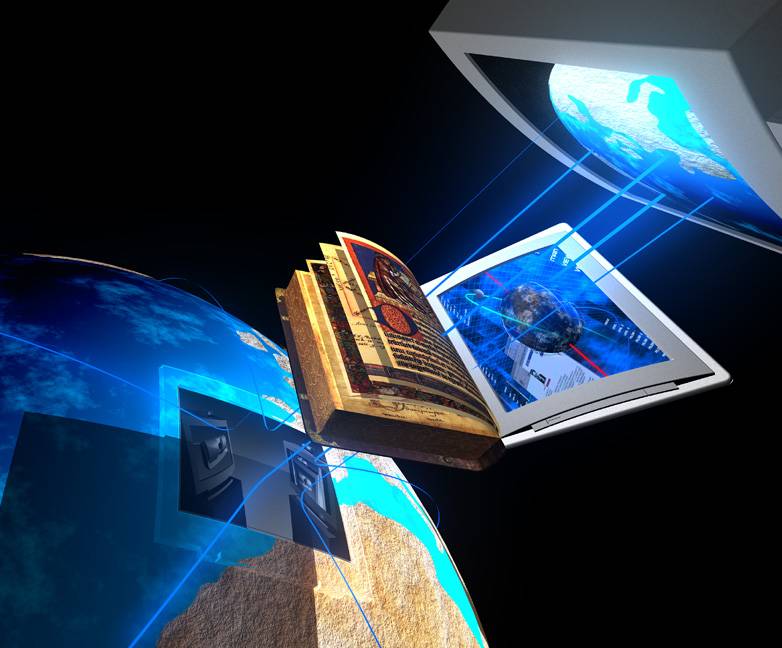
The author traces a cultural shift from alphabet-based literacy toward a media-driven, visually oriented communication environment, arguing that signs, images, and interactive technologies reshape how people think, remember, and act. He examines the transition from orality to writing, language's role as a mediating mechanism, and how market forces, advertising, and workplace technologies create new languages and transient literacies. Chapters explore consequences for education, family life, sexuality, consumption, art, science, and politics, highlighting tensions between permanence and immediacy. Visual culture, computational tools, and networked interaction are presented as both opportunities and challenges for comprehension, creativity, and civic engagement. The book concludes by urging adaptive institutions and critical awareness to navigate an interactive future.
About the Author

More Books by This Author

You May Also Like
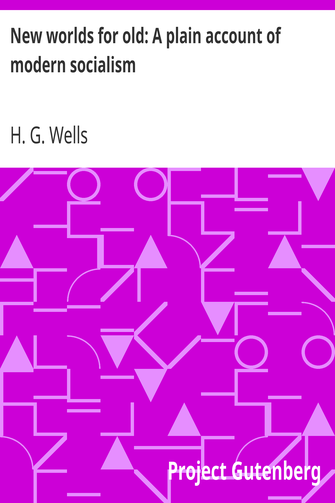 New worlds for old: A plain account of modern socialism
by H. G. Wells
New worlds for old: A plain account of modern socialism
by H. G. Wells
 Le Pape et l'antisémitisme
by Séverine
Le Pape et l'antisémitisme
by Séverine
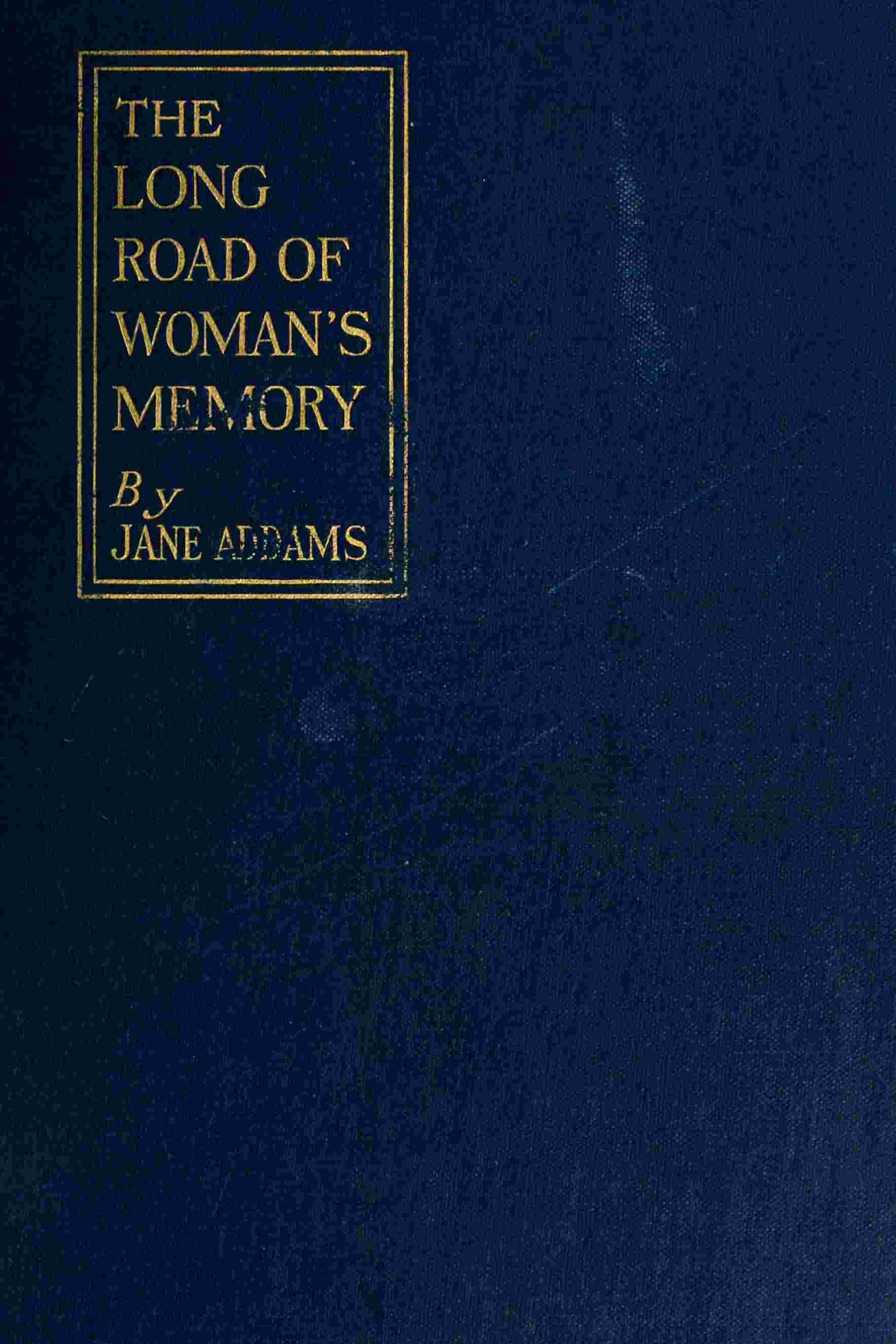 The long road of woman's memory
by Jane Addams
The long road of woman's memory
by Jane Addams
 Euterpe; or, The future of art
by Lionel R. McColvin
Euterpe; or, The future of art
by Lionel R. McColvin
 Human Work
by Charlotte Perkins Gilman
Human Work
by Charlotte Perkins Gilman
 The Employments of Women: A Cyclopædia of Woman's Work
by Virginia Penny
The Employments of Women: A Cyclopædia of Woman's Work
by Virginia Penny