About This Book
A nobleman recognizes a woman he once wronged when she stands trial, and his attempt to atone triggers a deep moral reckoning. The narrative follows courtroom and prison proceedings, contrasting urban and rural life to expose social inequalities and institutional failures. Witnessing suffering and confronting his conscience, the protagonist moves through religious reflection toward spiritual renewal, renouncing former comforts and seeking a more ethical existence. The work examines guilt, responsibility, forgiveness, and redemption while persistently criticizing legal, social, and religious institutions that impede compassion and moral transformation.
About the Author

More Books by This Author
6 picks
 "Bethink Yourselves!"
by graf Leo Tolstoy
"Bethink Yourselves!"
by graf Leo Tolstoy
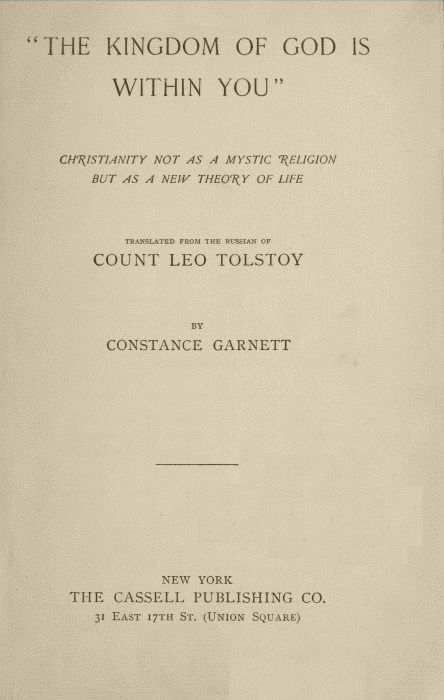 "The Kingdom of God Is Within You" / Christianity Not as a Mystic Religion but as a New Theory of Life
by graf Leo Tolstoy
"The Kingdom of God Is Within You" / Christianity Not as a Mystic Religion but as a New Theory of Life
by graf Leo Tolstoy
 A Letter to a Hindu
by graf Leo Tolstoy
A Letter to a Hindu
by graf Leo Tolstoy
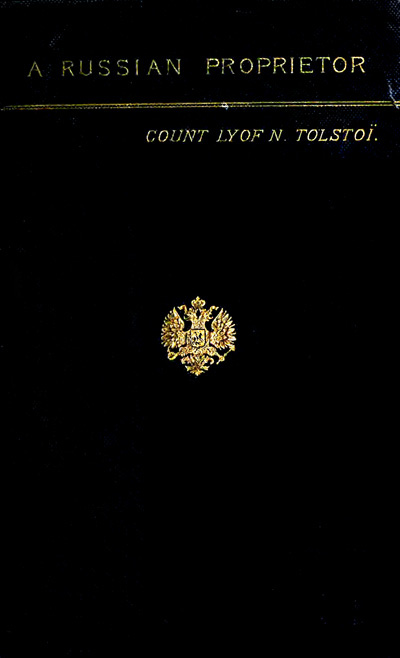 A Russian Proprietor, and Other Stories
by graf Leo Tolstoy
A Russian Proprietor, and Other Stories
by graf Leo Tolstoy
 Anna Karenina
by graf Leo Tolstoy
Anna Karenina
by graf Leo Tolstoy
 Anna Karénine, Tome I
by graf Leo Tolstoy
Anna Karénine, Tome I
by graf Leo Tolstoy
You May Also Like
6 picks