
About This Book
A paper presents the practical art of technical invention, emphasizing its commercial value and the role of patents as legal monopolies that create wealth. It argues that invention combines imaginative leaps with systematic research, reasoning, and iterative experiment, and that most innovations evolve from prior forms rather than appearing fully formed. The essay treats inventive ability as cultivable, recommends disciplined methods to shorten the creative leap, and examines how industry uses patent protection and organized inventive effort to maintain advantage. It also outlines legal standards distinguishing mere logical inference from the creative contribution necessary for patentability.
About the Author

You May Also Like
6 picks
 The Lure of the Pen: A Book for Would-Be Authors
by Flora Klickmann
The Lure of the Pen: A Book for Would-Be Authors
by Flora Klickmann
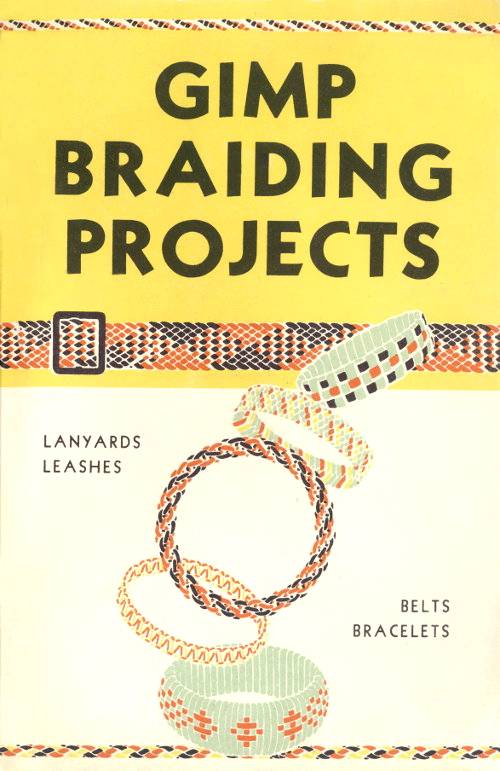 Gimp Braiding Projects
by Charles E. White
Gimp Braiding Projects
by Charles E. White
 How to Live a Holy Life
by Charles Ebert Orr
How to Live a Holy Life
by Charles Ebert Orr
 On the Construction of Catalogues of Libraries and Their Publication by Means of Separate, Stereotyped Titles / With Rules and Examples
by Charles C. Jewett
On the Construction of Catalogues of Libraries and Their Publication by Means of Separate, Stereotyped Titles / With Rules and Examples
by Charles C. Jewett
 Hand-book for horsewomen
by Henri Lucien de Bussigny
Hand-book for horsewomen
by Henri Lucien de Bussigny
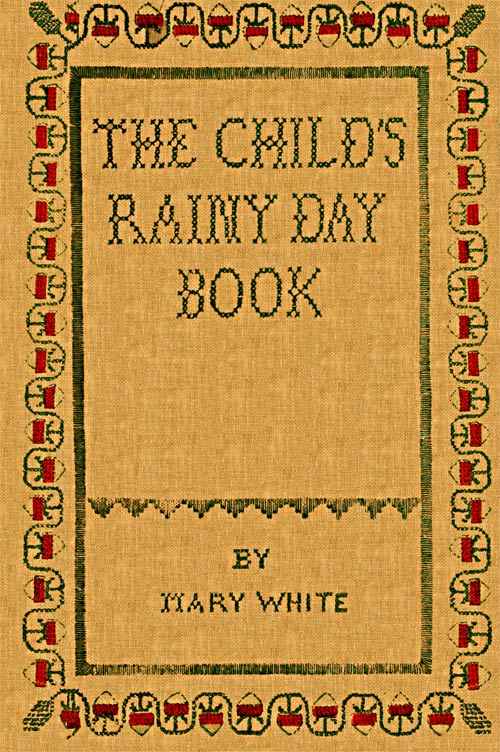 The Child's Rainy Day Book
by Mary White
The Child's Rainy Day Book
by Mary White