

About This Book
The book offers a sustained critique of modern industrial society's prioritization of individual acquisition over social function, arguing that institutions protect economic rights while neglecting obligations and the social purposes of work. It contrasts this acquisitive model with the idea of a functional society in which remuneration and property are linked to the discharge of social responsibilities and creative contribution. The analysis traces consequences of the acquisitive ethos — weakened moral limits, managerial and professional disorders, inefficiencies, and a vicious circle that undermines true productivity — and examines reforms: redefining property and industry, promoting industrial professionalism, and reorganizing rewards to align incentive with public service and collective efficiency.
About the Author

More Books by This Author
You May Also Like
 Creation and Its Records / A Brief Statement of Christian Belief with Reference to Modern Facts and Ancient Scripture
by B. H. Baden-Powell
Creation and Its Records / A Brief Statement of Christian Belief with Reference to Modern Facts and Ancient Scripture
by B. H. Baden-Powell
 My further disillusionment in Russia
by Emma Goldman
My further disillusionment in Russia
by Emma Goldman
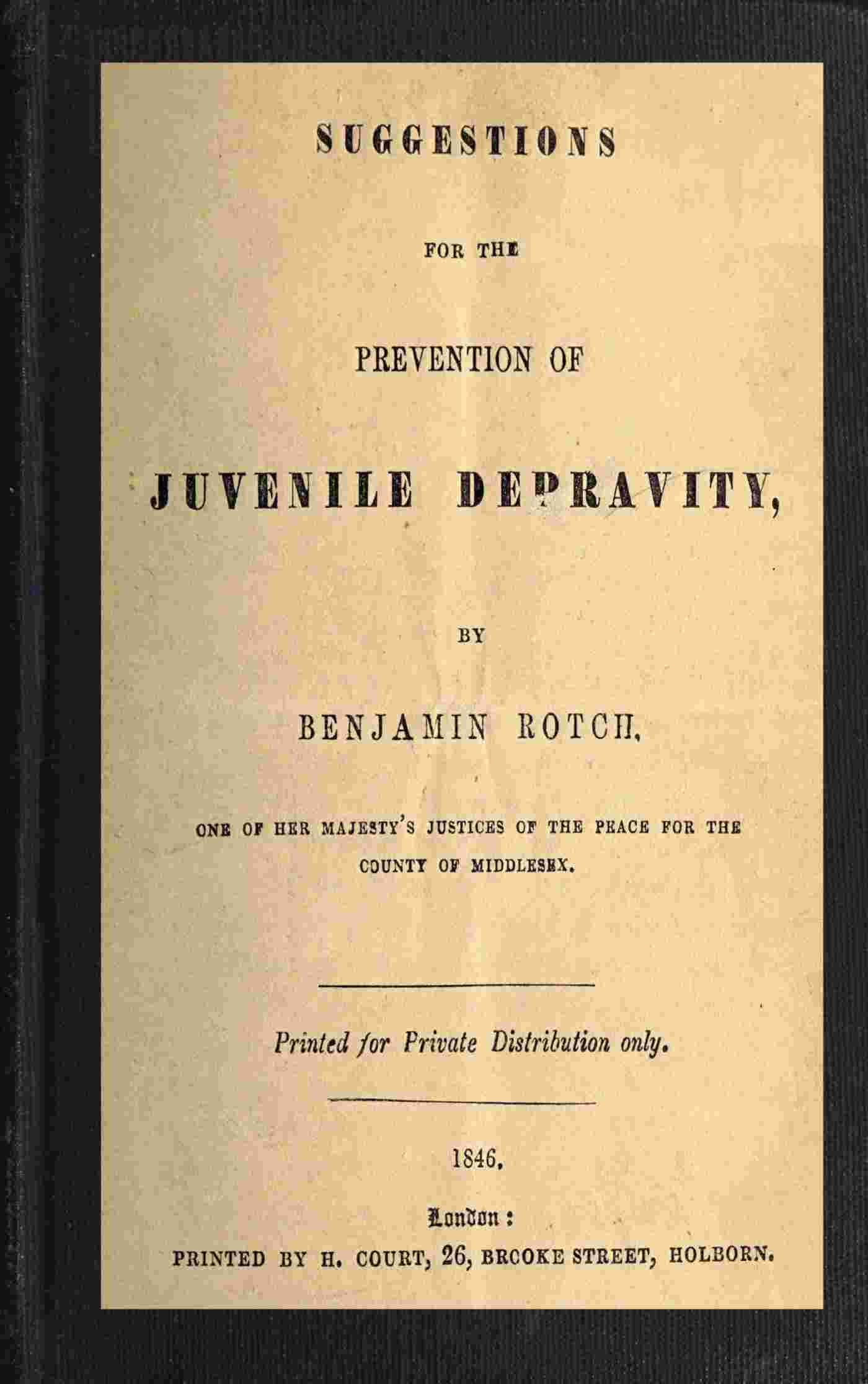 Suggestions for the Prevention of Juvenile Depravity
by Benjamin Rotch
Suggestions for the Prevention of Juvenile Depravity
by Benjamin Rotch
 Art
by Auguste Rodin
Art
by Auguste Rodin
 On the Philosophy of Discovery, Chapters Historical and Critical
by William Whewell
On the Philosophy of Discovery, Chapters Historical and Critical
by William Whewell
 Supernatural Religion, Vol. 3 (of 3) / An Inquiry into the Reality of Divine Revelation
by Walter Richard Cassels
Supernatural Religion, Vol. 3 (of 3) / An Inquiry into the Reality of Divine Revelation
by Walter Richard Cassels