
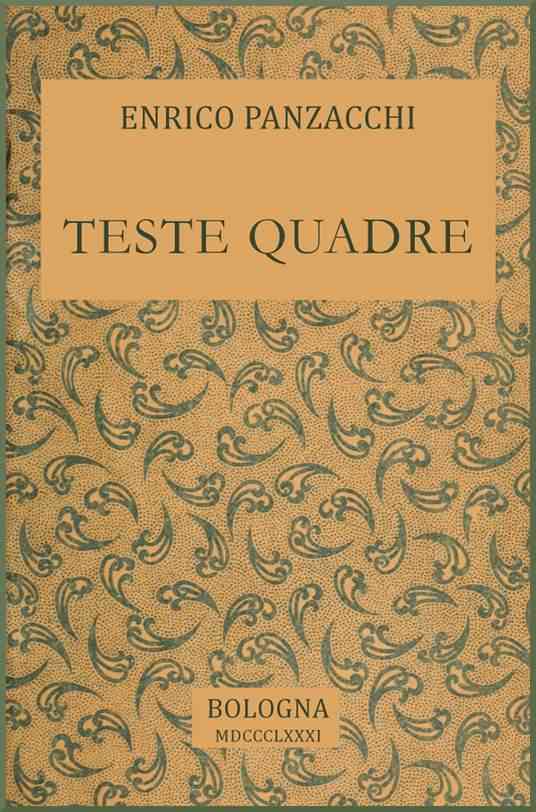
About This Book
The author examines the role of critical intellect in creating scientific revolutions, using Galileo as a central example. He contrasts a meticulous, doctrinal criticism that reforms form with a transformative critique that alters scientific substance, and argues that Galileo combined rigorous experimental practice with mathematical reasoning to inaugurate a new scientific approach. The essay situates this intellectual shift among other Renaissance thinkers, compares differing assessments of Galileo's methods, and emphasizes the importance of properly posed problems and methodological clarity for advancing knowledge.
About the Author
More Books by This Author
5 picks
You May Also Like
6 picks
 Critiques and Addresses
by Thomas Henry Huxley
Critiques and Addresses
by Thomas Henry Huxley
 Introduction to the Philosophy and Writings of Plato
by Thomas Taylor
Introduction to the Philosophy and Writings of Plato
by Thomas Taylor
 Areopagitica / A Speech for the Liberty of Unlicensed Printing to the Parliament of England
by John Milton
Areopagitica / A Speech for the Liberty of Unlicensed Printing to the Parliament of England
by John Milton
 The Jericho Road
by W. Bion Adkins
The Jericho Road
by W. Bion Adkins
 A New Catalogue of Vulgar Errors
by Stephen Fovargue
A New Catalogue of Vulgar Errors
by Stephen Fovargue
 Les sentiers dans la montagne
by Maurice Maeterlinck
Les sentiers dans la montagne
by Maurice Maeterlinck