

About This Book
The narrative takes place on a Western rancho where rich landscape detail frames a compact social drama. It follows Susy and the circle of visitors and householders who negotiate hospitality, rumor, and financial schemes, while a young man’s uneasy encounters and a judge’s uneasy authority reveal competing claims and pride. Cultural tensions with local laborers, disputes over possession, and the pressure of social ambition push characters toward departures and reckonings. Vivid setting contrasts with intimate domestic moments as the story balances regional color with understated moral and emotional consequences.
About the Author
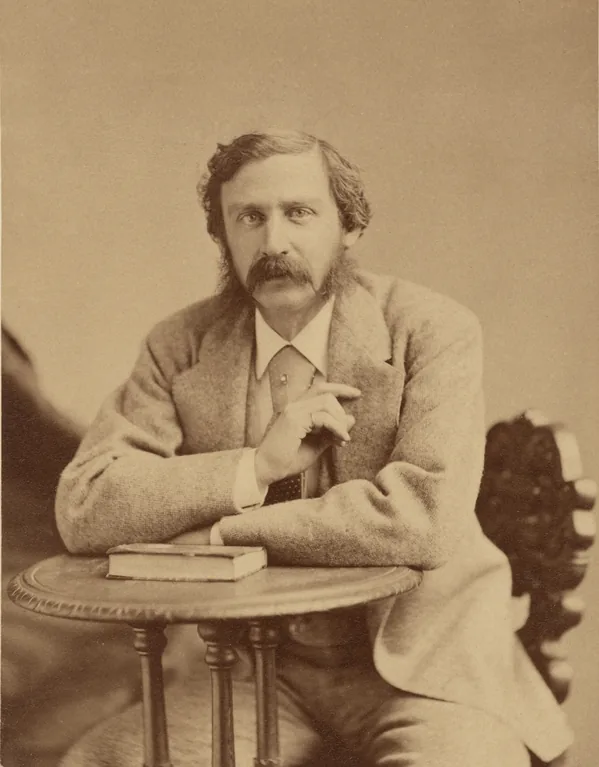
More Books by This Author
6 picks





You May Also Like
6 picks
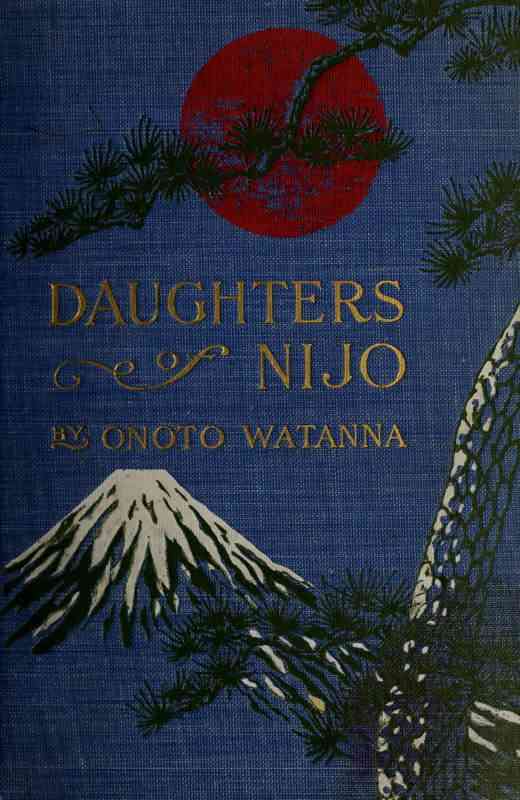 Daughters of Nijo: A Romance of Japan
by Onoto Watanna
Daughters of Nijo: A Romance of Japan
by Onoto Watanna
 Philosophy 4: A Story of Harvard University
by Owen Wister
Philosophy 4: A Story of Harvard University
by Owen Wister
 The Lion's Whelp: A Story of Cromwell's Time
by Amelia E. Barr
The Lion's Whelp: A Story of Cromwell's Time
by Amelia E. Barr
 Penelope's English Experiences / Being Extracts from the Commonplace Book of Penelope Hamilton
by Kate Douglas Smith Wiggin
Penelope's English Experiences / Being Extracts from the Commonplace Book of Penelope Hamilton
by Kate Douglas Smith Wiggin
 In the Saddle
by Oliver Optic
In the Saddle
by Oliver Optic
 Snow-Blind
by Katharine Newlin Burt
Snow-Blind
by Katharine Newlin Burt