
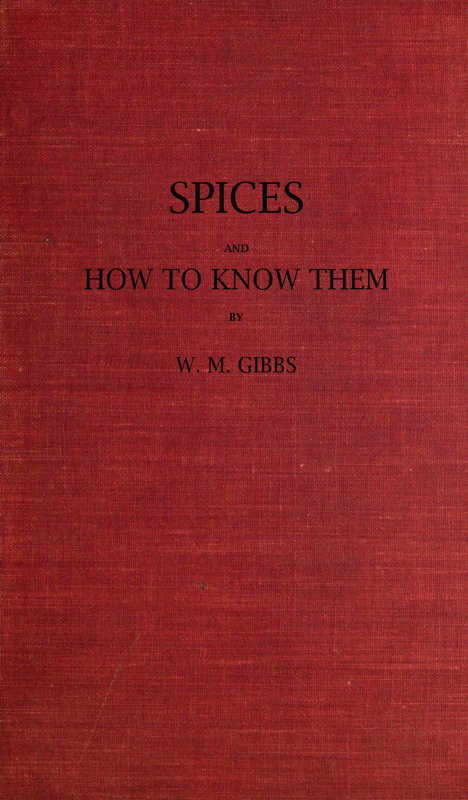
About This Book
The work surveys the origin, cultivation, trade, and uses of common spices, traces their early history and centers of production, and gives practical guidance on identifying and detecting adulteration. It explains laboratory tests, starch detection, reagents and apparatus, and chemical composition, then presents individual chapters describing characteristics, grades, and quality problems for black and white pepper, long pepper, capsicum, pimento, cinnamon and cassia, cloves, ginger, nutmeg and mace, mustard, and culinary herbs. Aimed at dealers, millers, and consumers, it combines botanical, commercial, and analytical information to help recognize pure spices and avoid fraud.
About the Author

You May Also Like
6 picks
 Seeing Lincoln
by Anne Longman
Seeing Lincoln
by Anne Longman
 The Doctrine and Practice of Yoga / Including the Practices and Exercises of Concentration, both Objective and Subjective, and Active and Passive Mentation, an Elucidation of Maya, Guru Worship, and the Worship of the Terrible, also the Mystery of Will-Force
by swámi A. P. Mukerji
The Doctrine and Practice of Yoga / Including the Practices and Exercises of Concentration, both Objective and Subjective, and Active and Passive Mentation, an Elucidation of Maya, Guru Worship, and the Worship of the Terrible, also the Mystery of Will-Force
by swámi A. P. Mukerji
 How to Eat: A Cure for "Nerves"
by Thomas C. Hinkle
How to Eat: A Cure for "Nerves"
by Thomas C. Hinkle
 De Nederlandsche Geslachtsnamen in Oorsprong, Geschiedenis en Beteekenis
by Johan Winkler
De Nederlandsche Geslachtsnamen in Oorsprong, Geschiedenis en Beteekenis
by Johan Winkler
 Cottage Building in Cob, Pisé, Chalk and Clay: A Renaissance (2nd edition)
by Clough Williams-Ellis
Cottage Building in Cob, Pisé, Chalk and Clay: A Renaissance (2nd edition)
by Clough Williams-Ellis
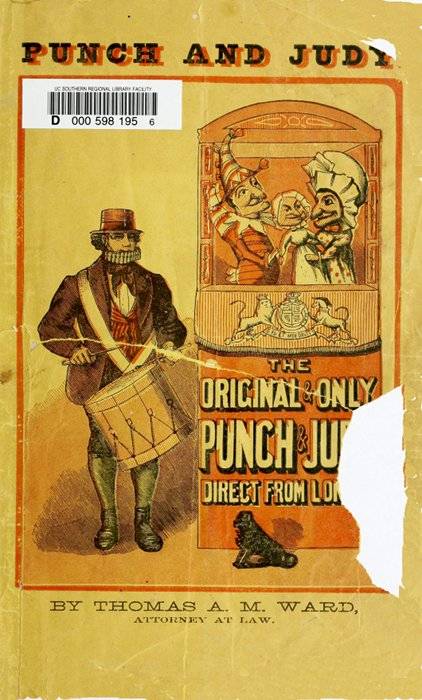 Punch and Judy, with Instructions How to Manage the Little Wooden Actors / Containing New and Easy Dialogues Arranged for the Use of Beginners, Desirous to Learn How to Work the Puppets. For Sunday Schools, Private Parties, Festivals and Parlor Entertainments.
by Thomas A. M. Ward
Punch and Judy, with Instructions How to Manage the Little Wooden Actors / Containing New and Easy Dialogues Arranged for the Use of Beginners, Desirous to Learn How to Work the Puppets. For Sunday Schools, Private Parties, Festivals and Parlor Entertainments.
by Thomas A. M. Ward