About This Book
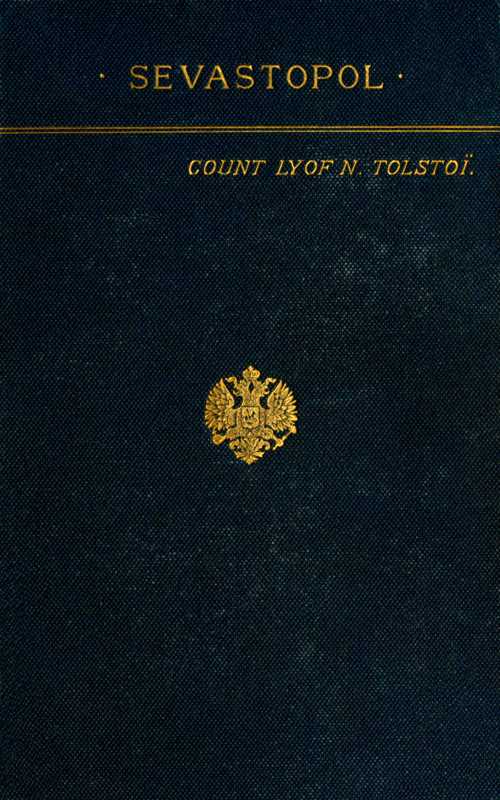
A triptych of wartime sketches portrays life under a protracted siege, alternating intense, minute-by-minute battle scenes with quieter depictions of camp life, hospitals, and city streets. Graphic sensory detail—artillery fire, smoke, mud, and exhaustion—conveys the physical toll of modern conflict, while reflective passages interrogate notions of duty, heroism, and the moral bewilderment experienced by participants and bystanders. The work blends close observational realism with philosophical meditation, tracing how routine, fear, and bureaucratic orders shape individual behavior amid large-scale violence.
About the Author

More Books by This Author
6 picks
 "Bethink Yourselves!"
by graf Leo Tolstoy
"Bethink Yourselves!"
by graf Leo Tolstoy
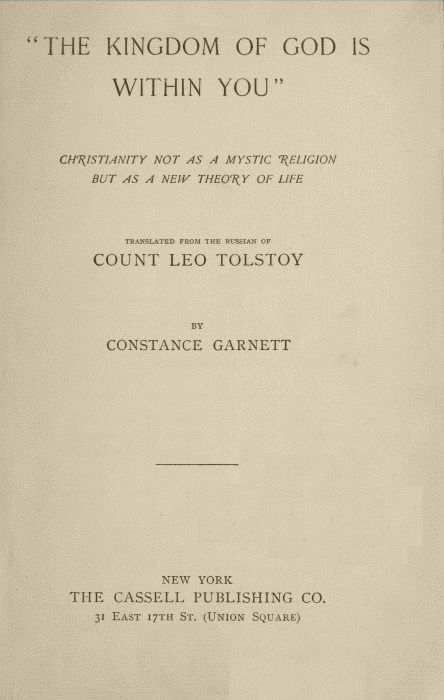 "The Kingdom of God Is Within You" / Christianity Not as a Mystic Religion but as a New Theory of Life
by graf Leo Tolstoy
"The Kingdom of God Is Within You" / Christianity Not as a Mystic Religion but as a New Theory of Life
by graf Leo Tolstoy
 A Letter to a Hindu
by graf Leo Tolstoy
A Letter to a Hindu
by graf Leo Tolstoy
 A Russian Proprietor, and Other Stories
by graf Leo Tolstoy
A Russian Proprietor, and Other Stories
by graf Leo Tolstoy
 Anna Karenina
by graf Leo Tolstoy
Anna Karenina
by graf Leo Tolstoy
 Anna Karénine, Tome I
by graf Leo Tolstoy
Anna Karénine, Tome I
by graf Leo Tolstoy
You May Also Like
6 picks