
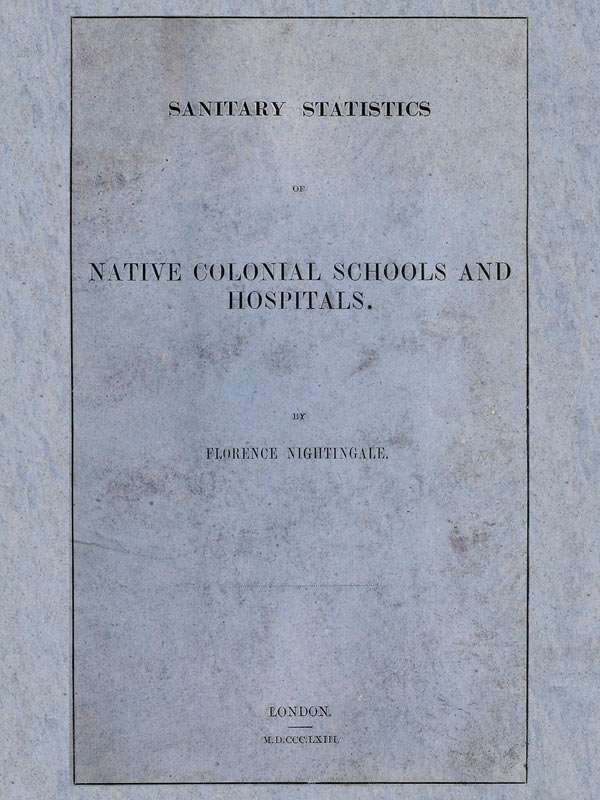
Sanitary Statistics of Native Colonial Schools and Hospitals
Explore more books like this:
About This Book
The author compiles and analyzes returns from numerous colonial schools and training institutions to document attendance, age distribution, and mortality patterns. Results show higher death rates than those of comparable children at home, with infectious childhood epidemics dominating in some regions while tubercular disease is prominent in particular institutions. The analysis connects elevated mortality to poor building construction, inadequate ventilation, unsanitary surroundings, long instructional periods, and scarce play or physical education. It also highlights inconsistent, incomplete record-keeping and concludes that the available statistical material is insufficient to yield fully reliable practical guidance.
About the Author

More Books by This Author
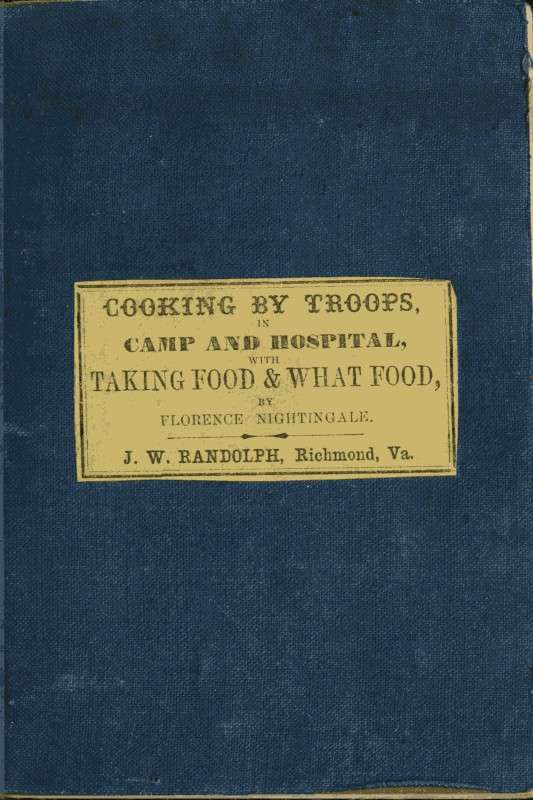 Directions for Cooking by Troops, in Camp and Hospital / Prepared for the Army of Virginia, and published by order of the Surgeon General, with essays on "taking food," and "what food."
by Florence Nightingale
Directions for Cooking by Troops, in Camp and Hospital / Prepared for the Army of Virginia, and published by order of the Surgeon General, with essays on "taking food," and "what food."
by Florence Nightingale
 Florence Nightingale to Her Nurses / A selection from Miss Nightingale's addresses to probationers and nurses of the Nightingale school at St. Thomas's hospital
by Florence Nightingale
Florence Nightingale to Her Nurses / A selection from Miss Nightingale's addresses to probationers and nurses of the Nightingale school at St. Thomas's hospital
by Florence Nightingale
 Introductory notes on lying-in institutions
by Florence Nightingale
Introductory notes on lying-in institutions
by Florence Nightingale
 Notes on Nursing: What It Is, and What It Is Not
by Florence Nightingale
Notes on Nursing: What It Is, and What It Is Not
by Florence Nightingale
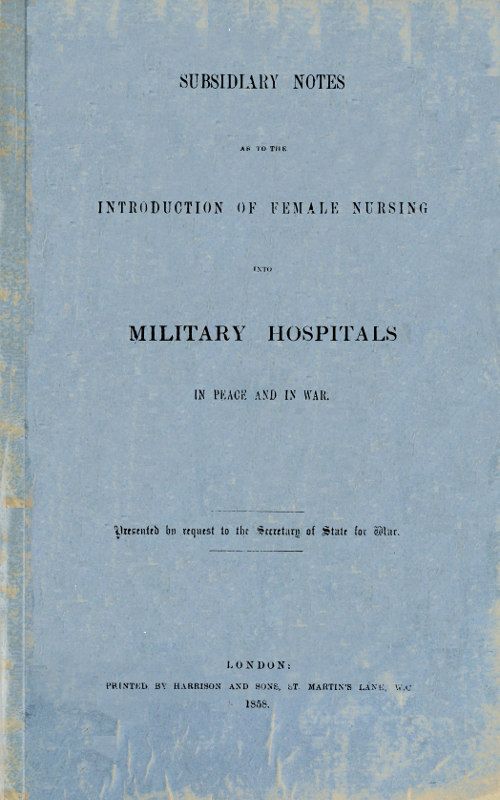 Subsidiary Notes as to the Introduction of Female Nursing into Military Hospitals in Peace and War
by Florence Nightingale
Subsidiary Notes as to the Introduction of Female Nursing into Military Hospitals in Peace and War
by Florence Nightingale
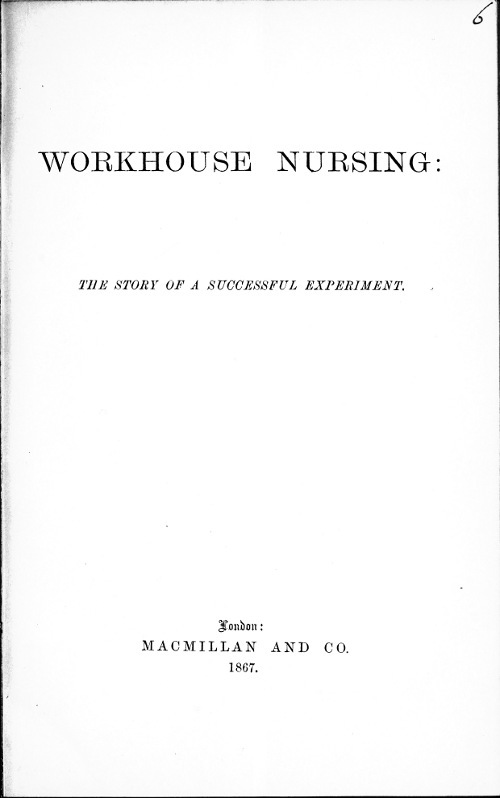 Workhouse Nursing: The story of a successful experiment
by Florence Nightingale
Workhouse Nursing: The story of a successful experiment
by Florence Nightingale
You May Also Like
 The Psychology of Singing / A Rational Method of Voice Culture Based on a Scientific Analysis of All Systems, Ancient and Modern
by David C. Taylor
The Psychology of Singing / A Rational Method of Voice Culture Based on a Scientific Analysis of All Systems, Ancient and Modern
by David C. Taylor
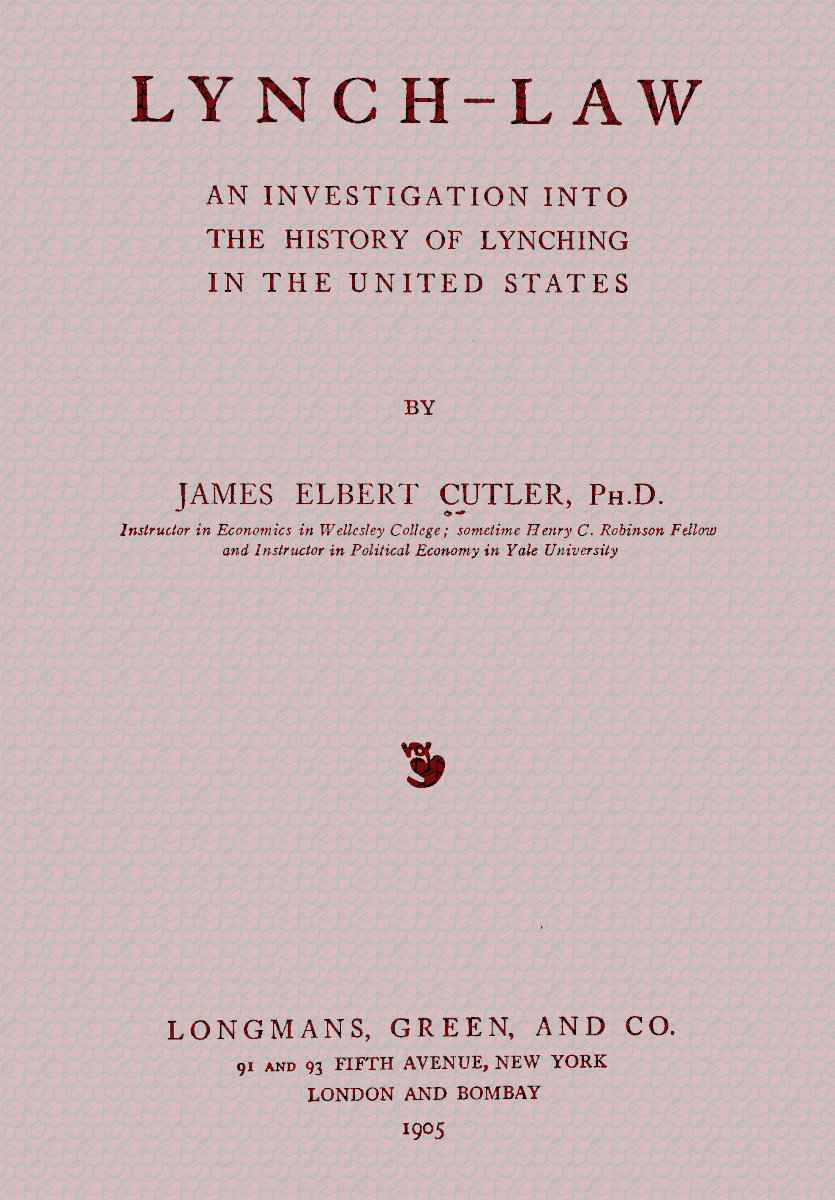 Lynch-law; an investigation into the history of lynching in the United States
by James Elbert Cutler
Lynch-law; an investigation into the history of lynching in the United States
by James Elbert Cutler
 Some Naval Yarns
by Mordaunt Hall
Some Naval Yarns
by Mordaunt Hall
 The American Revolution
by John Fiske
The American Revolution
by John Fiske
 Epidemics Resulting from Wars
by Friedrich Prinzing
Epidemics Resulting from Wars
by Friedrich Prinzing
 Theodore Roosevelt and His Times: A Chronicle of the Progressive Movement
by Harold Howland
Theodore Roosevelt and His Times: A Chronicle of the Progressive Movement
by Harold Howland