
About This Book
A foreign correspondent records a chronological sequence of observations and conversations from Petrograd and Moscow during the early Soviet period, focusing on meetings of Soviet organs, committee proceedings, and interactions with Bolshevik leaders including notes of talks with Lenin. The account lays out debates over agrarian and economic policies, the constraints of war, isolation, and disease, and the practical efforts at reconstruction. The author frames the material as reportage rather than propaganda, stresses the visible vitality and creative drive in the capital, and candidly notes omissions and the limits of his economic expertise.
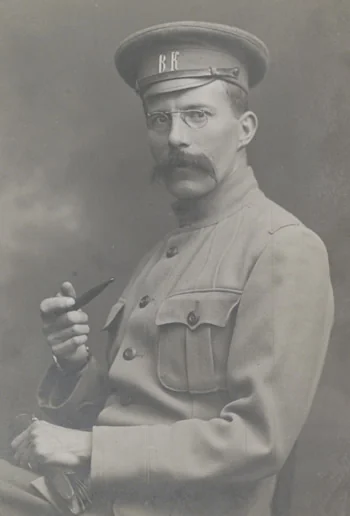
About the Author
More Books by This Author
6 picks
 A History of Story-telling: Studies in the development of narrative
by Arthur Ransome
A History of Story-telling: Studies in the development of narrative
by Arthur Ransome
 Old Peter's Russian Tales
by Arthur Ransome
Old Peter's Russian Tales
by Arthur Ransome
 Oscar Wilde, a Critical Study
by Arthur Ransome
Oscar Wilde, a Critical Study
by Arthur Ransome
 Pond and Stream
by Arthur Ransome
Pond and Stream
by Arthur Ransome
 Portraits and Speculations
by Arthur Ransome
Portraits and Speculations
by Arthur Ransome
 The Child's Book of the Seasons
by Arthur Ransome
The Child's Book of the Seasons
by Arthur Ransome
You May Also Like
6 picks
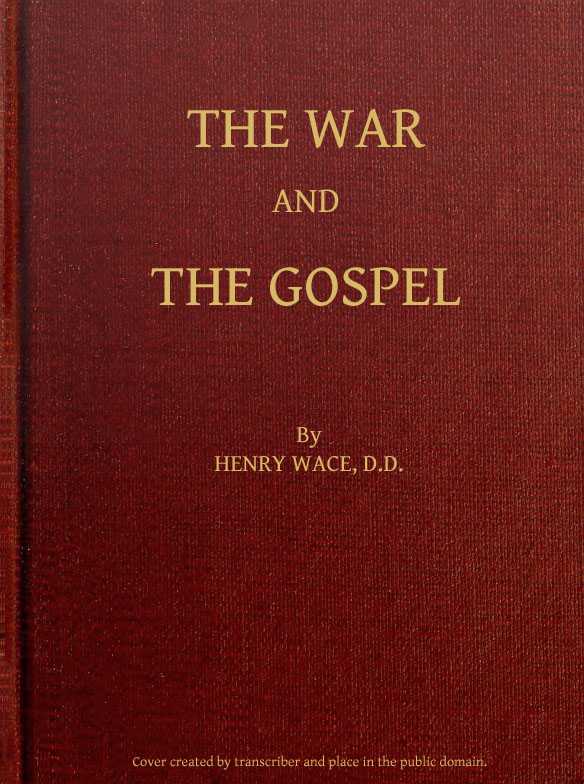 The War and the Gospel: Sermons and Addresses During the Present War
by Henry Wace
The War and the Gospel: Sermons and Addresses During the Present War
by Henry Wace
 40 years / 40 años / 40 ans
by Marie Lebert
40 years / 40 años / 40 ans
by Marie Lebert
 Mémoires pour servir à l'Histoire de France sous Napoléon, Tome 1/2 / écrits à Sainte-Hélène par les généraux qui ont partagé sa captivité
by Baron Gaspard Gourgaud
Mémoires pour servir à l'Histoire de France sous Napoléon, Tome 1/2 / écrits à Sainte-Hélène par les généraux qui ont partagé sa captivité
by Baron Gaspard Gourgaud
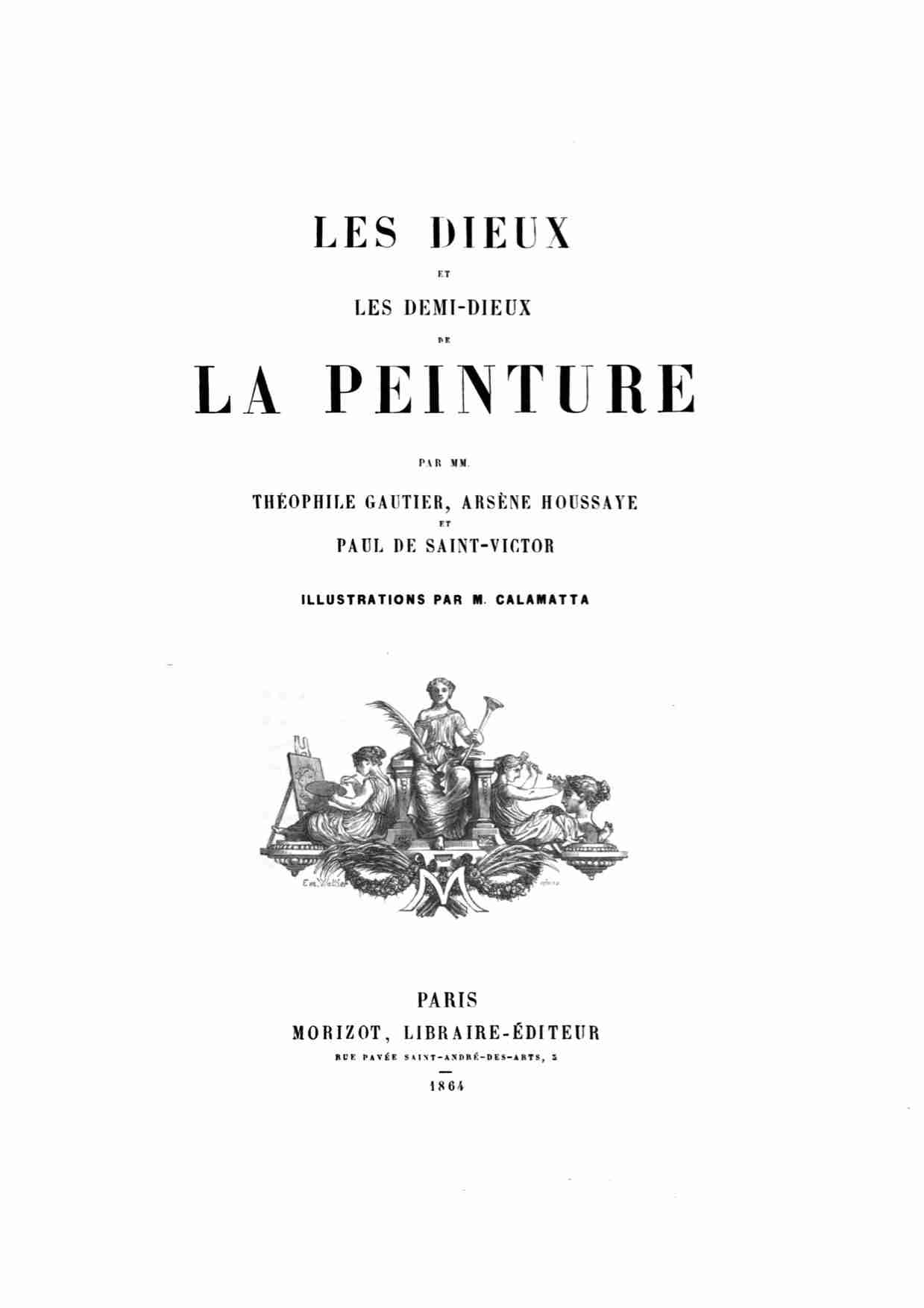 Les Dieux et les Demi-Dieux de la Peinture
by Théophile Gautier
Les Dieux et les Demi-Dieux de la Peinture
by Théophile Gautier
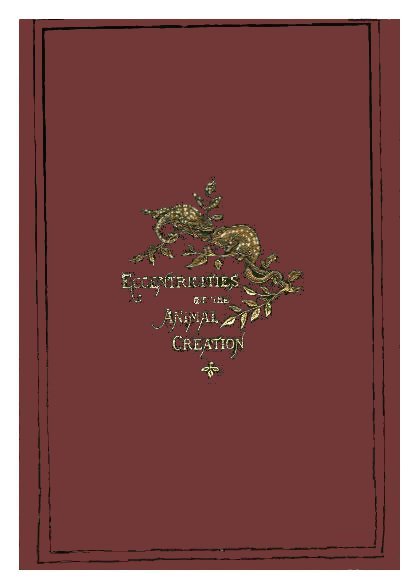 Eccentricities of the Animal Creation.
by John Timbs
Eccentricities of the Animal Creation.
by John Timbs
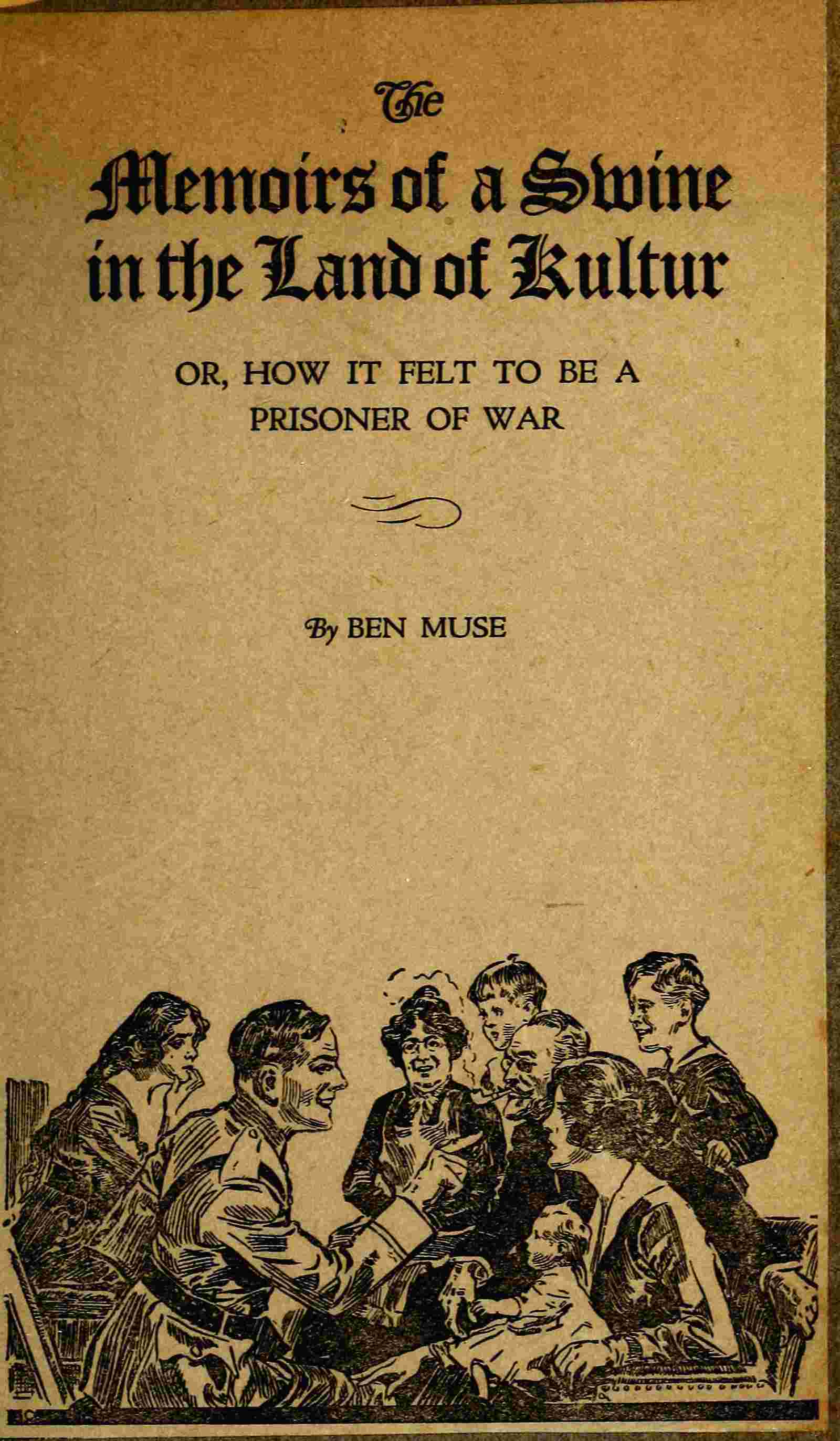 The Memoirs of a Swine in the Land of Kultur; or, How it Felt to be a Prisoner of War
by Benjamin Muse
The Memoirs of a Swine in the Land of Kultur; or, How it Felt to be a Prisoner of War
by Benjamin Muse