
About This Book
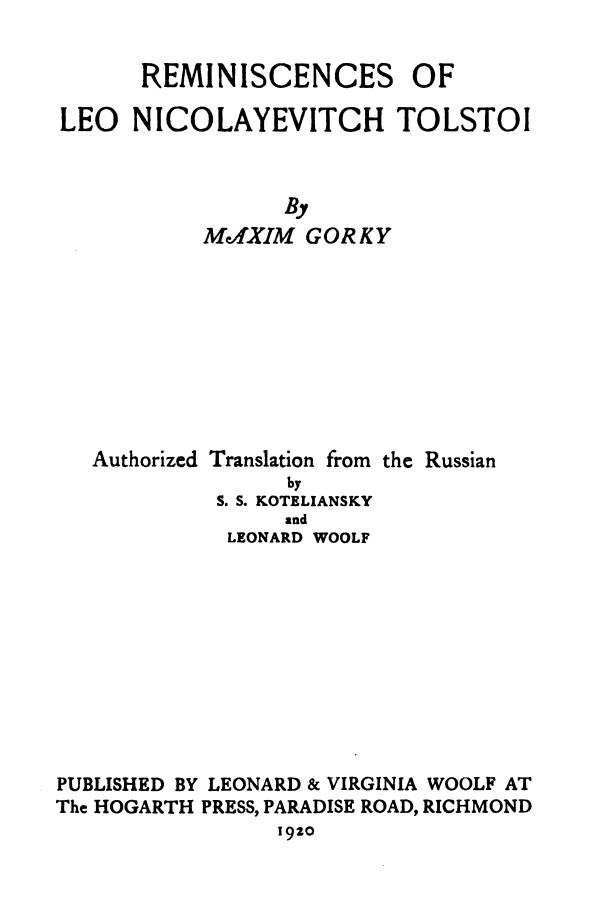
The author assembles fragmentary notes and an unfinished letter recounting personal encounters with a celebrated novelist during a period of illness and withdrawal. Vignettes portray bodily details, gestures, and mannered conversation alongside reflections on God, freedom, Buddhism, music, and literary peers. He observes the subject's tenderness toward companions and impatience with ideological extremes, records aphoristic judgments and anecdotes, and contrasts public stature with private humility. The collection emphasizes immediacy and intimacy over chronology, offering warm, candid snapshots rather than a comprehensive life narrative.
About the Author
More Books by This Author
6 picks





You May Also Like
6 picks
 Reminiscences of a Soldier of the Orphan Brigade
by Lot D. Young
Reminiscences of a Soldier of the Orphan Brigade
by Lot D. Young
 Anne Bradstreet and Her Time
by Helen Campbell
Anne Bradstreet and Her Time
by Helen Campbell
 Free as in Freedom: Richard Stallman's Crusade for Free Software
by Sam Williams
Free as in Freedom: Richard Stallman's Crusade for Free Software
by Sam Williams
 Memoirs of General William T. Sherman — Complete
by William T. Sherman
Memoirs of General William T. Sherman — Complete
by William T. Sherman
 Expédition des dix mille
by Xenophon
Expédition des dix mille
by Xenophon
 The Little Angel, and Other Stories
by Leonid Andreyev
The Little Angel, and Other Stories
by Leonid Andreyev