
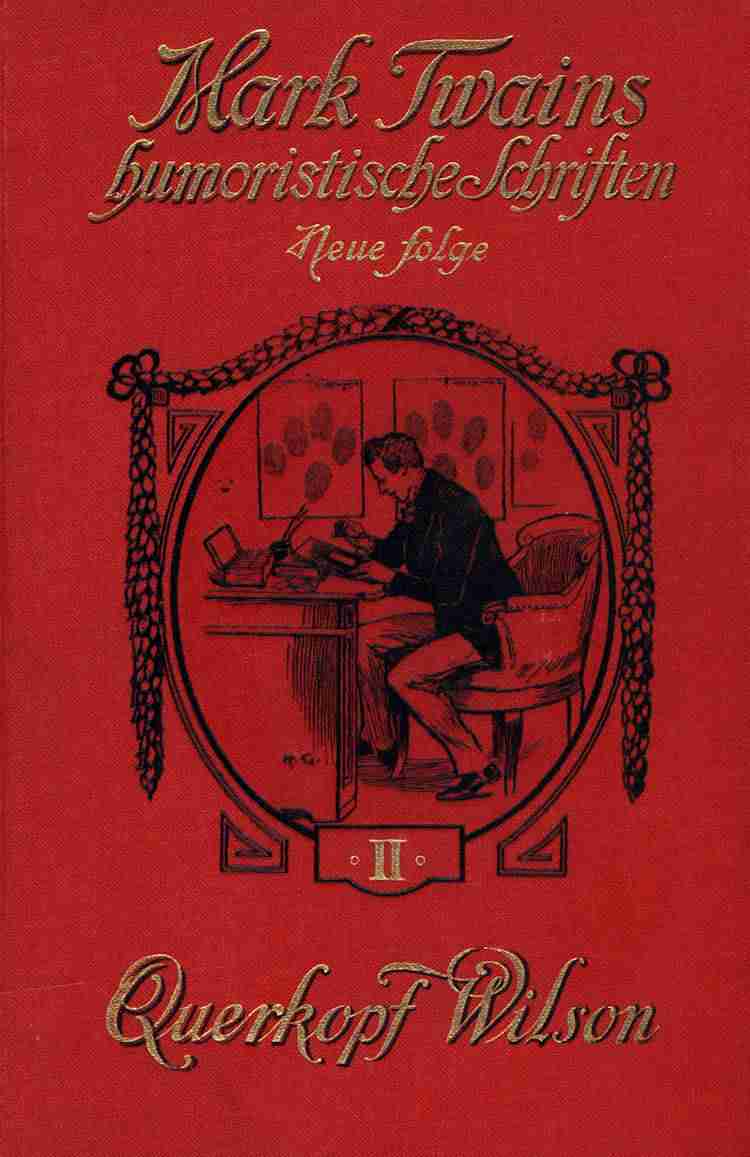
Querkopf Wilson
The narrative follows a small Mississippi town whose settled order is upset when two infants—one white, one born to an enslaved woman—are clandestinely exchanged at birth. Years later the switched children's differing social roles, local attitudes about race and status, and a violent crime converge, prompting a dramatic courtroom struggle. A socially marginalized yet observant young lawyer, long mocked for eccentricities, preserves an unexpected physical record that overturns assumptions about identity and guilt. The story interweaves social satire, questions of heredity and nurture, commentary on slavery and hypocrisy, and an early forensic revelation that exposes both personal tragedy and community prejudice.
About This Book
The narrative follows a small Mississippi town whose settled order is upset when two infants—one white, one born to an enslaved woman—are clandestinely exchanged at birth. Years later the switched children's differing social roles, local attitudes about race and status, and a violent crime converge, prompting a dramatic courtroom struggle. A socially marginalized yet observant young lawyer, long mocked for eccentricities, preserves an unexpected physical record that overturns assumptions about identity and guilt. The story interweaves social satire, questions of heredity and nurture, commentary on slavery and hypocrisy, and an early forensic revelation that exposes both personal tragedy and community prejudice.
About the Author
More Books by This Author
 1601: Conversation as it was by the Social Fireside in the Time of the Tudors
by Mark Twain
1601: Conversation as it was by the Social Fireside in the Time of the Tudors
by Mark Twain
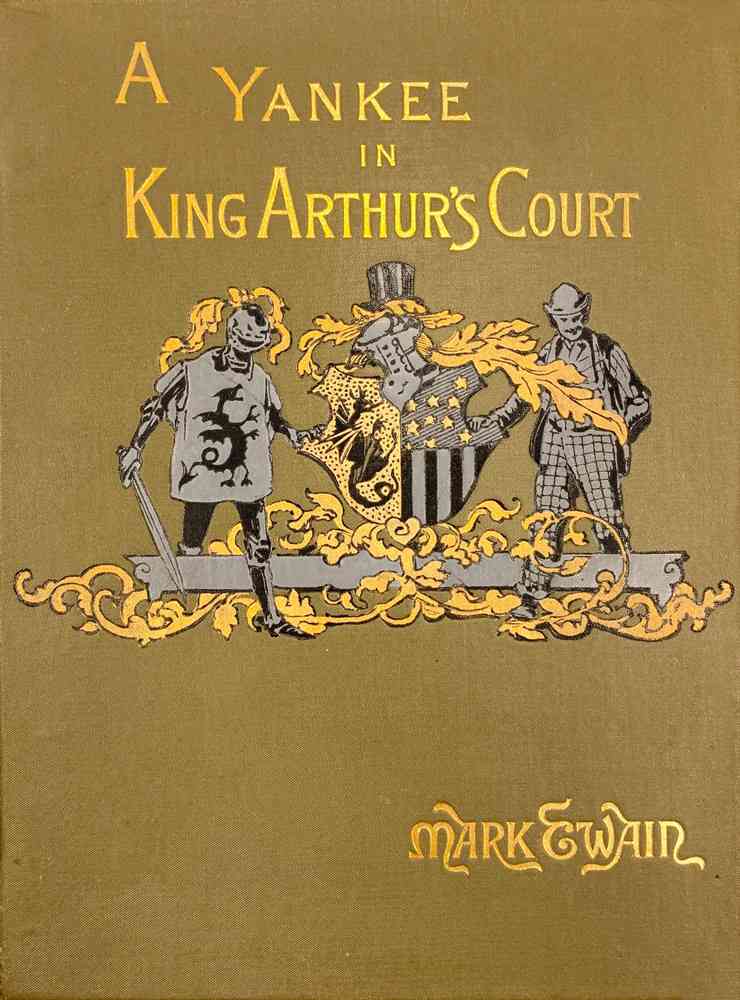 A Connecticut Yankee in King Arthur's Court
by Mark Twain
A Connecticut Yankee in King Arthur's Court
by Mark Twain
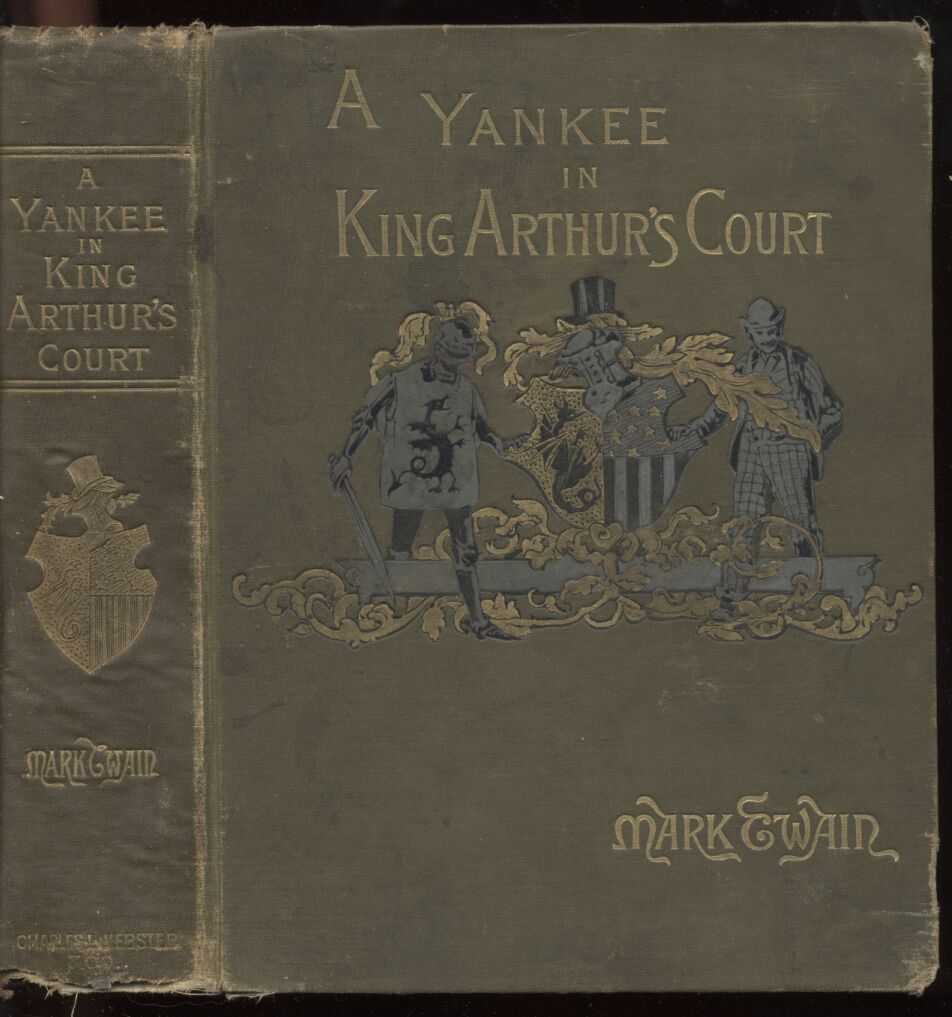 A Connecticut Yankee in King Arthur's Court, Part 1.
by Mark Twain
A Connecticut Yankee in King Arthur's Court, Part 1.
by Mark Twain
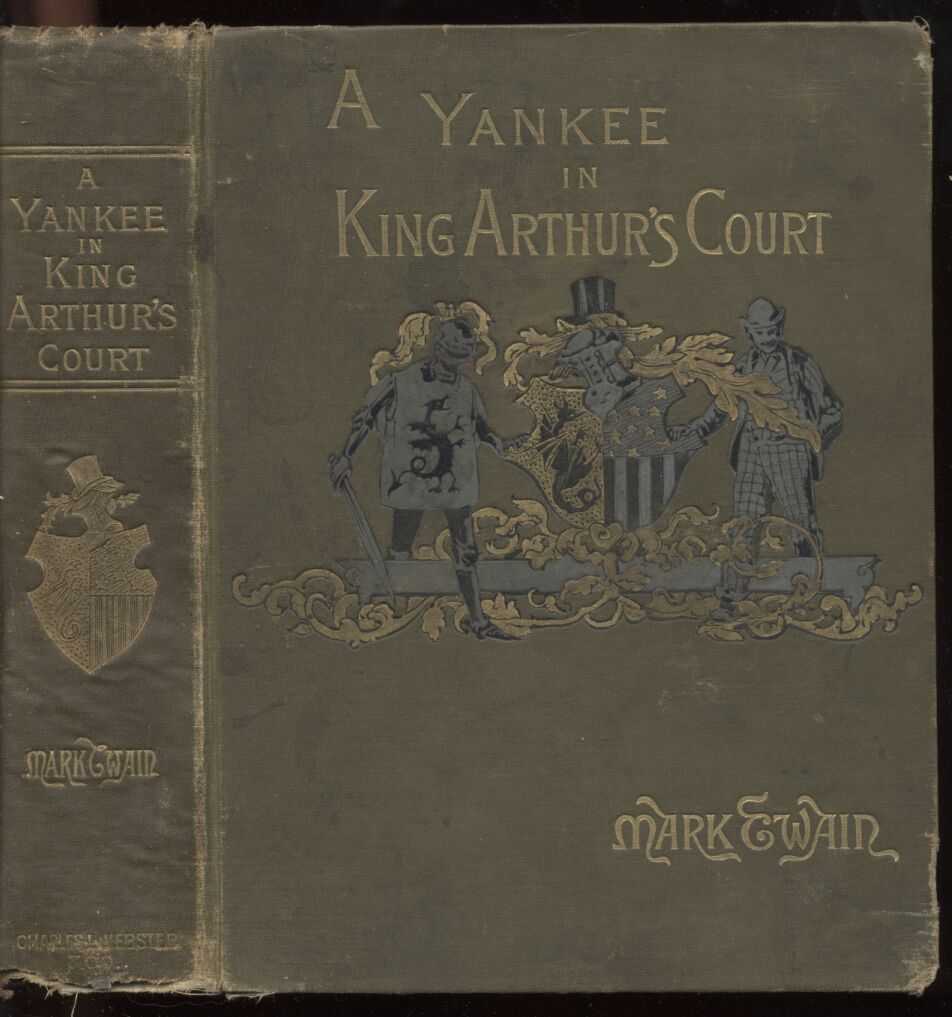 A Connecticut Yankee in King Arthur's Court, Part 2.
by Mark Twain
A Connecticut Yankee in King Arthur's Court, Part 2.
by Mark Twain
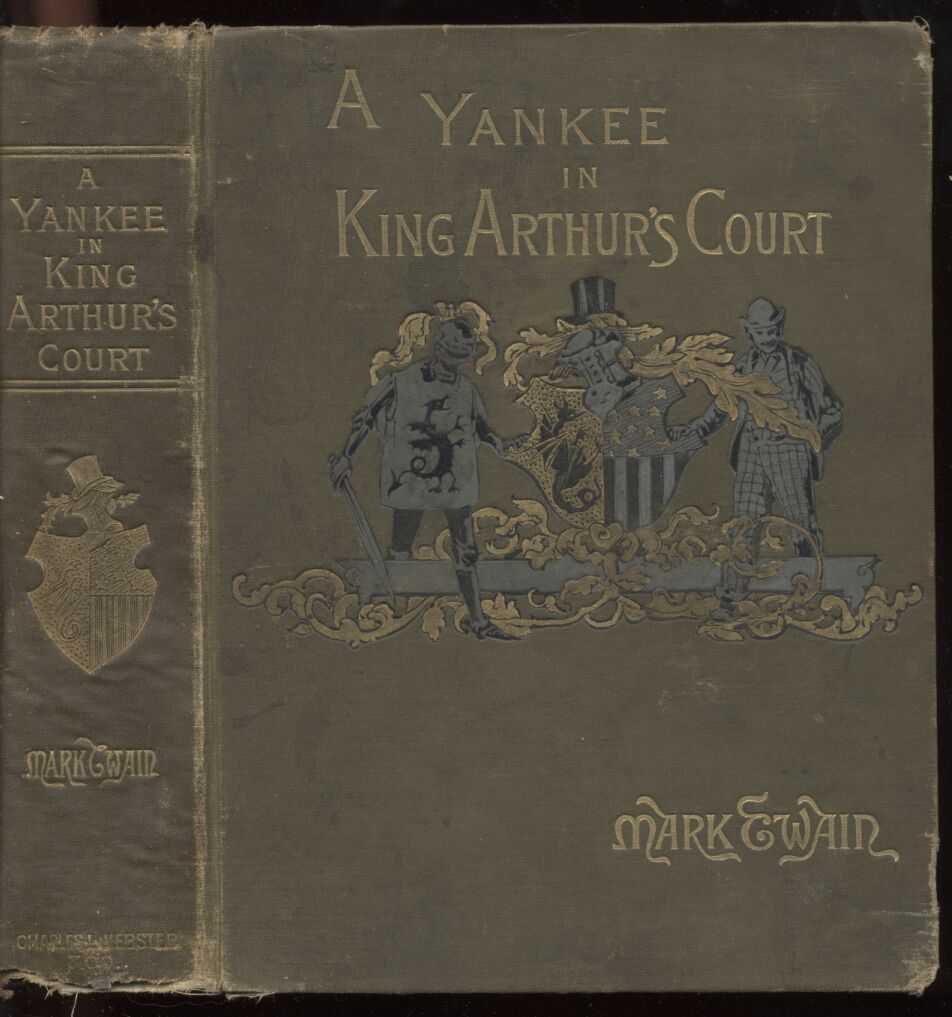 A Connecticut Yankee in King Arthur's Court, Part 3.
by Mark Twain
A Connecticut Yankee in King Arthur's Court, Part 3.
by Mark Twain
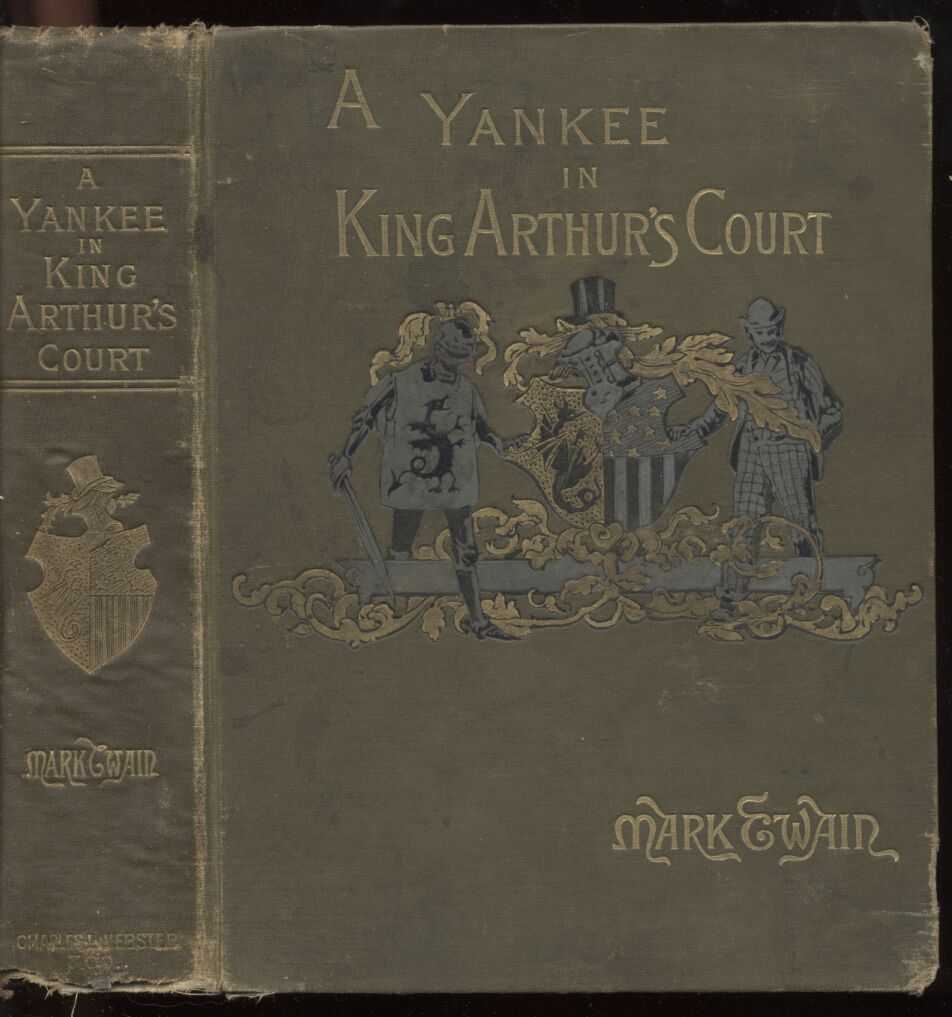 A Connecticut Yankee in King Arthur's Court, Part 4.
by Mark Twain
A Connecticut Yankee in King Arthur's Court, Part 4.
by Mark Twain