
About This Book
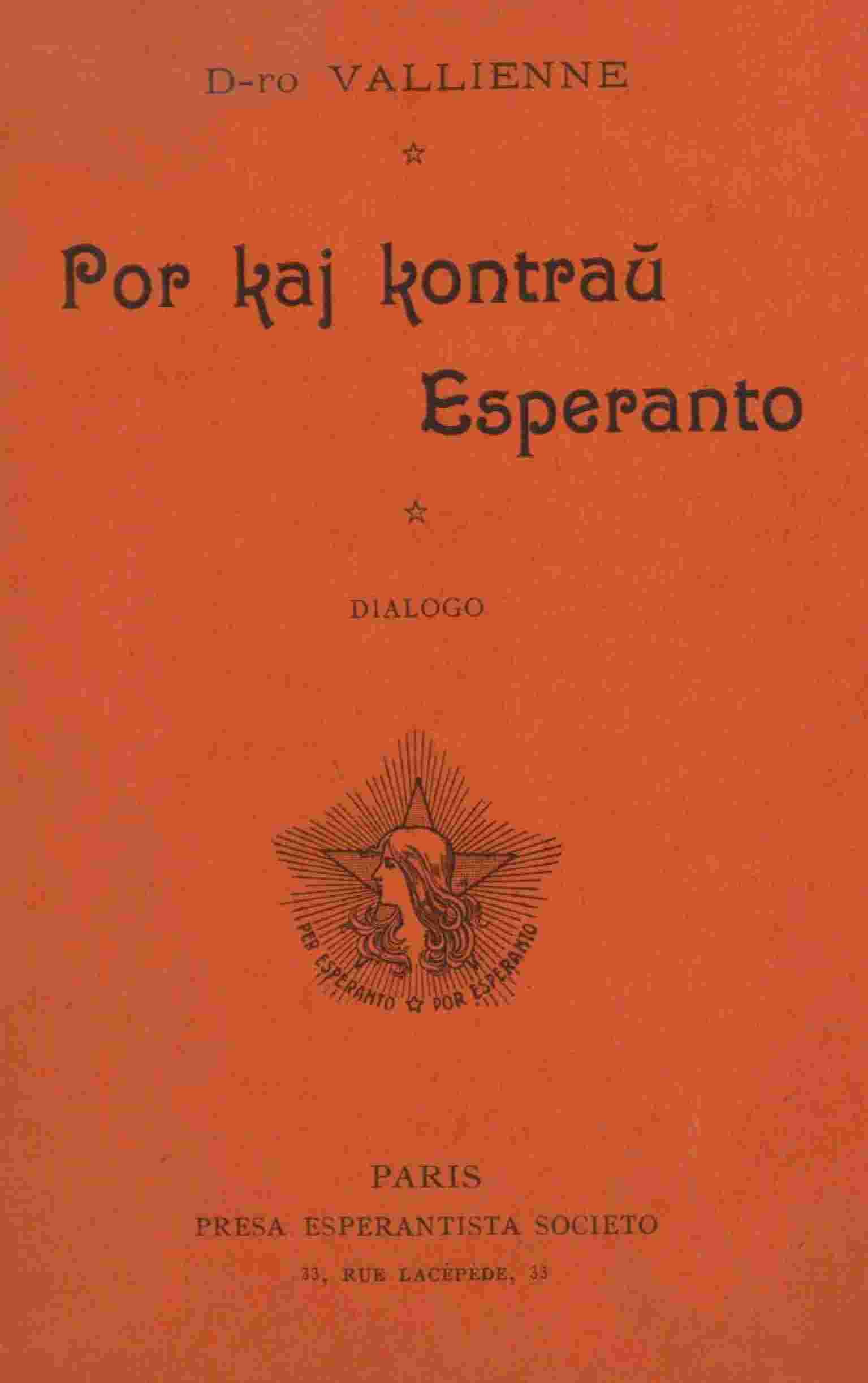
A framed dialogue stages a friendly debate over an international auxiliary language, with one interlocutor defending its practicality and another expressing skepticism about realism and permanence. The defender argues that a simple auxiliary would free time otherwise spent learning several foreign tongues, complement rather than replace national languages, and remain stable because it will be used mainly as a written medium by foreigners. The critic invokes historical language evolution—Latin’s transformation into Romance tongues—and doubts that any engineered idiom can avoid regional divergence. The exchange examines learning ease, cultural preservation, and competing visions of how languages change and spread.
About the Author
You May Also Like
6 picks
 Have faith in Massachusetts; 2d ed. / A Collection of Speeches and Messages
by Calvin Coolidge
Have faith in Massachusetts; 2d ed. / A Collection of Speeches and Messages
by Calvin Coolidge
 Verfall und Triumph, Zweiter Teil: Versuche in Prosa
by Johannes Robert Becher
Verfall und Triumph, Zweiter Teil: Versuche in Prosa
by Johannes Robert Becher
 By-paths in Hebraic bookland
by Israel Abrahams
By-paths in Hebraic bookland
by Israel Abrahams
 Természet, ember, társadalom: Válogatott tanulmányok
by Ralph Waldo Emerson
Természet, ember, társadalom: Válogatott tanulmányok
by Ralph Waldo Emerson
 The Romance of the Commonplace
by Gelett Burgess
The Romance of the Commonplace
by Gelett Burgess
 Origine della lingua italiana: dissertazione
by Luigi Morandi
Origine della lingua italiana: dissertazione
by Luigi Morandi