
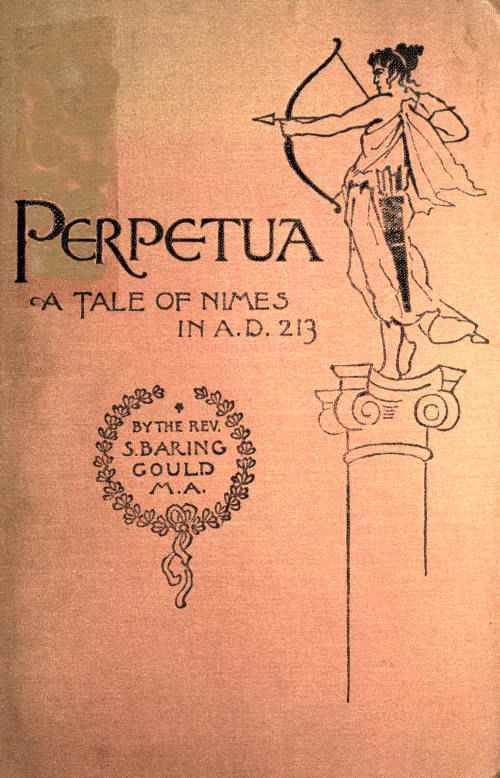
Perpetua. A Tale of Nimes in A.D. 213
About This Book
Set in a provincial Roman town built around a sacred spring, the narrative opens with a spring festival during which forty-nine flower-crowned girls assemble and fate, not officials, selects one as the votive offering to secure the fountain's continued favor. The story follows the public rituals—the procession, priests and priestesses, music, and incense—and the anxious responses of parents and the chosen girl, portraying tensions between communal obligation and private feeling. Through vivid scene-setting and ceremonial detail, the work examines faith, tradition, chance, and the human costs of maintaining communal rites.
About the Author

More Books by This Author
6 picks
 A History of Sarawak under Its Two White Rajahs 1839-1908
by S. Baring-Gould
A History of Sarawak under Its Two White Rajahs 1839-1908
by S. Baring-Gould
 An Old English Home and Its Dependencies
by S. Baring-Gould
An Old English Home and Its Dependencies
by S. Baring-Gould
 Brittany
by S. Baring-Gould
Brittany
by S. Baring-Gould
 Cheap Jack Zita
by S. Baring-Gould
Cheap Jack Zita
by S. Baring-Gould
 Cliff Castles and Cave Dwellings of Europe
by S. Baring-Gould
Cliff Castles and Cave Dwellings of Europe
by S. Baring-Gould
 Conscience and Sin: Daily Meditations for Lent, Including Week-days and Sundays
by S. Baring-Gould
Conscience and Sin: Daily Meditations for Lent, Including Week-days and Sundays
by S. Baring-Gould