
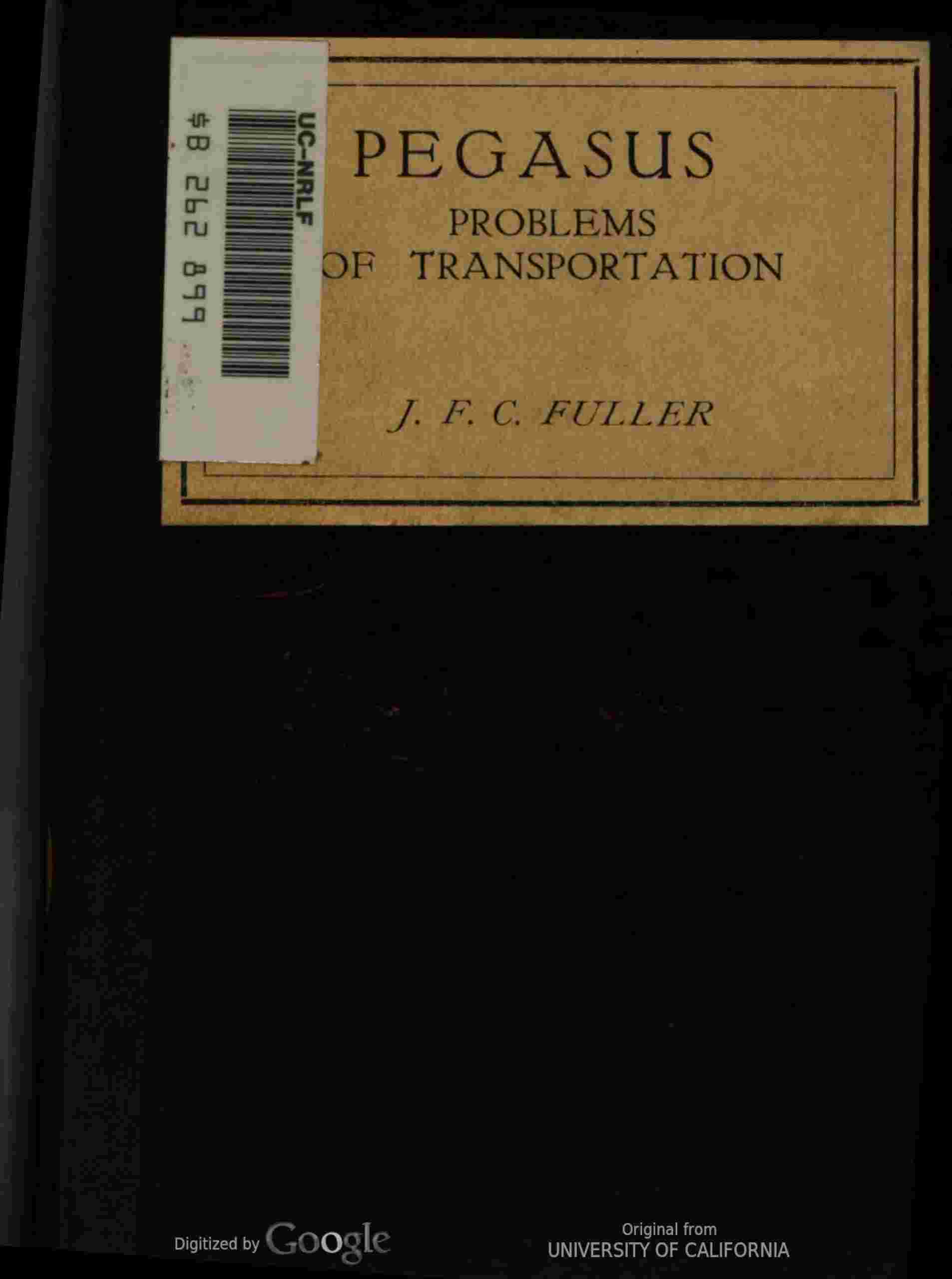
About This Book
The author considers movement as the driving force of human progress, surveying the development of railways and steam power and the social resistance that greets new transport ideas. Drawing on military experience with tracked vehicles and contemporary technical papers, he assesses the commercial and strategic potential of roadless vehicles that do not require prepared roads. The text analyzes practical obstacles — power sources, unemployment, and logistical constraints — and argues that expanded mobility could address population imbalances by enabling economic settlement and more flexible transport solutions while outlining technical and economic pathways forward.
About the Author
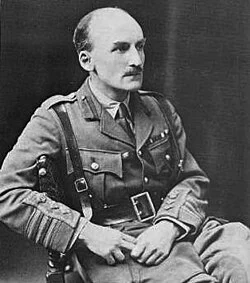
More Books by This Author
1 picks
You May Also Like
6 picks
 Fairs, past and present
by Cornelius Walford
Fairs, past and present
by Cornelius Walford
 Two Years with the Natives in the Western Pacific
by Felix Speiser
Two Years with the Natives in the Western Pacific
by Felix Speiser
 Historical Sketches, Volume I (of 3) / The Turks in Their Relation to Europe; Marcus Tullius Cicero; Apollonius of Tyana; Primitive Christianity
by John Henry Newman
Historical Sketches, Volume I (of 3) / The Turks in Their Relation to Europe; Marcus Tullius Cicero; Apollonius of Tyana; Primitive Christianity
by John Henry Newman
 Ceremonial of Hasjelti Dailjis and Mythical Sand Painting of the Navajo Indians
by James Stevenson
Ceremonial of Hasjelti Dailjis and Mythical Sand Painting of the Navajo Indians
by James Stevenson
 The Etymology of Local Names / With a short introduction to the relationship of languages. Teutonic names.
by Richard Morris
The Etymology of Local Names / With a short introduction to the relationship of languages. Teutonic names.
by Richard Morris
 Paper & paper making, ancient and modern
by Richard Herring
Paper & paper making, ancient and modern
by Richard Herring