WeRead Powered by ReaderPub
Orlowit: mies ja vaimo cover

Orlowit: mies ja vaimo

The narrative portrays a violent domestic episode in a shabby courtyard where a drunken husband repeatedly assaults his wife while neighbors gather to watch, joke, and speculate. It shifts between grisly, detailed moments of the fight and the husband’s private shame, craving for alcohol, and exhaustion, alongside the wife’s resigned endurance and the community’s callous curiosity. The writing emphasizes squalor, noise, and small humiliations, showing how alcoholism, rage, and social indifference create a trapped, cyclical misery for both abuser and victim, and culminates in a tense, ambiguous moment that unsettles the boundary between harm and possible recovery.

About This Book

The narrative portrays a violent domestic episode in a shabby courtyard where a drunken husband repeatedly assaults his wife while neighbors gather to watch, joke, and speculate. It shifts between grisly, detailed moments of the fight and the husband’s private shame, craving for alcohol, and exhaustion, alongside the wife’s resigned endurance and the community’s callous curiosity. The writing emphasizes squalor, noise, and small humiliations, showing how alcoholism, rage, and social indifference create a trapped, cyclical misery for both abuser and victim, and culminates in a tense, ambiguous moment that unsettles the boundary between harm and possible recovery.

About the Author
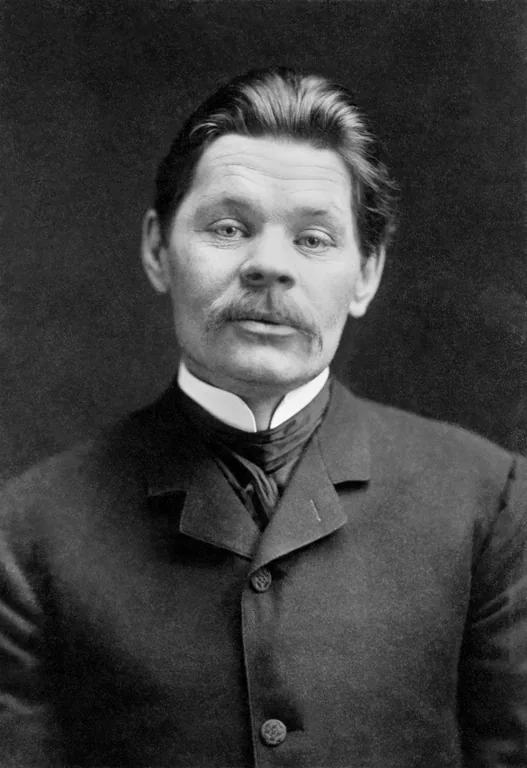
Gorky, Maksim portrait

Maksim Gorky

Maksim Gorky was a prominent Russian writer and political activist, known for his contributions to socialist literature and his portrayal of the struggles of the working class. Born in 1868, Gorky emerged as a significant literary figure in the early 20th century, with works that often reflected his own experiences of poverty and hardship. His notable works include 'Mother,' a powerful novel that explores themes of revolution and familial bonds, and 'The Lower Depths,' a drama that delves into the lives of the downtrodden. Gorky's writings not only shaped Russian literature but also influenced social thought during a time of great upheaval.

More Books by This Author

You May Also Like