WeRead Powered by ReaderPub
Orlóff and His Wife: Tales of the Barefoot Brigade cover

Orlóff and His Wife: Tales of the Barefoot Brigade

A collection of realist short stories presents the harsh rhythms of urban poverty through concentrated domestic episodes. Terse scenes of quarrel, drunkenness, illness, rumor, and occasional compassion evoke cramped lodgings and public courts where neighbors and acquaintances collide. The narratives shift among working households and their visitors, using vivid sensory detail and plain speech to reveal superstition, petty rivalries, small solidarities, and official indifference. Tone alternates between bleak irony and humane observation, delivering social critique through intimate moments rather than broad historical explanation.

About This Book

A collection of realist short stories presents the harsh rhythms of urban poverty through concentrated domestic episodes. Terse scenes of quarrel, drunkenness, illness, rumor, and occasional compassion evoke cramped lodgings and public courts where neighbors and acquaintances collide. The narratives shift among working households and their visitors, using vivid sensory detail and plain speech to reveal superstition, petty rivalries, small solidarities, and official indifference. Tone alternates between bleak irony and humane observation, delivering social critique through intimate moments rather than broad historical explanation.

About the Author
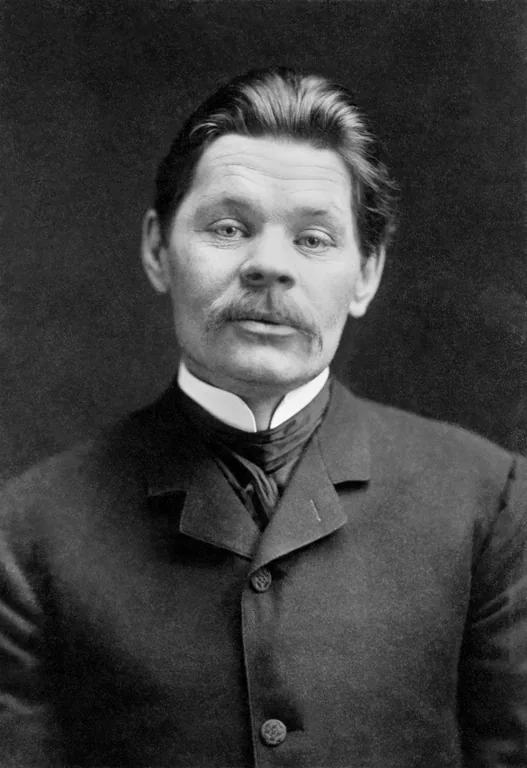
Gorky, Maksim portrait

Maksim Gorky

Maksim Gorky was a prominent Russian writer and political activist, known for his contributions to socialist literature and his portrayal of the struggles of the working class. Born in 1868, Gorky emerged as a significant literary figure in the early 20th century, with works that often reflected his own experiences of poverty and hardship. His notable works include 'Mother,' a powerful novel that explores themes of revolution and familial bonds, and 'The Lower Depths,' a drama that delves into the lives of the downtrodden. Gorky's writings not only shaped Russian literature but also influenced social thought during a time of great upheaval.

More Books by This Author

You May Also Like