
About This Book
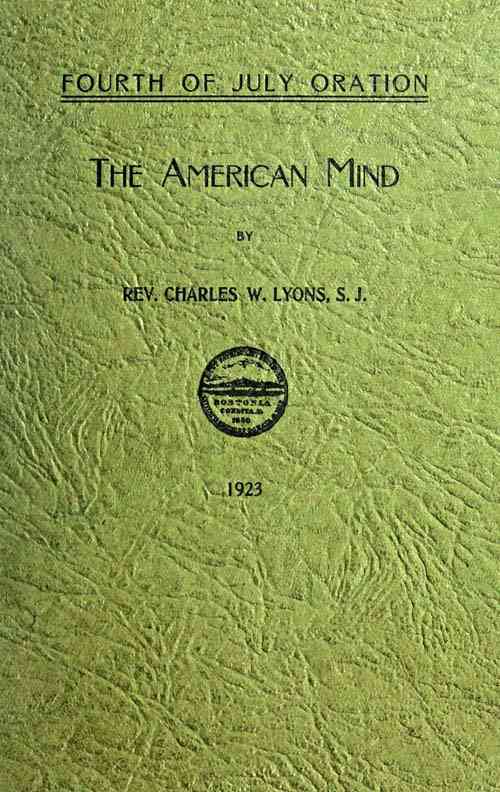
The oration traces how American political ideals grew from ancient and medieval teachings through Enlightenment thought, arguing that the Declaration synthesized long-standing principles of natural law and consent of the governed. It portrays the nation's founders as diverse settlers who, through shared struggle and mutual tolerance, formed a common civic mind that prized liberty of conscience and the pursuit of happiness. It urges preserving national unity by reconciling capital and labor, eliminating class and racial prejudice, and protecting both individual rights and property. It calls for safeguarding home life and strengthening public and private education so citizens may understand constitutional duties and sustain republican virtue.
About the Author
You May Also Like
 Lectures of Col. R. G. Ingersoll, Volume I / Including His Answers to the Clergy, His Oration at His Brother's Grave, Etc., Etc.
by Robert Green Ingersoll
Lectures of Col. R. G. Ingersoll, Volume I / Including His Answers to the Clergy, His Oration at His Brother's Grave, Etc., Etc.
by Robert Green Ingersoll
 Hunting the Grisly and Other Sketches / An Account of the Big Game of the United States and its Chase with Horse, Hound, and Rifle
by Theodore Roosevelt
Hunting the Grisly and Other Sketches / An Account of the Big Game of the United States and its Chase with Horse, Hound, and Rifle
by Theodore Roosevelt
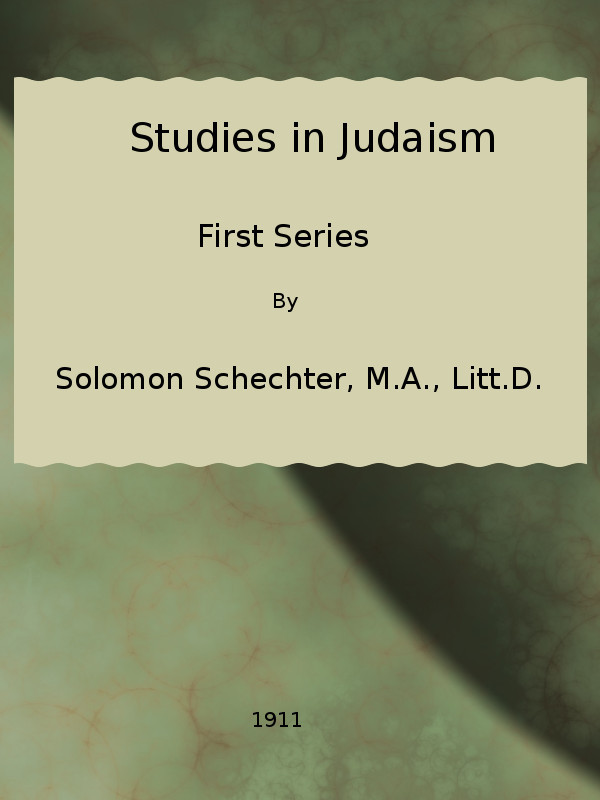 Studies in Judaism, First Series
by S. Schechter
Studies in Judaism, First Series
by S. Schechter
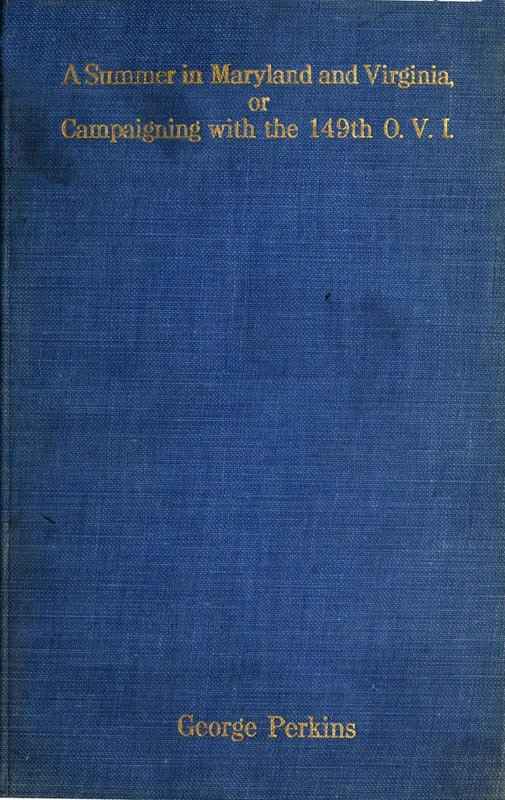 A Summer in Maryland and Virginia; Or, Campaigning with the 149th Ohio Volunteer Infantry. / A Sketch of Events Connected with the Service of the Regiment in Maryland and the Shenandoah Valley, Virginia
by George Perkins
A Summer in Maryland and Virginia; Or, Campaigning with the 149th Ohio Volunteer Infantry. / A Sketch of Events Connected with the Service of the Regiment in Maryland and the Shenandoah Valley, Virginia
by George Perkins
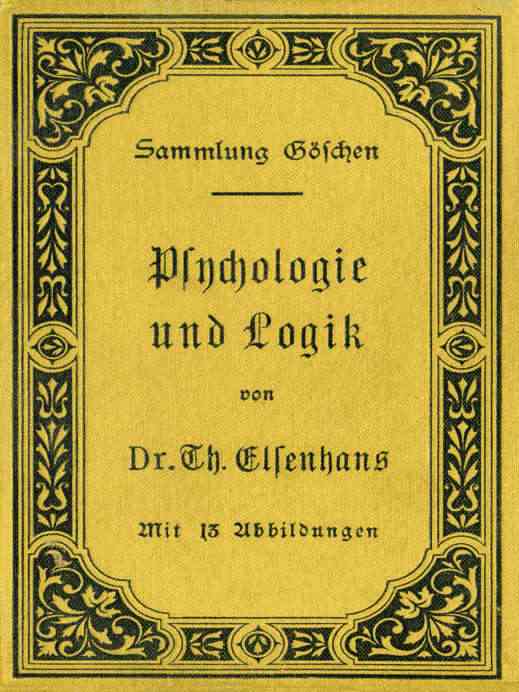 Psychologie und Logik: zur Einführung in die Philosophie
by Theodor Elsenhans
Psychologie und Logik: zur Einführung in die Philosophie
by Theodor Elsenhans
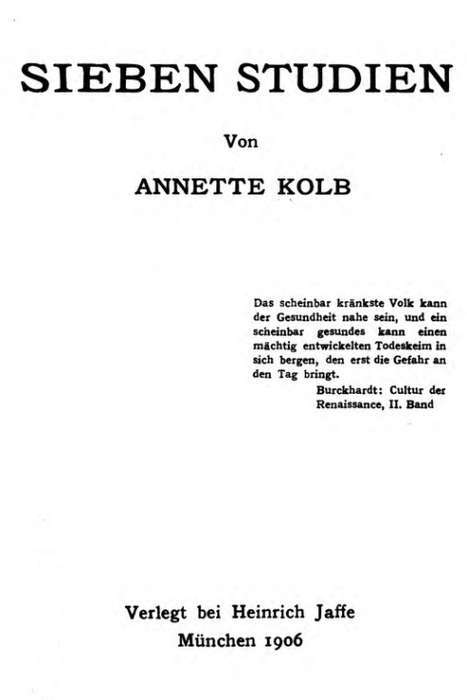 L'Âme aux deux patries: Sieben Studien
by Annette Kolb
L'Âme aux deux patries: Sieben Studien
by Annette Kolb