
Once a week
A varied collection of humorous sketches, short plays, and burlesques that satirize everyday life and social pretensions through light comic narratives and character interactions. Scenes range from domestic conversations and skiing mishaps to mock-heroic and didactic pieces, often deploying gentle irony, playful dialogue, and absurd situations to examine human foibles, marriage, class manners, and creative fancies. Several pieces present short dramatic vignettes and parodic essays interspersed with whimsical how-to passages and imaginative conceits, making the collection varied in form while consistently aiming for wit and readable charm.
About This Book
A varied collection of humorous sketches, short plays, and burlesques that satirize everyday life and social pretensions through light comic narratives and character interactions. Scenes range from domestic conversations and skiing mishaps to mock-heroic and didactic pieces, often deploying gentle irony, playful dialogue, and absurd situations to examine human foibles, marriage, class manners, and creative fancies. Several pieces present short dramatic vignettes and parodic essays interspersed with whimsical how-to passages and imaginative conceits, making the collection varied in form while consistently aiming for wit and readable charm.
About the Author
More Books by This Author





You May Also Like
 "1914"
by John Oxenham
"1914"
by John Oxenham
 "All's Well"; or, Alice's Victory
by Emily Sarah Holt
"All's Well"; or, Alice's Victory
by Emily Sarah Holt
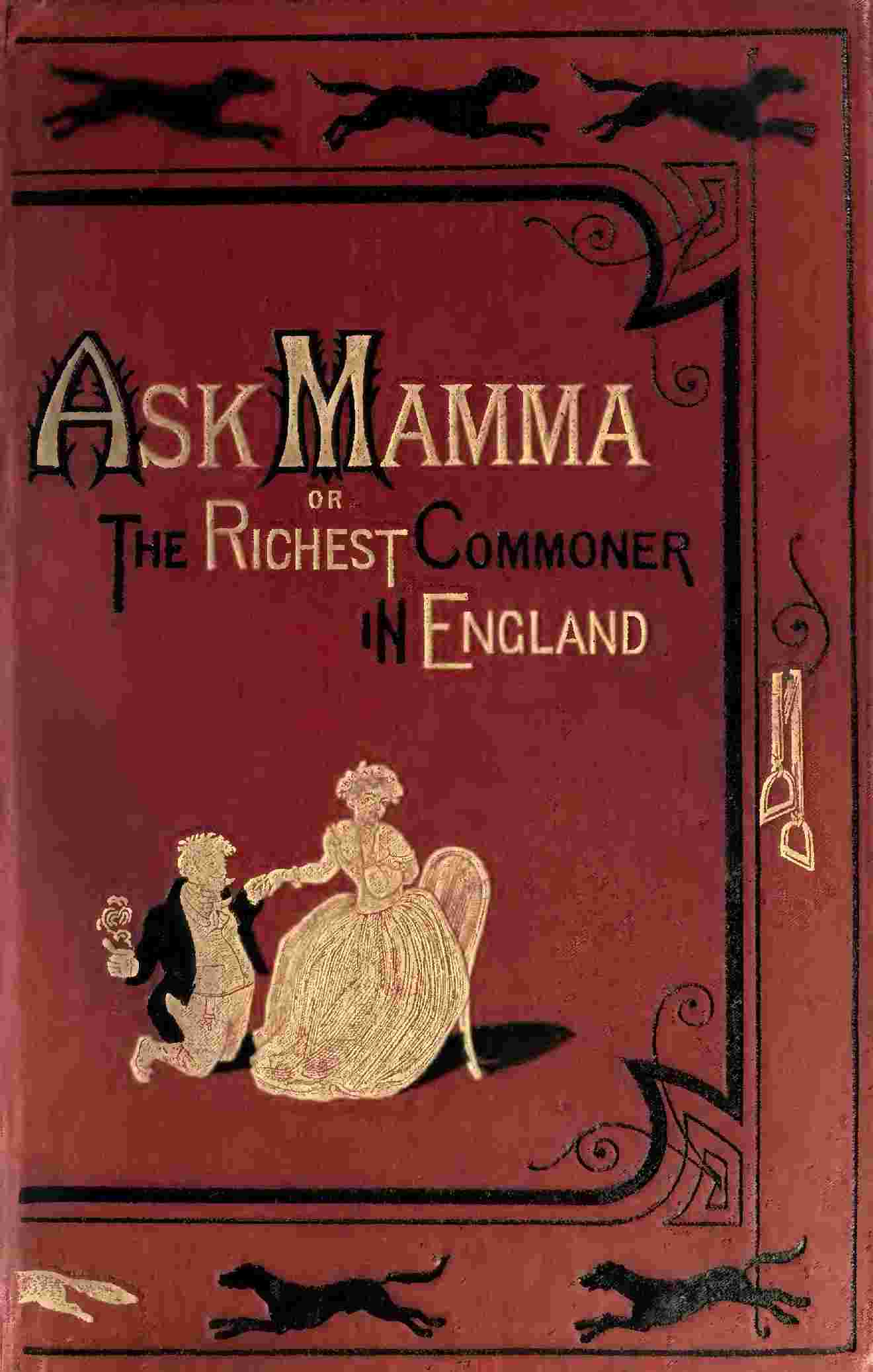 "Ask Mamma"; or, The Richest Commoner In England
by Robert Smith Surtees
"Ask Mamma"; or, The Richest Commoner In England
by Robert Smith Surtees
 "Bones": Being Further Adventures in Mr. Commissioner Sanders' Country
by Edgar Wallace
"Bones": Being Further Adventures in Mr. Commissioner Sanders' Country
by Edgar Wallace
 "Captains Courageous": A Story of the Grand Banks
by Rudyard Kipling
"Captains Courageous": A Story of the Grand Banks
by Rudyard Kipling
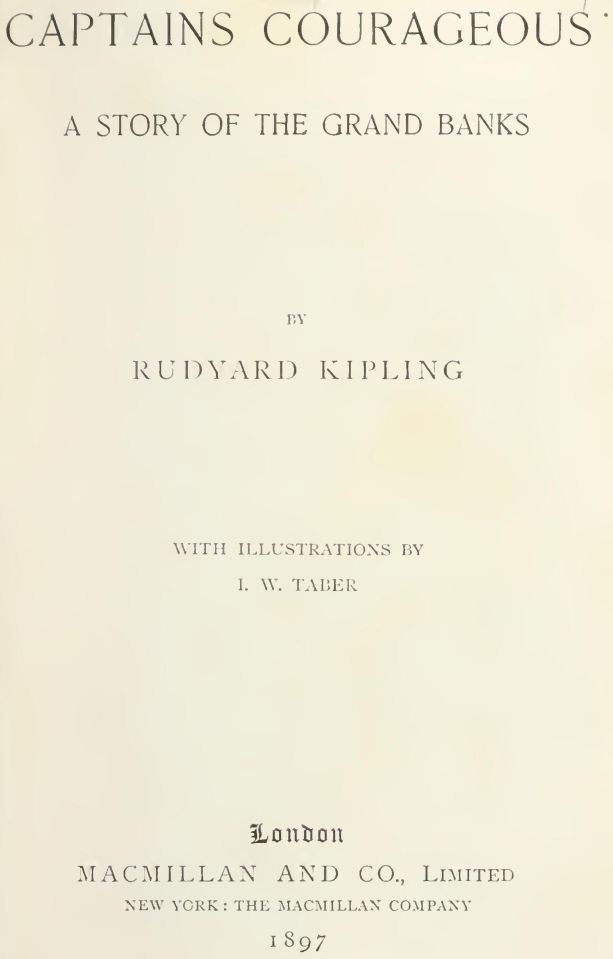 "Captains Courageous": A Story of the Grand Banks
by Rudyard Kipling
"Captains Courageous": A Story of the Grand Banks
by Rudyard Kipling