
On the Nature of Thought / Or, The act of thinking and its connexion with a perspicuous sentence
Explore more books like this:
About This Book
An extended philosophical and psychological essay argues that thought and language are inseparable, investigating how words function as the material of thinking and how a perspicuous sentence structures intellectual activity. The author examines mental faculties from a physiological perspective, critiques prevailing educational practices and metaphysical abstractions, surveys historical and contemporary views on ideas and language, and analyzes how sentence construction and vocabulary enable consciousness, reasoning, and communication. Practical implications for pedagogy, translation, and the study of mental phenomena are considered, with attention to the limits of ideas without linguistic form and to the role of words in shaping understanding.
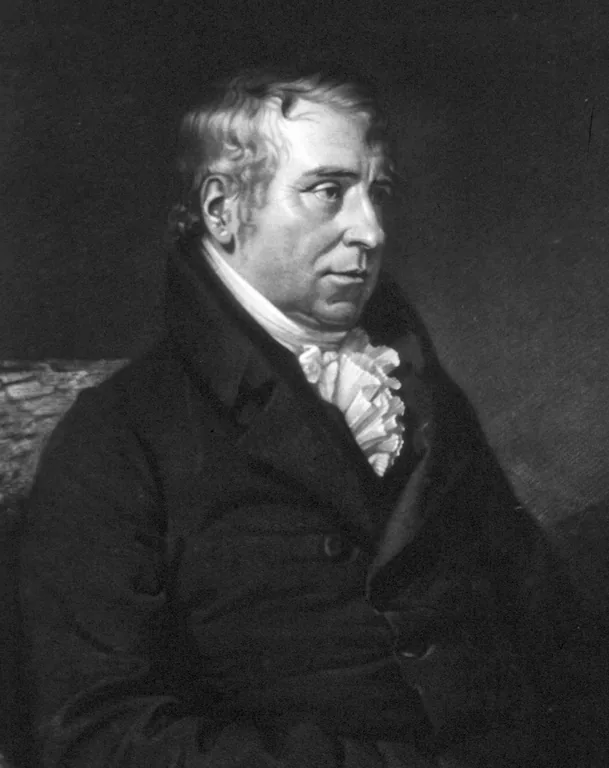
About the Author
More Books by This Author
 A Letter to the Right Honorable the Lord Chancellor, on the Nature and Interpretation of Unsoundness of Mind, and Imbecility of Intellect
by John Haslam
A Letter to the Right Honorable the Lord Chancellor, on the Nature and Interpretation of Unsoundness of Mind, and Imbecility of Intellect
by John Haslam
 Medical Jurisprudence as it Relates to Insanity, According to the Law of England
by John Haslam
Medical Jurisprudence as it Relates to Insanity, According to the Law of England
by John Haslam
 Observations on Insanity / With Practical Remarks on the Disease and an Account of the Morbid Appearances on Dissection
by John Haslam
Observations on Insanity / With Practical Remarks on the Disease and an Account of the Morbid Appearances on Dissection
by John Haslam
 Observations on Madness and Melancholy / Including Practical Remarks on those Diseases together with Cases and an Account of the Morbid Appearances on Dissection
by John Haslam
Observations on Madness and Melancholy / Including Practical Remarks on those Diseases together with Cases and an Account of the Morbid Appearances on Dissection
by John Haslam
 Sound Mind / Or, Contributions to the natural history and physiology of the human intellect
by John Haslam
Sound Mind / Or, Contributions to the natural history and physiology of the human intellect
by John Haslam
 The Paper Currency of England Dispassionately Considered / With Suggestions Towards a Practical Solution of the Difficulty
by John Haslam
The Paper Currency of England Dispassionately Considered / With Suggestions Towards a Practical Solution of the Difficulty
by John Haslam
You May Also Like
 The Contest in America
by John Stuart Mill
The Contest in America
by John Stuart Mill
 Putnam's Word Book / A Practical Aid in Expressing Ideas Through the Use of an Exact and Varied Vocabulary
by Louis A. Flemming
Putnam's Word Book / A Practical Aid in Expressing Ideas Through the Use of an Exact and Varied Vocabulary
by Louis A. Flemming
 Widger's Quotations from the Project Gutenberg Editions of the Works of Montaigne
by Michel de Montaigne
Widger's Quotations from the Project Gutenberg Editions of the Works of Montaigne
by Michel de Montaigne
 Montaigne and Shakspere
by J. M. Robertson
Montaigne and Shakspere
by J. M. Robertson
 Ainsi Parlait Zarathoustra
by Friedrich Wilhelm Nietzsche
Ainsi Parlait Zarathoustra
by Friedrich Wilhelm Nietzsche
 Creative Unity
by Rabindranath Tagore
Creative Unity
by Rabindranath Tagore