
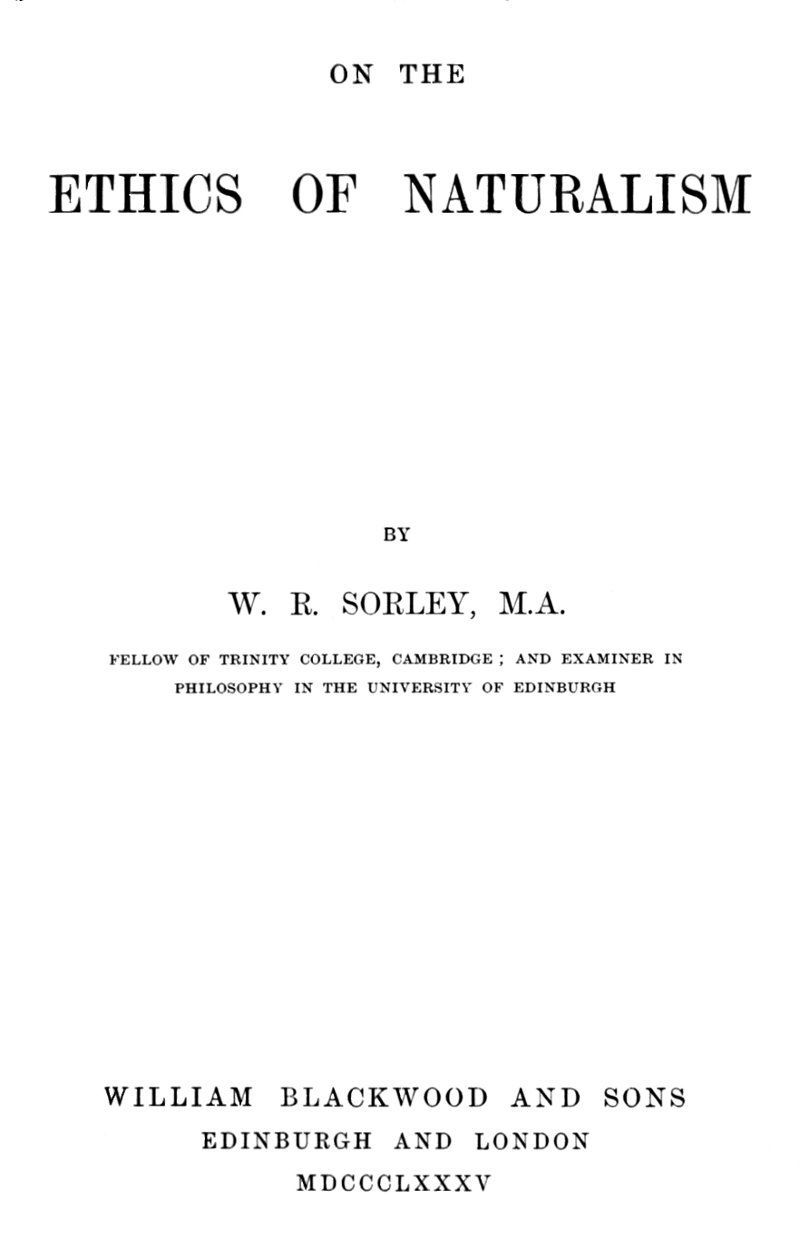
About This Book
A philosophical examination maps relations between ethical inquiry and theoretical philosophy, arguing that determining the end of conduct requires a distinct point of view. It analyzes individualistic doctrines such as egoism and psychological hedonism, and traces how they can lead to utilitarian prescriptions while exposing conceptual ambiguities. The role of moral sentiment is considered as an alternative grounding, mediating motives beyond mere pleasure. Evolutionary theory is evaluated for its implications for moral development, including proposed ends like adaptation, variation, or increased life. The text distinguishes causal explanations from teleological justification and interrogates attempts to derive obligation from natural facts, concluding that naturalistic accounts fail to yield an independent ethical ideal without reference to self-conscious normativity.
About the Author

More Books by This Author
You May Also Like
 Erewhon Revisited Twenty Years Later, Both by the Original Discoverer of the Country and by His Son
by Samuel Butler
Erewhon Revisited Twenty Years Later, Both by the Original Discoverer of the Country and by His Son
by Samuel Butler
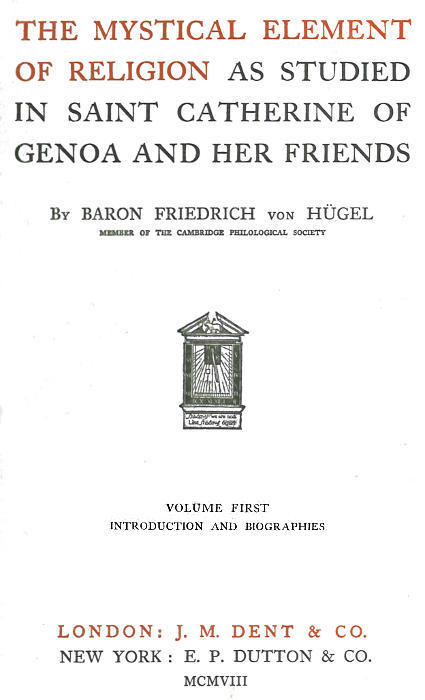 The Mystical Element of Religion, as studied in Saint Catherine of Genoa and her friends, Volume 1 (of 2)
by Freiherr von Friedrich Hügel
The Mystical Element of Religion, as studied in Saint Catherine of Genoa and her friends, Volume 1 (of 2)
by Freiherr von Friedrich Hügel
 Beyond
by Henry Seward Hubbard
Beyond
by Henry Seward Hubbard
 The Key to Theosophy / Being a Clear Exposition, in the Form of Question and Answer, of the Ethics, Science and Philosophy for the Study of Which the Theosophical Society Has Been Founded
by H. P. Blavatsky
The Key to Theosophy / Being a Clear Exposition, in the Form of Question and Answer, of the Ethics, Science and Philosophy for the Study of Which the Theosophical Society Has Been Founded
by H. P. Blavatsky
 Gedankengut aus meinen Wanderjahren. Erster Band
by Max Dauthendey
Gedankengut aus meinen Wanderjahren. Erster Band
by Max Dauthendey
 Early Greek Philosophy & Other Essays / Collected Works, Volume Two
by Friedrich Wilhelm Nietzsche
Early Greek Philosophy & Other Essays / Collected Works, Volume Two
by Friedrich Wilhelm Nietzsche