
About This Book
The address challenges the view that modern chemistry began with the Arabian alchemist Geber in the eighth century, arguing that practical chemical knowledge long preceded formal theory. Beginning from Boerhaave’s definition of chemistry, the speaker traces technical traditions through Greek, Indian, Egyptian, and early Arab learning, notes Baghdad’s role as a translation and educational center under Abbasid patronage, and suggests ancient practices—including incendiary devices sometimes likened to Greek fire—reflect earlier chemical arts. Emphasis is placed on unwritten, traditional workmanship, the diffusion of knowledge via translations, and the intent to follow chemical ideas further back than commonly credited.
About the Author

You May Also Like
6 picks
 Los Conquistadores: El origen heróico de América
by José María Salaverría
Los Conquistadores: El origen heróico de América
by José María Salaverría
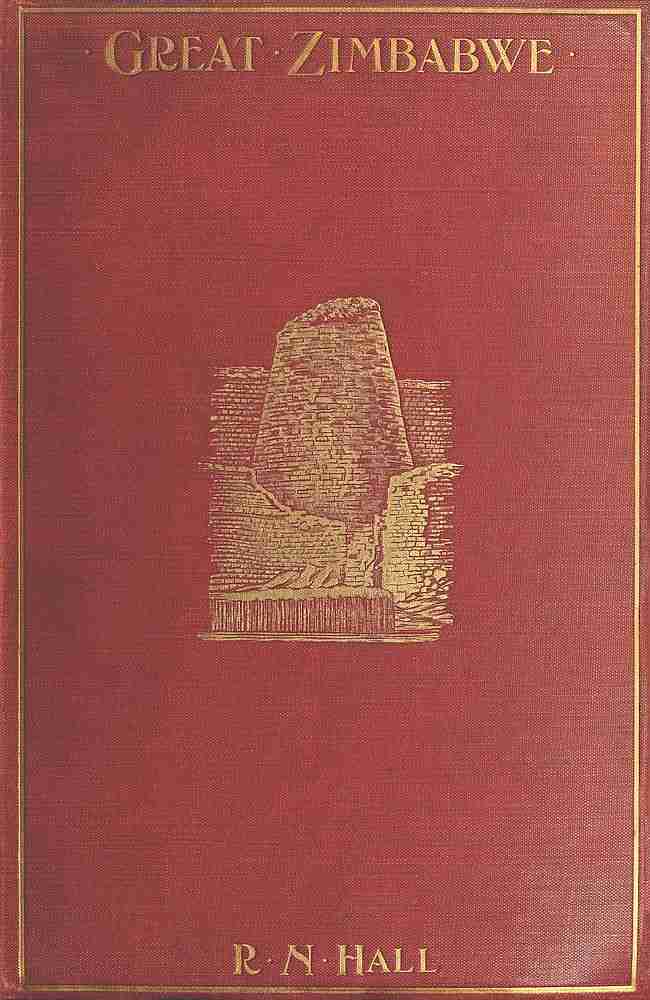 Great Zimbabwe, Mashonaland, Rhodesia / An account of two years' examination work in 1902-4 on behalf of the government of Rhodesia
by R. N. Hall
Great Zimbabwe, Mashonaland, Rhodesia / An account of two years' examination work in 1902-4 on behalf of the government of Rhodesia
by R. N. Hall
 An Essay on the Antient and Modern State of Ireland
by Henry Brooke
An Essay on the Antient and Modern State of Ireland
by Henry Brooke
 A Treatise on Bread, and Bread-making
by Sylvester Graham
A Treatise on Bread, and Bread-making
by Sylvester Graham
 Hochelagans and Mohawks: A Link in Iroquois History
by W. D. Lighthall
Hochelagans and Mohawks: A Link in Iroquois History
by W. D. Lighthall
 Sun, Sand and Somals / Leaves from the note-book of a District Commissioner in British Somaliland
by Henry A. Rayne
Sun, Sand and Somals / Leaves from the note-book of a District Commissioner in British Somaliland
by Henry A. Rayne