
About This Book
An essay examines indigo as a central dye for wool and cotton, tracing its extraction, historical commerce, and practical use in textile manufacture. It describes indigo's exceptional resistance to air and light, its role as a foundation for blacks, greens, and purples, and contrasts its stability with the brighter but fugitive aniline dyes that have displaced it. The text argues for renewed use of indigo on economic and aesthetic grounds, notes manufacturers' and consumers' conflicting preferences, and cites military regulations and industrial practice to illustrate how indigo yields durable, consistent hues in finished fabrics.
About the Author

You May Also Like
6 picks
 A General Plan for a Mail Communication by Steam, Between Great Britain and the Eastern and Western Parts of the World
by James MacQueen
A General Plan for a Mail Communication by Steam, Between Great Britain and the Eastern and Western Parts of the World
by James MacQueen
 Tractor Principles / The Action, Mechanism, Handling, Care, Maintenance and Repair of the Gas Engine Tractor
by Roger B. Whitman
Tractor Principles / The Action, Mechanism, Handling, Care, Maintenance and Repair of the Gas Engine Tractor
by Roger B. Whitman
 Aërial Navigation / A Popular Treatise on the Growth of Air Craft and on Aëronautical Meteorology
by Albert Francis Zahm
Aërial Navigation / A Popular Treatise on the Growth of Air Craft and on Aëronautical Meteorology
by Albert Francis Zahm
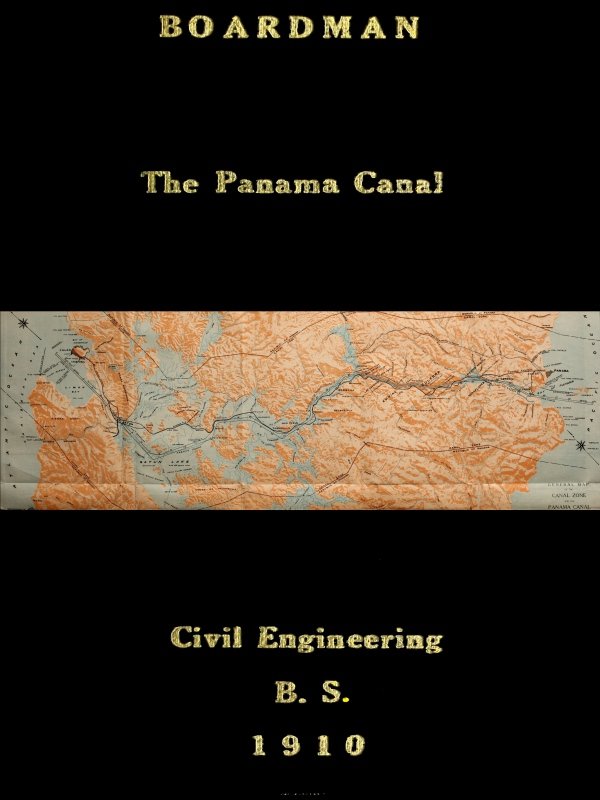 The Panama Canal
by Harry Clow Boardman
The Panama Canal
by Harry Clow Boardman
 The Condition and Tendencies of Technical Education in Germany
by Arthur Henry Chamberlain
The Condition and Tendencies of Technical Education in Germany
by Arthur Henry Chamberlain
 The Face of the Earth as Seen from the Air / A Study in the Application of Airplane Photography to Geography
by Willis T. Lee
The Face of the Earth as Seen from the Air / A Study in the Application of Airplane Photography to Geography
by Willis T. Lee