
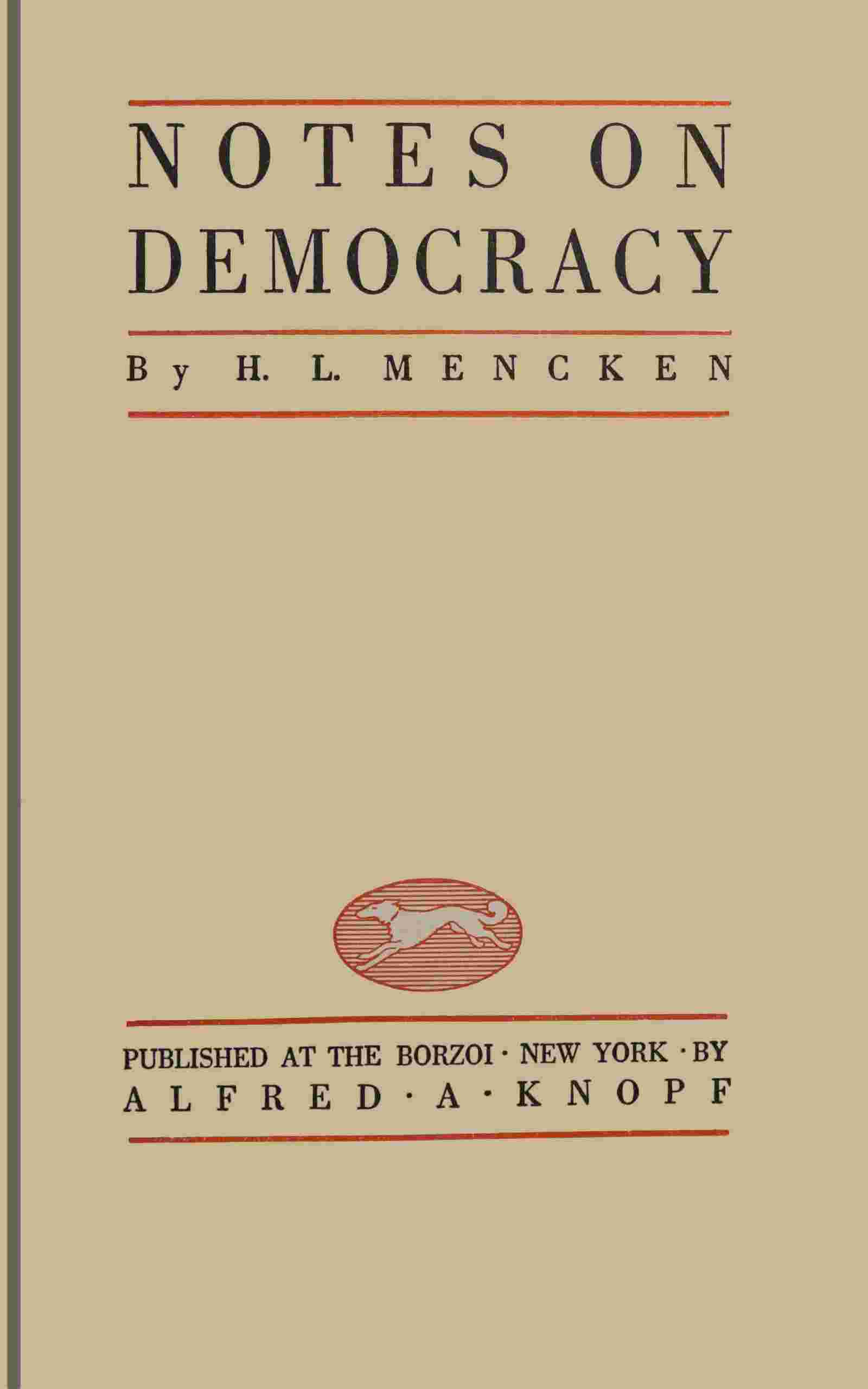
About This Book
The author argues that popular rule rests on romanticized beliefs about the moral superiority and wisdom of the masses, and examines how that belief shapes democratic character, institutions, and policy. He surveys psychological drivers such as envy and sentiment, differing forms of democratic government, representation, politicians' incentives, the relationship between democracy and liberty, corruption and moral reform movements, and the effects on cultural and technological progress. Combining polemic, historical observation, and social analysis, he contends that democracy often elevates mediocrity while permitting occasional exceptional leadership, and assesses possible futures for the system.
About the Author
More Books by This Author
6 picks



You May Also Like
6 picks
 Australasian Democracy
by Henry de Rosenbach Walker
Australasian Democracy
by Henry de Rosenbach Walker
 The Conflict between Private Monopoly and Good Citizenship
by John Graham Brooks
The Conflict between Private Monopoly and Good Citizenship
by John Graham Brooks
 Considerations politiques sur les coups d'estat
by Gabriel Naudé
Considerations politiques sur les coups d'estat
by Gabriel Naudé
 Backlog Studies
by Charles Dudley Warner
Backlog Studies
by Charles Dudley Warner
 William Blake: A Critical Essay
by Algernon Charles Swinburne
William Blake: A Critical Essay
by Algernon Charles Swinburne
 The Conquest of Bread
by kniaz Petr Alekseevich Kropotkin
The Conquest of Bread
by kniaz Petr Alekseevich Kropotkin