
About This Book
The author argues that people commonly labeled immoral or criminal are largely shaped by heredity and environment rather than innate wickedness, rejects theological bases for sin, and advances a pragmatic moral test grounded in whether actions needlessly injure others. He traces the evolution of moral ideas, examines conscience, free will, and self-control, critiques punishment as ineffective at reforming the disadvantaged, and responds to objections before advocating compassionate social and legal reforms. The book combines philosophical argument, discussion of heredity and environment, and practical critique of laws and punishments, concluding with an appeal to treat marginalized people with understanding rather than mere retribution.
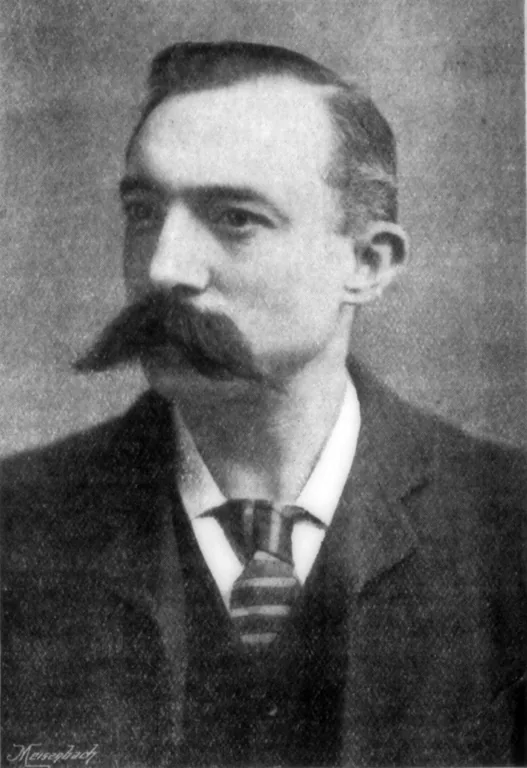
About the Author
More Books by This Author
2 picks


You May Also Like
6 picks
 Confessions of an Inquiring Spirit and Some Miscellaneous Pieces
by Samuel Taylor Coleridge
Confessions of an Inquiring Spirit and Some Miscellaneous Pieces
by Samuel Taylor Coleridge
 The Sense of Beauty: Being the Outlines of Aesthetic Theory
by George Santayana
The Sense of Beauty: Being the Outlines of Aesthetic Theory
by George Santayana
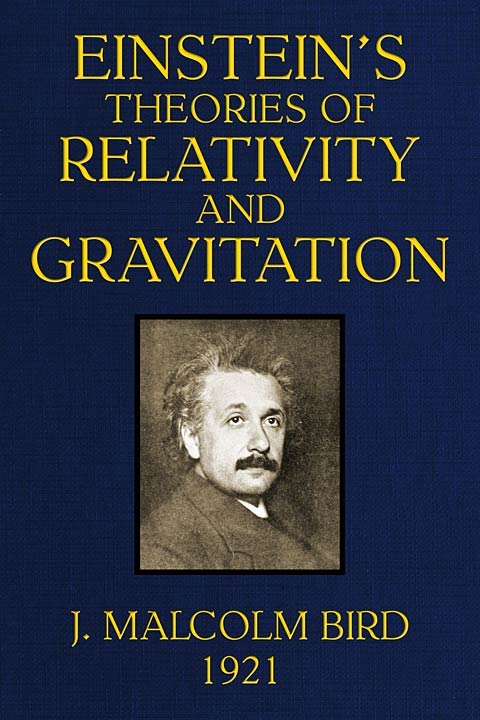 Einstein's Theories of Relativity and Gravitation / A selection of material from the essays submitted in the competition for the Eugene Higgins prize of $5,000
by J. Malcolm Bird
Einstein's Theories of Relativity and Gravitation / A selection of material from the essays submitted in the competition for the Eugene Higgins prize of $5,000
by J. Malcolm Bird
 God
by T. D. Curtis
God
by T. D. Curtis
 The Essays of Arthur Schopenhauer; On Human Nature
by Arthur Schopenhauer
The Essays of Arthur Schopenhauer; On Human Nature
by Arthur Schopenhauer
 Allegories of Life
by Mrs. J. S. Adams
Allegories of Life
by Mrs. J. S. Adams