WeRead Powered by ReaderPub
Nona Vincent cover

Nona Vincent

A young writer seeks refuge in the warm, admiring company of a cultivated woman who delights in the arts and listens intently as he reads a newly finished play. Their intimacy exposes tensions between creative longing and material necessity: his fastidious concern for literary form, his distaste for commercial writing, and precarious family circumstances contrast with her sympathetic but ineffectual support and her husband’s coarse materialism. The narrative traces the subtle social dynamics and quiet dependencies that shape artistic ambition, offering a restrained meditation on praise, loneliness, and the struggle to make private vision public.

About This Book

A young writer seeks refuge in the warm, admiring company of a cultivated woman who delights in the arts and listens intently as he reads a newly finished play. Their intimacy exposes tensions between creative longing and material necessity: his fastidious concern for literary form, his distaste for commercial writing, and precarious family circumstances contrast with her sympathetic but ineffectual support and her husband’s coarse materialism. The narrative traces the subtle social dynamics and quiet dependencies that shape artistic ambition, offering a restrained meditation on praise, loneliness, and the struggle to make private vision public.

About the Author
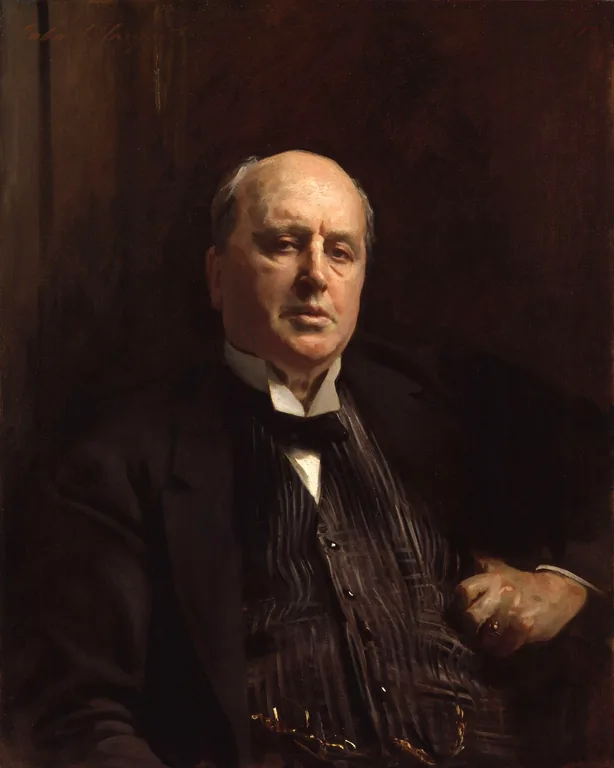
James, Henry portrait

Henry James

Henry James (1843-1916) was an American-British author known for his contributions to literary realism and psychological fiction. His works often explore themes of consciousness and the complexities of human relationships. James is particularly recognized for his nuanced character studies and intricate narratives. One of his most notable works, "Daisy Miller: A Study," examines the clash between American and European cultures through the lens of a young American woman's experiences in Europe. His extensive body of work includes novels, short stories, and critical essays, reflecting his keen observations of society and the human condition.

More Books by This Author