
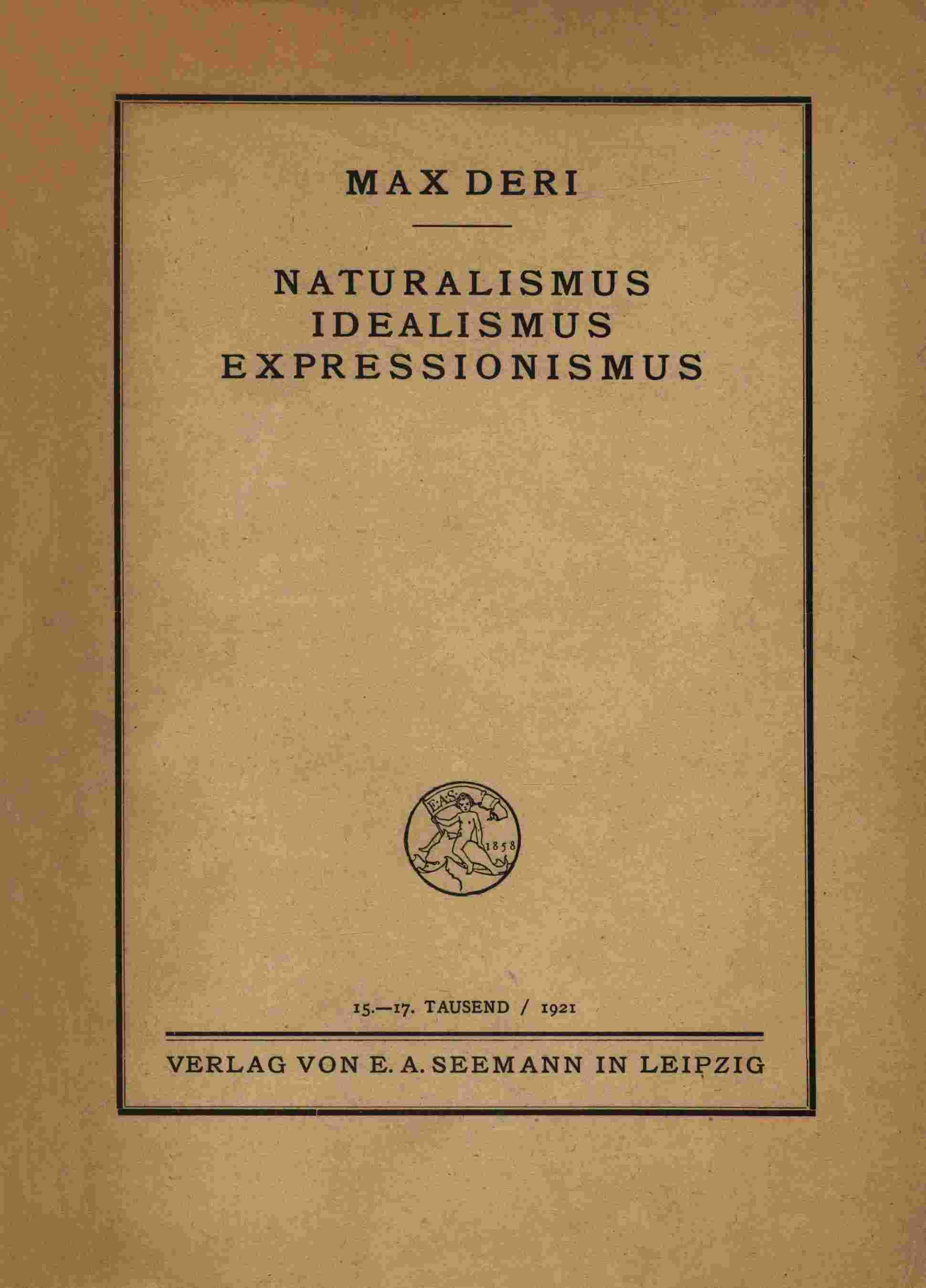
About This Book
The essay builds an empiricist framework for aesthetics by treating observation and theory as adaptive, nonmetaphysical processes and applying an economy principle to choose among competing explanations. It rejects the assumption that artistic creation and appreciation depend on special, innate faculties and instead seeks to derive aesthetic concepts from commonly shared perceptual facts. The author distinguishes a naturenear domain, which serves as a foundation, from a nature‑distant domain requiring a structured arrangement of three modes—naturalistic permutation, idealism, and expressionism—and offers a comparative classification, formal criteria, and schematic examples to clarify their relations and practical application.
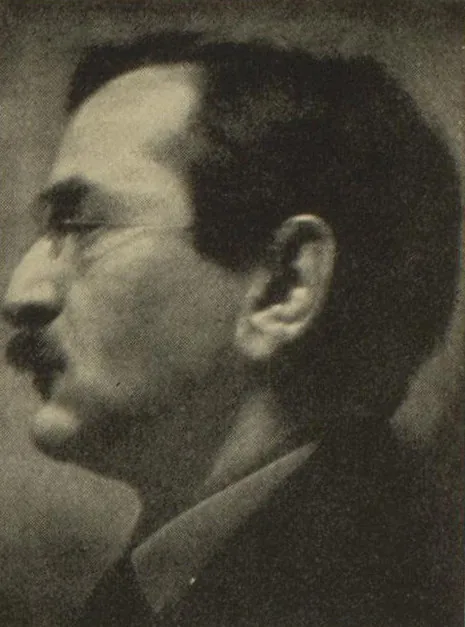
About the Author
You May Also Like
6 picks
 The Philosophy of Despair
by David Starr Jordan
The Philosophy of Despair
by David Starr Jordan
 Speech of John Hossack, Convicted of a Violation of the Fugitive Slave Law / Before Judge Drummond, Of The United States District Court, Chicago, Ill.
by John Hossack
Speech of John Hossack, Convicted of a Violation of the Fugitive Slave Law / Before Judge Drummond, Of The United States District Court, Chicago, Ill.
by John Hossack
 Christianity and Ethics: A Handbook of Christian Ethics
by Archibald B. D. Alexander
Christianity and Ethics: A Handbook of Christian Ethics
by Archibald B. D. Alexander
 Lois psychologiques de l'évolution des peuples
by Gustave Le Bon
Lois psychologiques de l'évolution des peuples
by Gustave Le Bon
 History of Ancient Art
by Franz von Reber
History of Ancient Art
by Franz von Reber
 Michelangelo / A Collection of Fifteen Pictures and a Portrait of the Master, with Introduction and Interpretation
by Estelle M. Hurll
Michelangelo / A Collection of Fifteen Pictures and a Portrait of the Master, with Introduction and Interpretation
by Estelle M. Hurll