

Mugby Junction
Set in a desolate railway junction during a stormy night, a solitary traveler finds himself at Mugby Junction, a place filled with shadows and the echoes of lost lives. As he navigates the dreary platform, he encounters a porter named Lamps, who offers cryptic insights into the workings of the station and its peculiar schedule. The narrative explores themes of isolation, the passage of time, and the intersection of human experiences with the relentless march of industry. Through vivid descriptions, the work paints a haunting picture of the junction as a metaphor for life's uncertainties and the transient nature of existence.
About This Book
Set in a desolate railway junction during a stormy night, a solitary traveler finds himself at Mugby Junction, a place filled with shadows and the echoes of lost lives. As he navigates the dreary platform, he encounters a porter named Lamps, who offers cryptic insights into the workings of the station and its peculiar schedule. The narrative explores themes of isolation, the passage of time, and the intersection of human experiences with the relentless march of industry. Through vivid descriptions, the work paints a haunting picture of the junction as a metaphor for life's uncertainties and the transient nature of existence.
About the Author

More Books by This Author

You May Also Like
 "A Cathcart or a Riggs?"
by Roy Norton
"A Cathcart or a Riggs?"
by Roy Norton
 "Browne's Folly" / (From: "The Doliver Romance and Other Pieces: Tales and Sketches")
by Nathaniel Hawthorne
"Browne's Folly" / (From: "The Doliver Romance and Other Pieces: Tales and Sketches")
by Nathaniel Hawthorne
 "Martin of Nitendi"; and The River of Dreams / 1901
by Louis Becke
"Martin of Nitendi"; and The River of Dreams / 1901
by Louis Becke
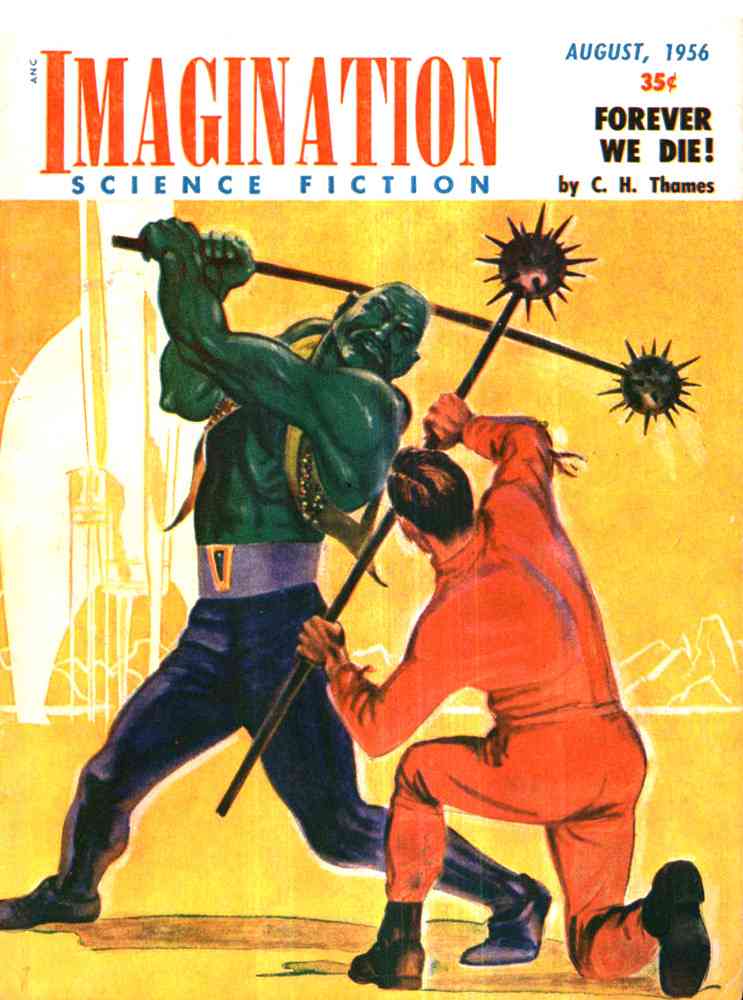 "Next Stop, Nowhere!"
by Dick Purcell
"Next Stop, Nowhere!"
by Dick Purcell
 "Old Mary" / 1901
by Louis Becke
"Old Mary" / 1901
by Louis Becke
 "Ole, sielun', iloinen!"
by Tiitus
"Ole, sielun', iloinen!"
by Tiitus