
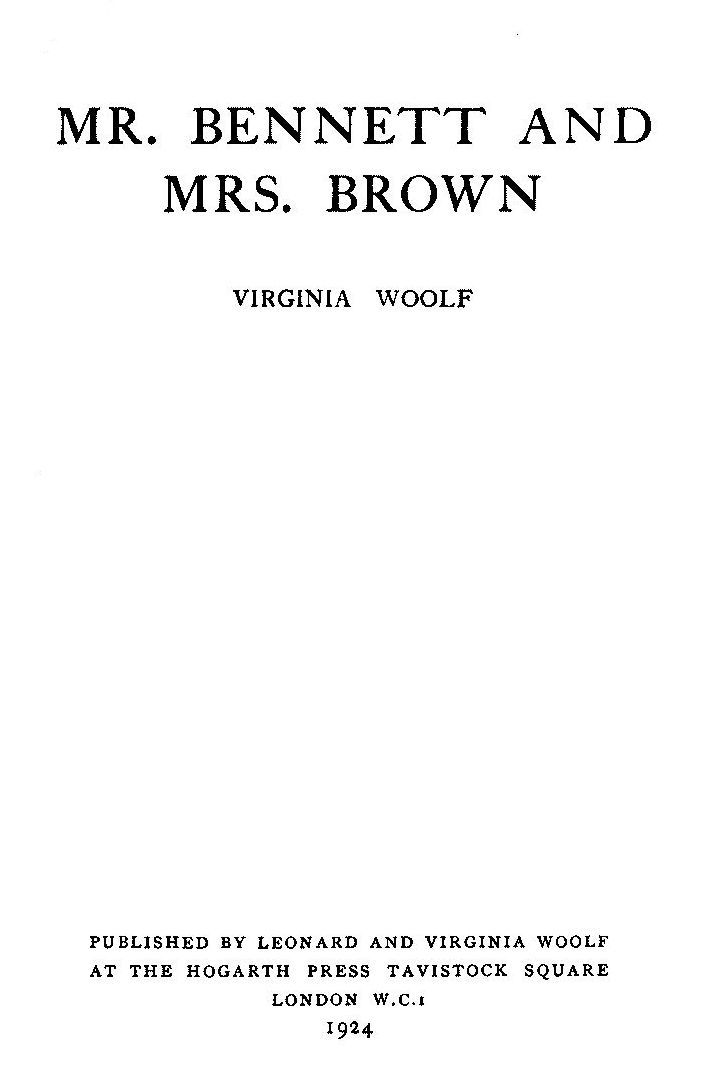
About This Book
This essay challenges the notion that the essence of fiction lies chiefly in inventing convincing, external characters, arguing that shifts in social relations and perception around 1910 demand different narrative methods. The speaker critiques critics who prioritize character-creation above other elements, examines how changing human interactions alter what realism in fiction should mean, and recounts a close observational anecdote on a train to illustrate how fleeting impressions disclose complexity. The essay urges novelists to attend to consciousness, nuance, and the subtleties of inner life rather than rely on fixed, representative figures.
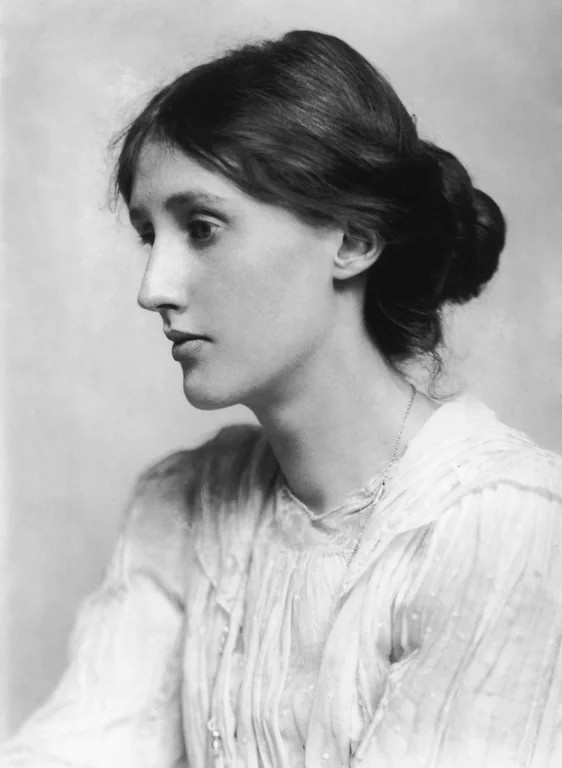
About the Author
More Books by This Author
6 picks




You May Also Like
6 picks
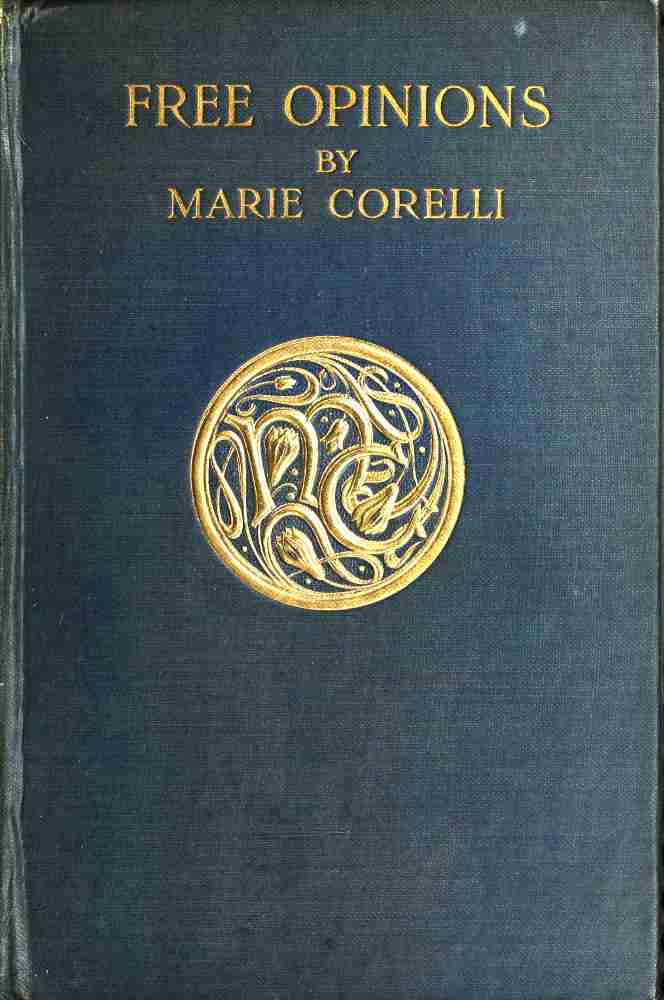 Free Opinions, Freely Expressed on Certain Phases of Modern Social Life and Conduct
by Marie Corelli
Free Opinions, Freely Expressed on Certain Phases of Modern Social Life and Conduct
by Marie Corelli
 Studies in Literature
by John Morley
Studies in Literature
by John Morley
 Journeys to Bagdad
by Charles S. Brooks
Journeys to Bagdad
by Charles S. Brooks
 Shadowings
by Lafcadio Hearn
Shadowings
by Lafcadio Hearn
 Bunyan Characters (2nd Series)
by Alexander Whyte
Bunyan Characters (2nd Series)
by Alexander Whyte
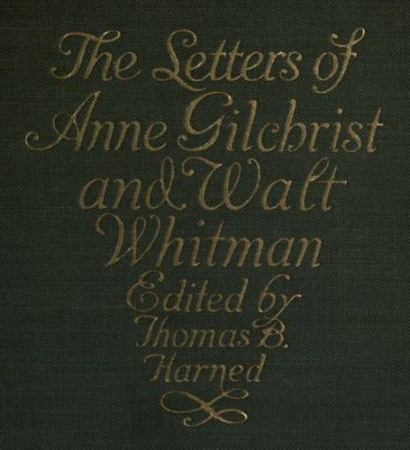 The Letters of Anne Gilchrist and Walt Whitman
by Anne Gilchrist
The Letters of Anne Gilchrist and Walt Whitman
by Anne Gilchrist