
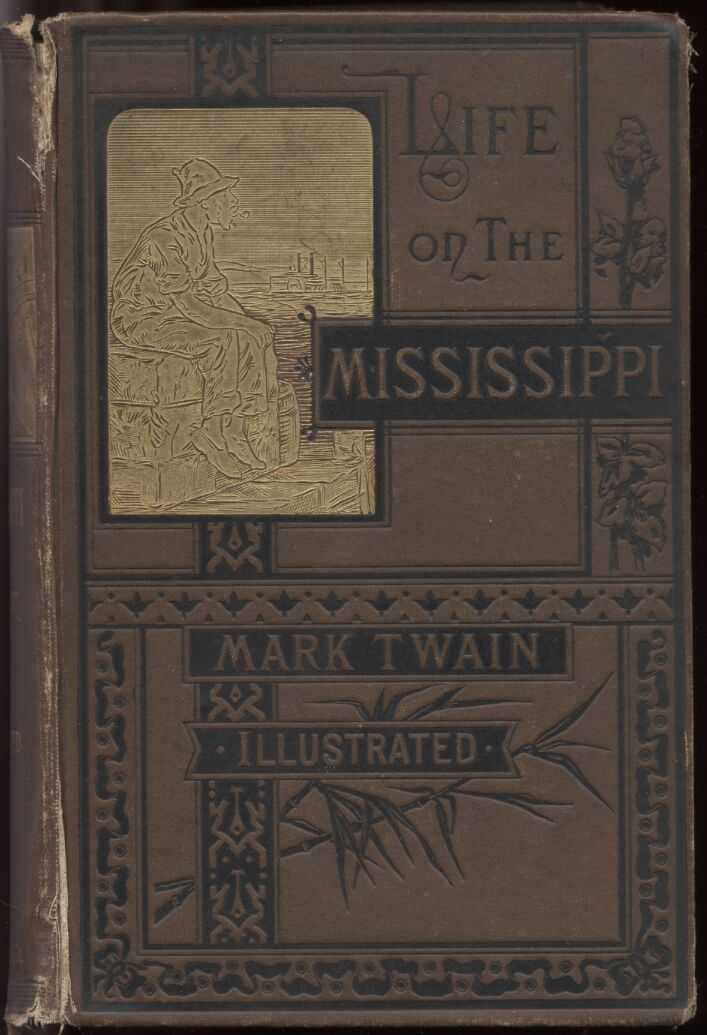
Life on the Mississippi, Part 8.
A first-person traveler recounts episodic steamboat experiences and river journeys, blending humorous character sketches—including gamblers and an ebullient cattleman—with incidents such as a boiler explosion and reminiscences of wartime action. Interspersed vignettes expose commercial tricks like cotton-seed oil marketed as olive oil and explore social peculiarities of river towns: plantations, fragrant magnolias, and the theatrical imitation of medieval castles. The writing moves between lively anecdote, technical notes on navigation, and satirical observations of domestic taste and regional institutions, producing a portrait of commerce, culture, and contradiction along the river corridor.
About This Book
A first-person traveler recounts episodic steamboat experiences and river journeys, blending humorous character sketches—including gamblers and an ebullient cattleman—with incidents such as a boiler explosion and reminiscences of wartime action. Interspersed vignettes expose commercial tricks like cotton-seed oil marketed as olive oil and explore social peculiarities of river towns: plantations, fragrant magnolias, and the theatrical imitation of medieval castles. The writing moves between lively anecdote, technical notes on navigation, and satirical observations of domestic taste and regional institutions, producing a portrait of commerce, culture, and contradiction along the river corridor.
About the Author
More Books by This Author
 1601: Conversation as it was by the Social Fireside in the Time of the Tudors
by Mark Twain
1601: Conversation as it was by the Social Fireside in the Time of the Tudors
by Mark Twain
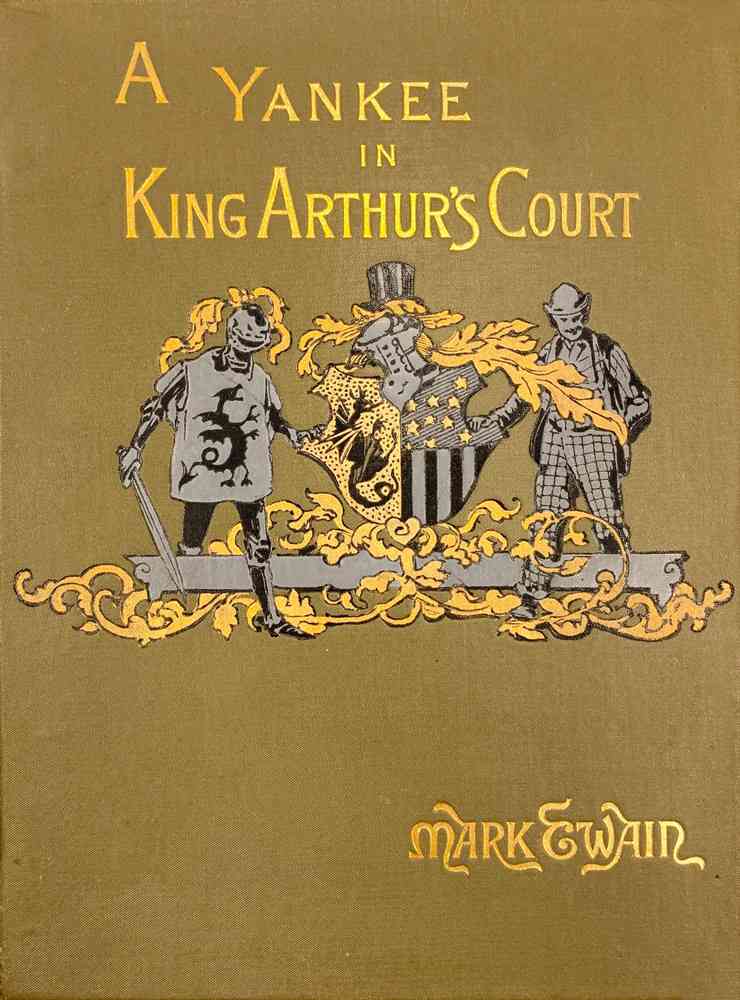 A Connecticut Yankee in King Arthur's Court
by Mark Twain
A Connecticut Yankee in King Arthur's Court
by Mark Twain
 A Connecticut Yankee in King Arthur's Court, Part 1.
by Mark Twain
A Connecticut Yankee in King Arthur's Court, Part 1.
by Mark Twain
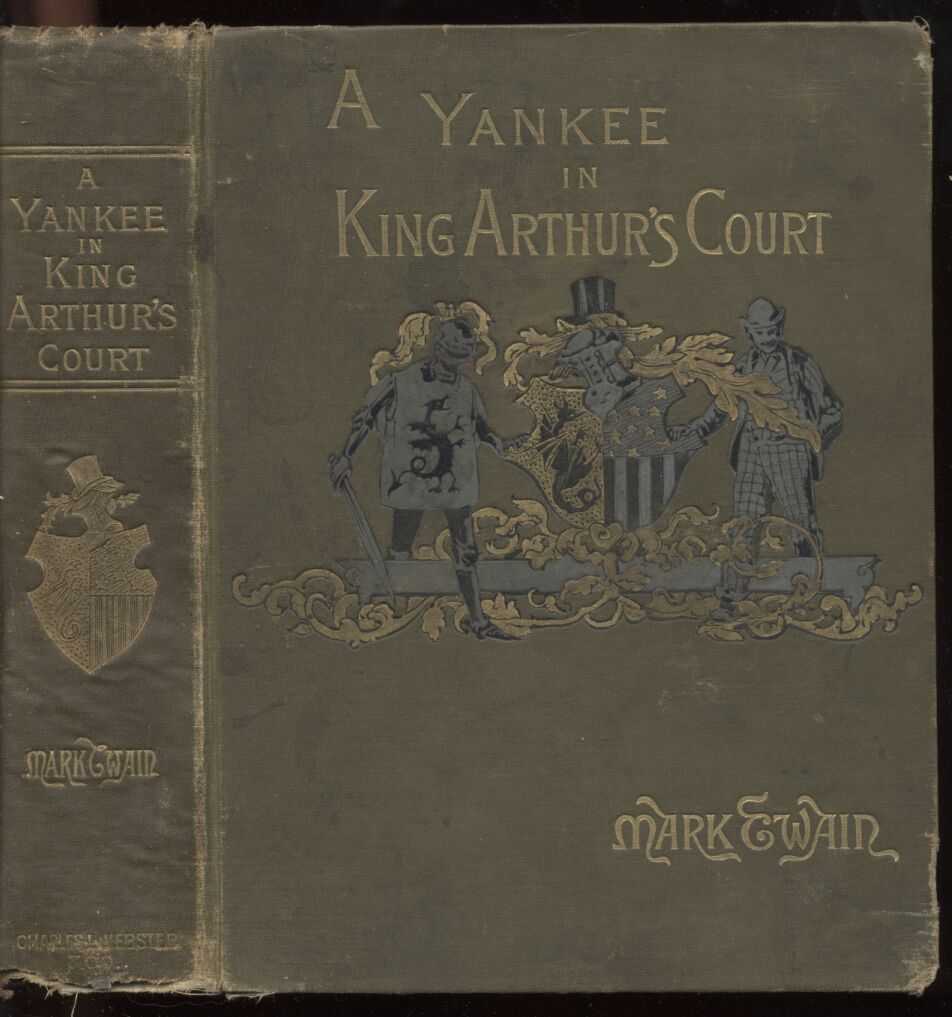 A Connecticut Yankee in King Arthur's Court, Part 2.
by Mark Twain
A Connecticut Yankee in King Arthur's Court, Part 2.
by Mark Twain
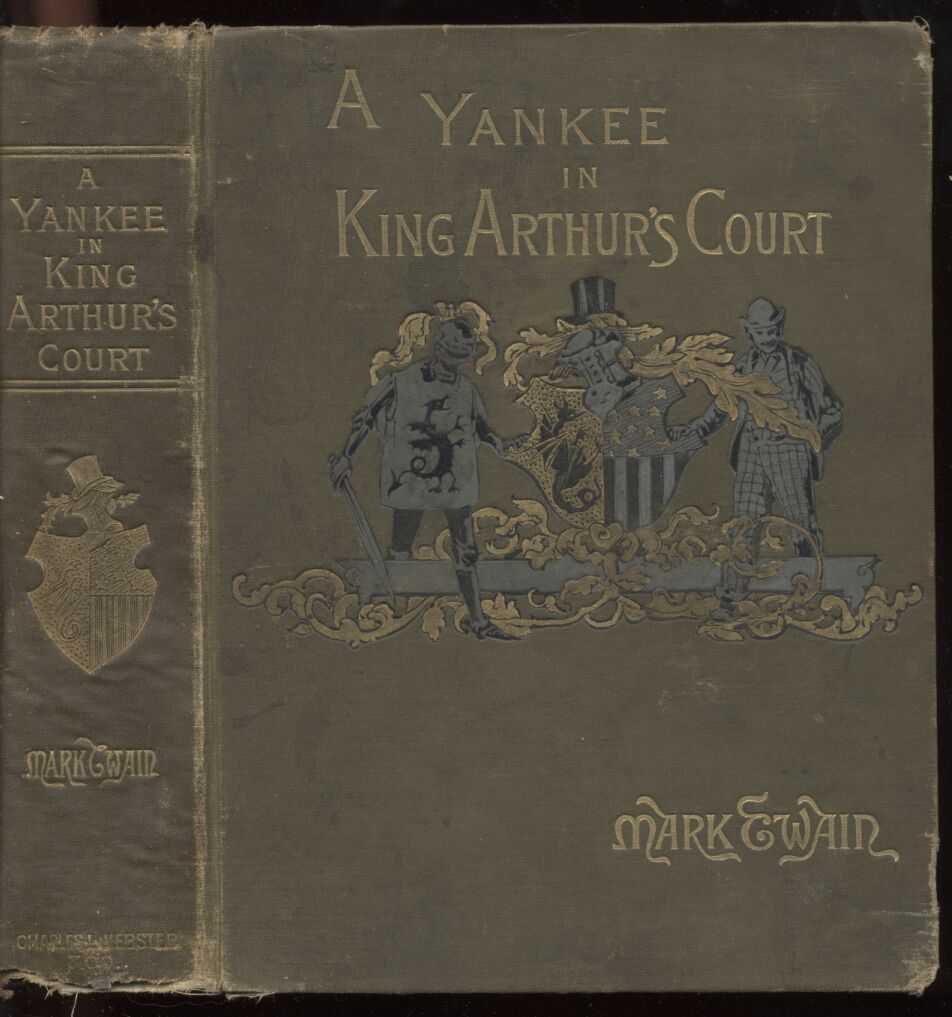 A Connecticut Yankee in King Arthur's Court, Part 3.
by Mark Twain
A Connecticut Yankee in King Arthur's Court, Part 3.
by Mark Twain
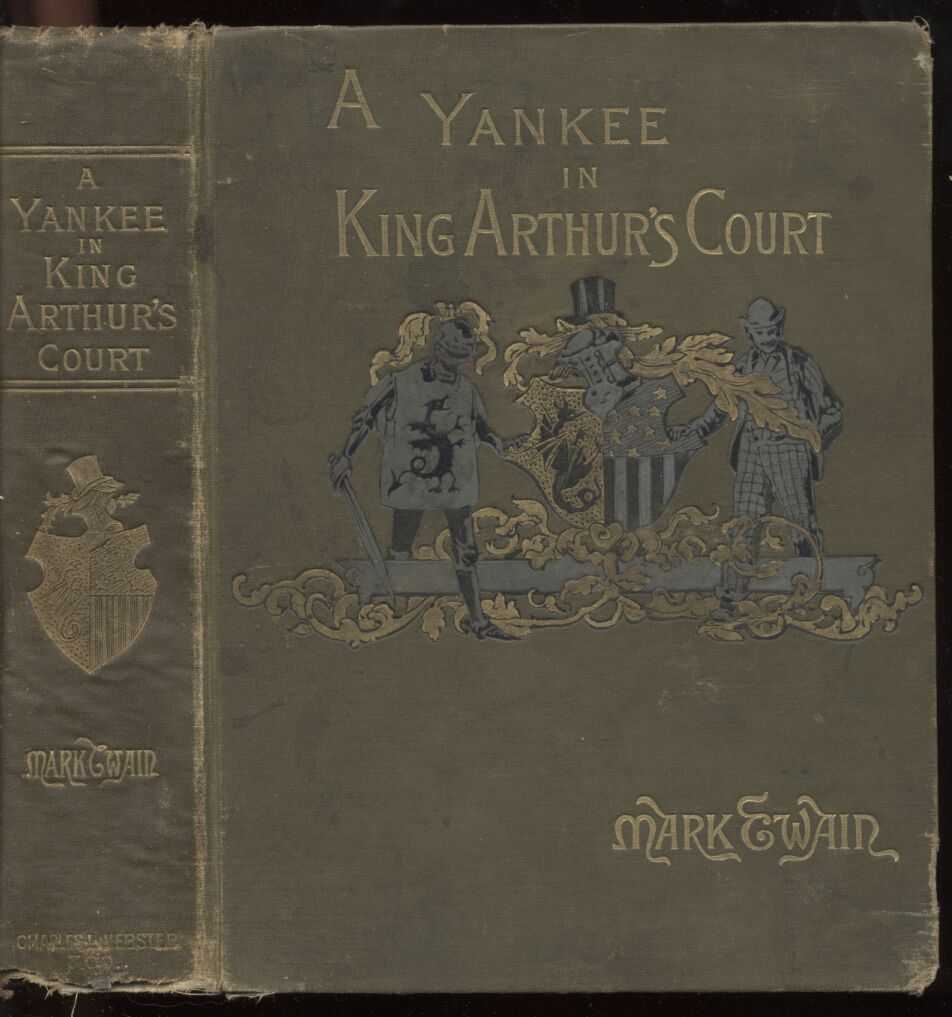 A Connecticut Yankee in King Arthur's Court, Part 4.
by Mark Twain
A Connecticut Yankee in King Arthur's Court, Part 4.
by Mark Twain
You May Also Like
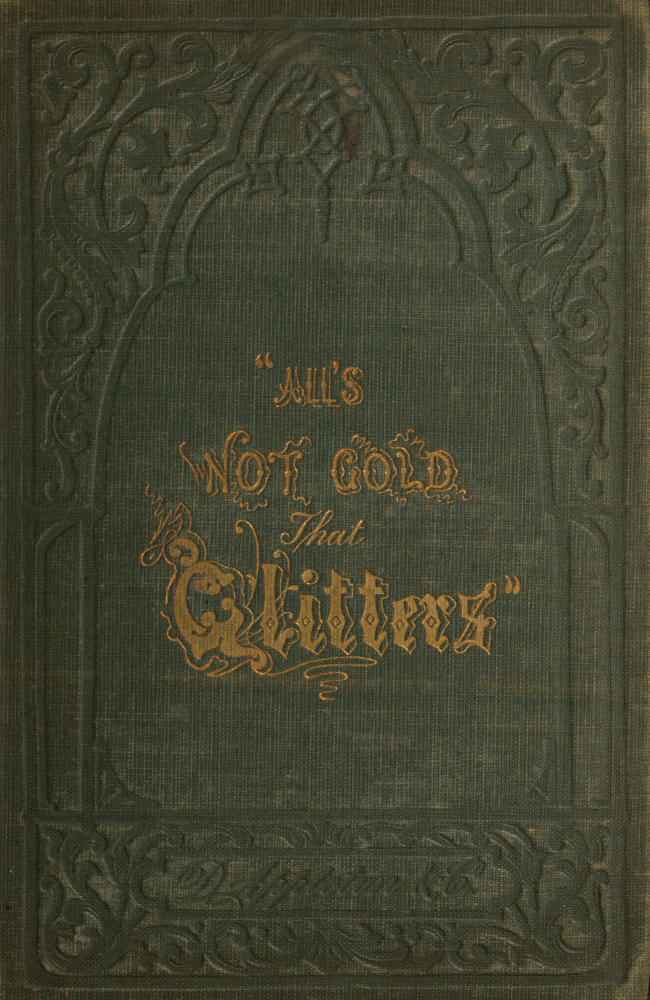 "All's not Gold that Glitters;" or, The Young Californian
by Alice B. Haven
"All's not Gold that Glitters;" or, The Young Californian
by Alice B. Haven
 "Bring Me His Ears"
by Clarence Edward Mulford
"Bring Me His Ears"
by Clarence Edward Mulford
 "Browne's Folly" / (From: "The Doliver Romance and Other Pieces: Tales and Sketches")
by Nathaniel Hawthorne
"Browne's Folly" / (From: "The Doliver Romance and Other Pieces: Tales and Sketches")
by Nathaniel Hawthorne
 "Forward, March": A Tale of the Spanish-American War
by Kirk Munroe
"Forward, March": A Tale of the Spanish-American War
by Kirk Munroe
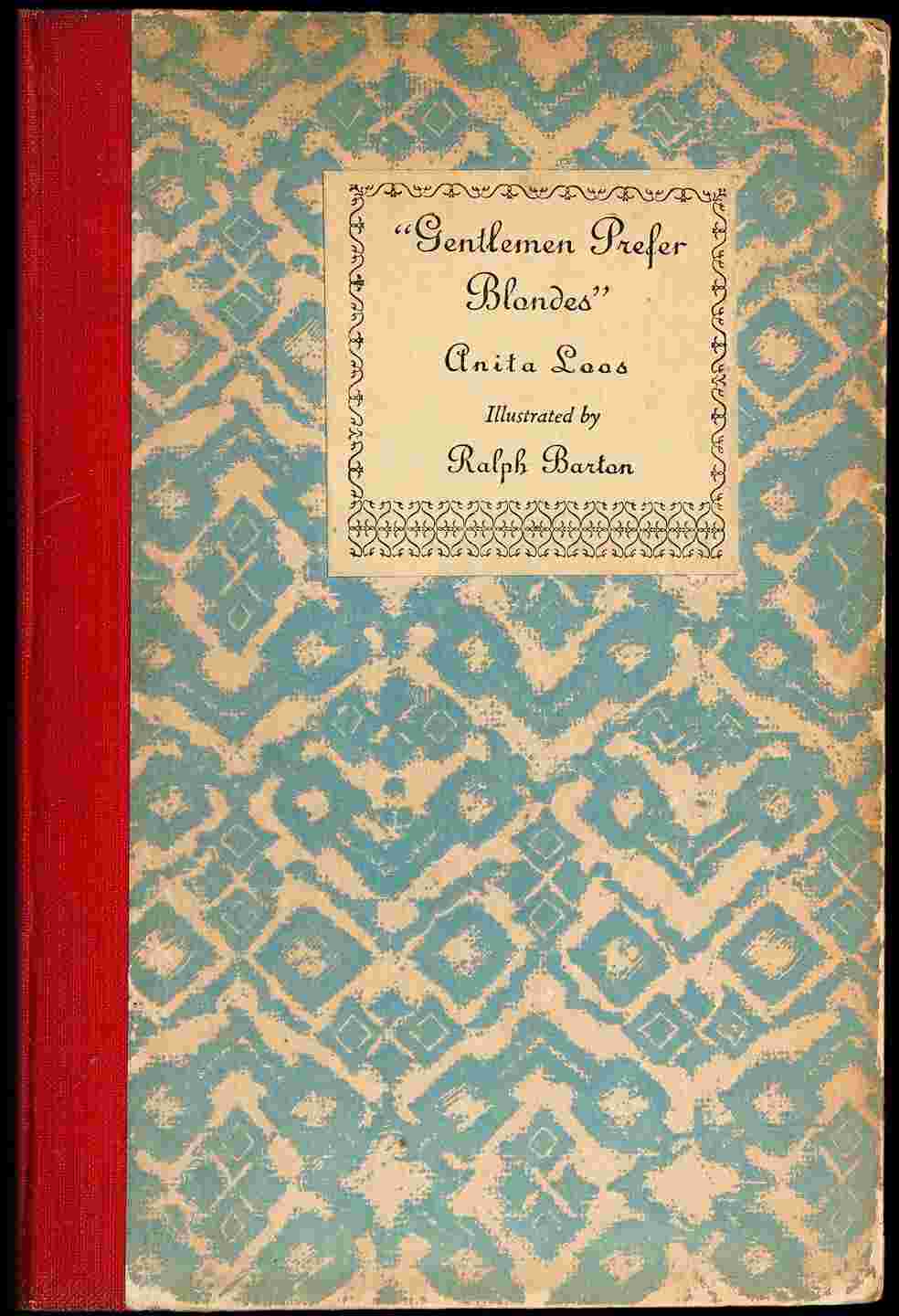 "Gentlemen prefer blondes"
by Anita Loos
"Gentlemen prefer blondes"
by Anita Loos
 "George Washington's" Last Duel / 1891
by Thomas Nelson Page
"George Washington's" Last Duel / 1891
by Thomas Nelson Page