
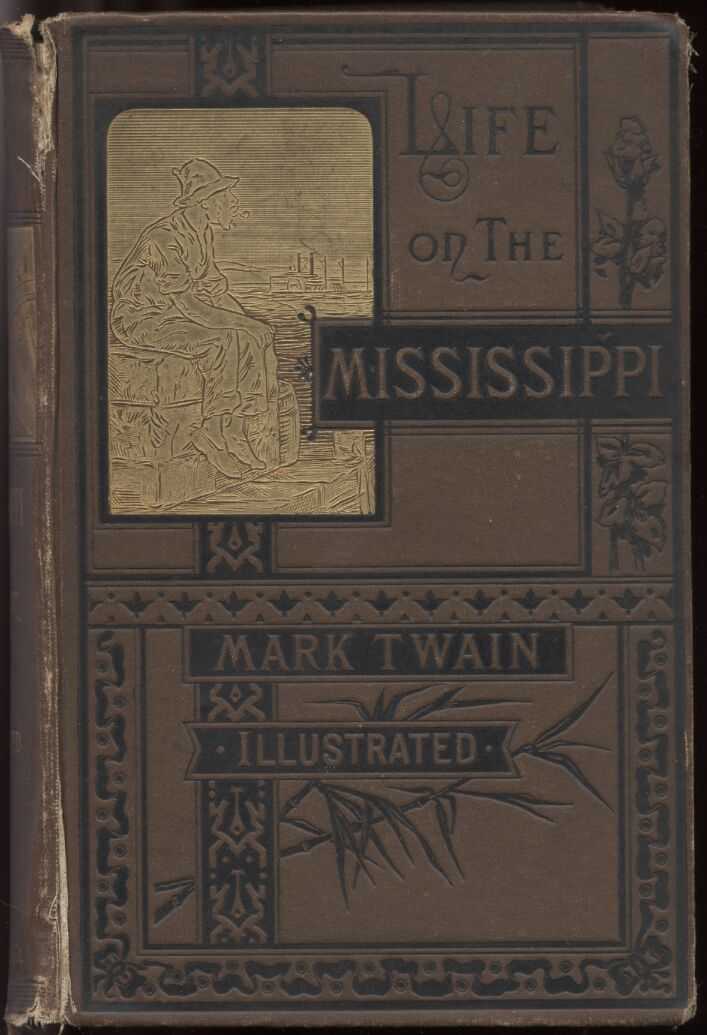
Life on the Mississippi, Part 7.
The author recounts river voyages, mixing humorous anecdotes and practical observation about steamboat life, vanished river towns, and sudden geographic change that can swallow whole settlements. Episodes include personal errands and narrow escapes, local characters and grotesque or comic incidents, and political-legal oddities arising from shifting channels that leave islands outside state control. He also examines economic arrangements along the river, detailing plantation finances, shipping, and schemes to reorganize land and credit, while reflecting on technological change, social customs, and the melancholic transformation of landscape and communities.
About This Book
The author recounts river voyages, mixing humorous anecdotes and practical observation about steamboat life, vanished river towns, and sudden geographic change that can swallow whole settlements. Episodes include personal errands and narrow escapes, local characters and grotesque or comic incidents, and political-legal oddities arising from shifting channels that leave islands outside state control. He also examines economic arrangements along the river, detailing plantation finances, shipping, and schemes to reorganize land and credit, while reflecting on technological change, social customs, and the melancholic transformation of landscape and communities.
About the Author
More Books by This Author
 1601: Conversation as it was by the Social Fireside in the Time of the Tudors
by Mark Twain
1601: Conversation as it was by the Social Fireside in the Time of the Tudors
by Mark Twain
 A Connecticut Yankee in King Arthur's Court
by Mark Twain
A Connecticut Yankee in King Arthur's Court
by Mark Twain
 A Connecticut Yankee in King Arthur's Court, Part 1.
by Mark Twain
A Connecticut Yankee in King Arthur's Court, Part 1.
by Mark Twain
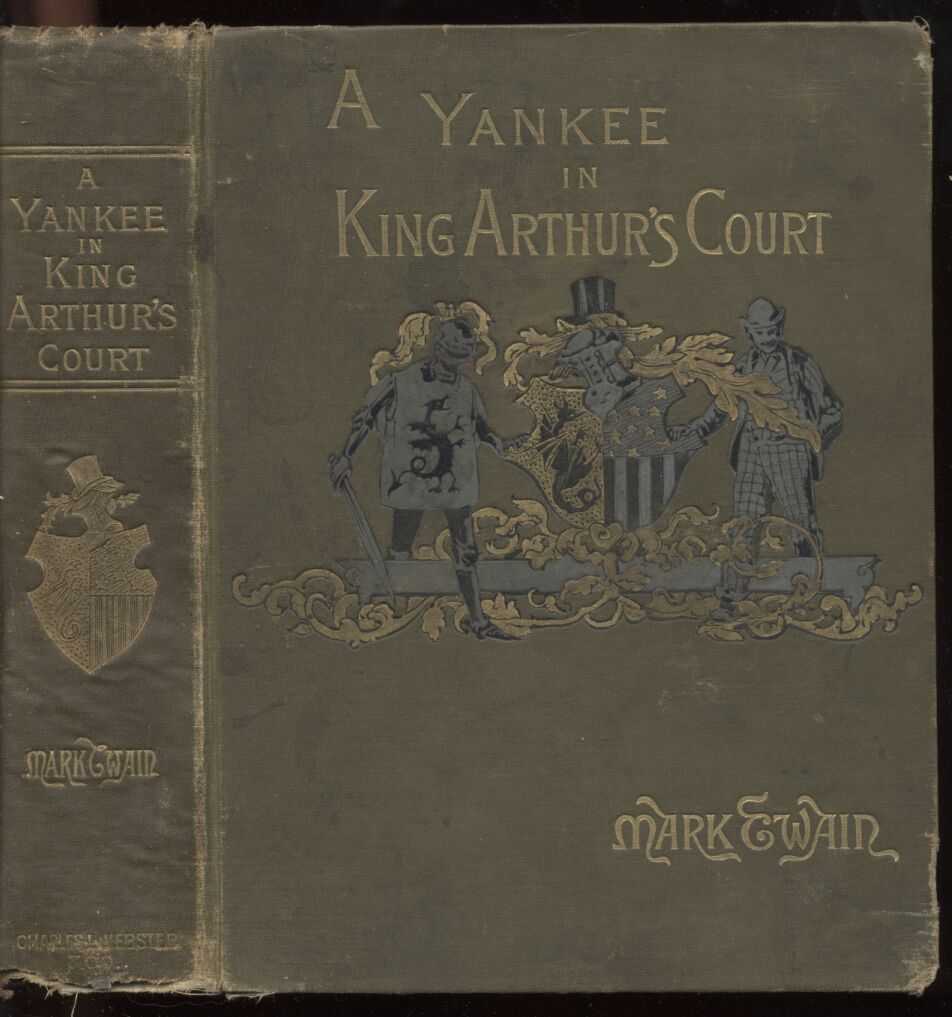 A Connecticut Yankee in King Arthur's Court, Part 2.
by Mark Twain
A Connecticut Yankee in King Arthur's Court, Part 2.
by Mark Twain
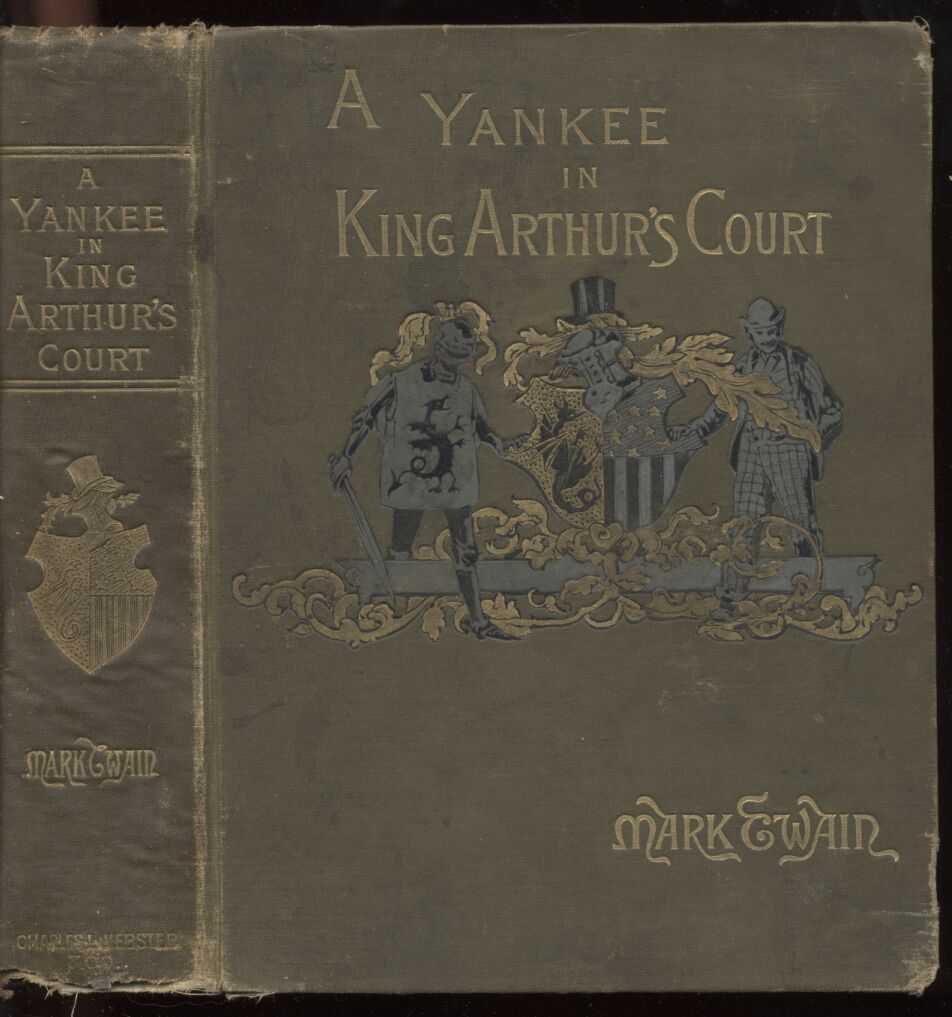 A Connecticut Yankee in King Arthur's Court, Part 3.
by Mark Twain
A Connecticut Yankee in King Arthur's Court, Part 3.
by Mark Twain
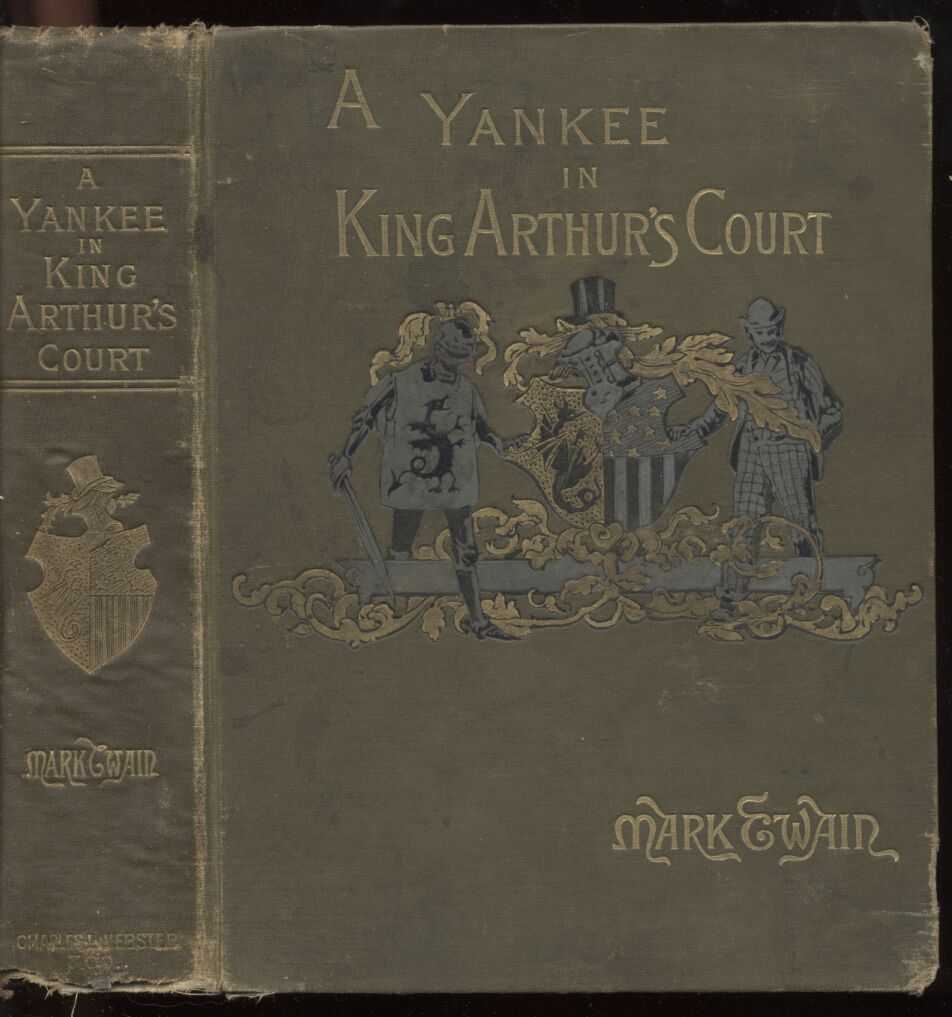 A Connecticut Yankee in King Arthur's Court, Part 4.
by Mark Twain
A Connecticut Yankee in King Arthur's Court, Part 4.
by Mark Twain
You May Also Like
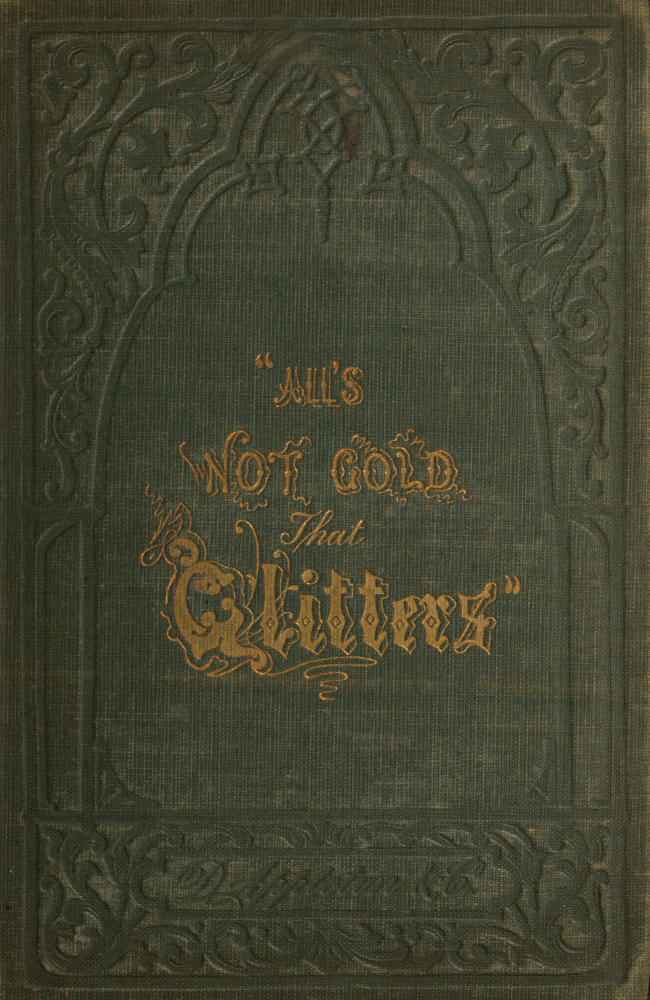 "All's not Gold that Glitters;" or, The Young Californian
by Alice B. Haven
"All's not Gold that Glitters;" or, The Young Californian
by Alice B. Haven
 "Bring Me His Ears"
by Clarence Edward Mulford
"Bring Me His Ears"
by Clarence Edward Mulford
 "Browne's Folly" / (From: "The Doliver Romance and Other Pieces: Tales and Sketches")
by Nathaniel Hawthorne
"Browne's Folly" / (From: "The Doliver Romance and Other Pieces: Tales and Sketches")
by Nathaniel Hawthorne
 "Forward, March": A Tale of the Spanish-American War
by Kirk Munroe
"Forward, March": A Tale of the Spanish-American War
by Kirk Munroe
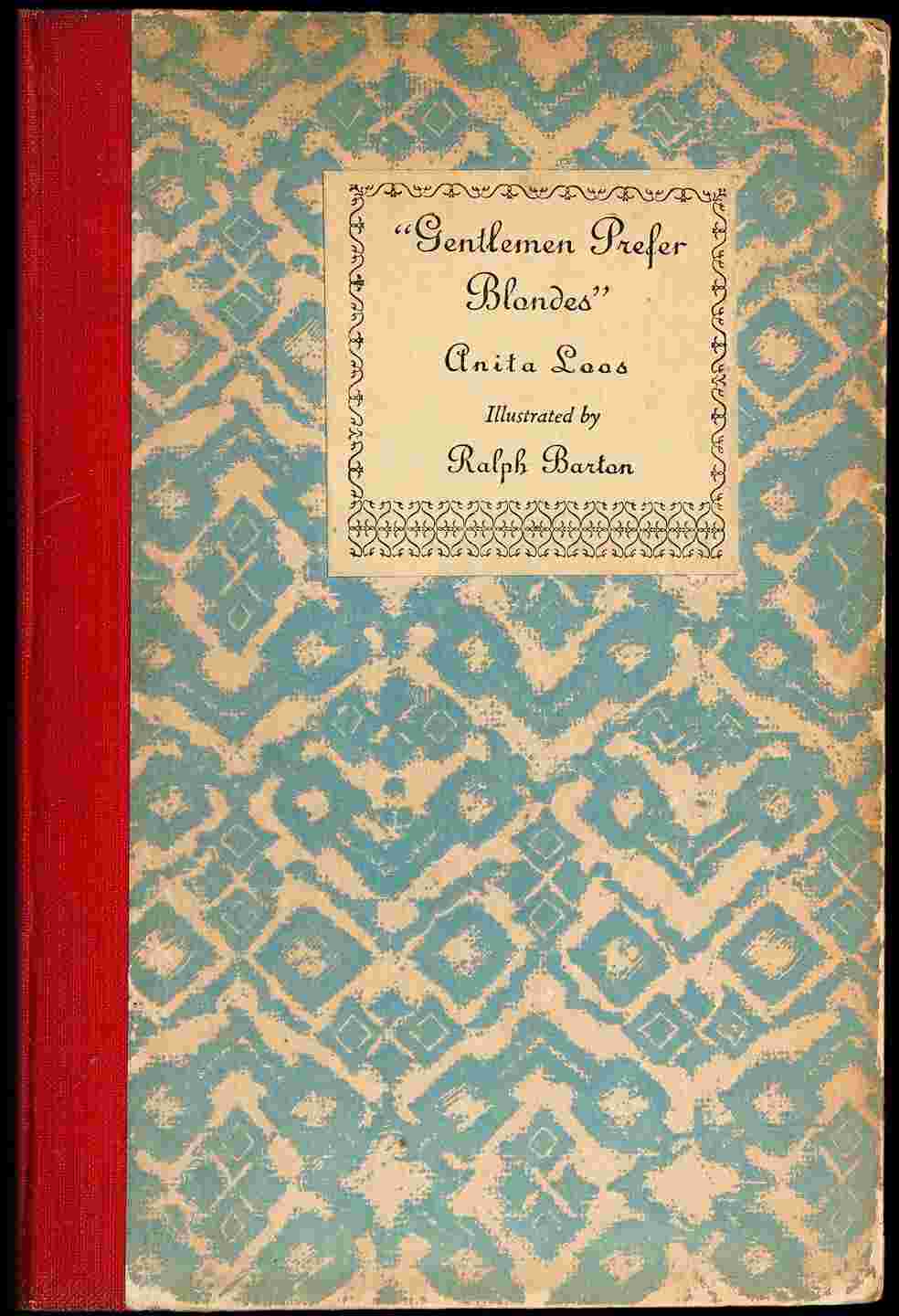 "Gentlemen prefer blondes"
by Anita Loos
"Gentlemen prefer blondes"
by Anita Loos
 "George Washington's" Last Duel / 1891
by Thomas Nelson Page
"George Washington's" Last Duel / 1891
by Thomas Nelson Page